
How to Reduce Your Electricity Bill in Dubai: Simple Tips
Looking for ways to reduce your electricity bill in Dubai? Our 2026 guide offers simple, effective tips on AC use, appliance management, and more to lower your.
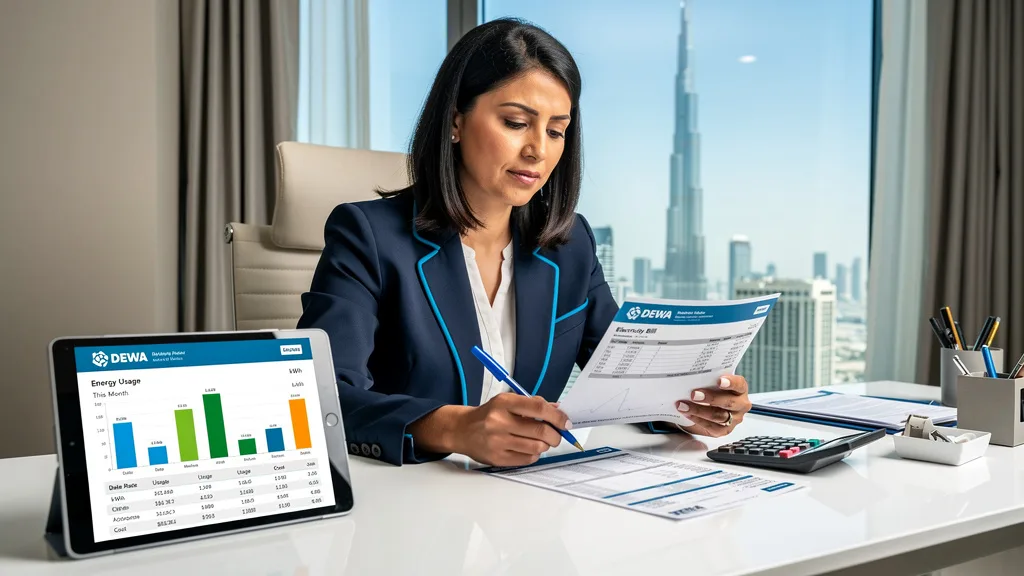
Are you consistently surprised by the high numbers on your DEWA bill, especially during Dubai's peak summer months? You're not alone. Many residents find managing their electricity consumption a challenge, but lowering your costs is more achievable than you might think. With a few strategic adjustments to your habits and home maintenance routines, you can significantly cut down on your energy usage and save money.
To effectively reduce your electricity bill in Dubai, focus on three key areas: optimizing your air conditioning, managing household appliance usage, and adopting simple energy conservation habits. Setting your AC to 24°C, cleaning its filters monthly, unplugging electronics when not in use, and switching to LED lighting are powerful first steps. These proven strategies will help lower your DEWA bill and reduce your carbon footprint without sacrificing comfort.
Understanding Your DEWA Bill and Energy Usage
Before you can effectively lower your electricity costs, it's essential to understand how your consumption is measured and billed. Your monthly Dubai Electricity and Water Authority (DEWA) bill contains a wealth of information that can guide your energy-saving efforts. Taking a few minutes to decipher it can reveal patterns in your usage and highlight the biggest opportunities for savings.

By familiarizing yourself with the different components of the bill, you can track your progress month over month. Look for consumption graphs and comparisons to previous periods. This data provides direct feedback on how the changes you implement are impacting your bottom line, empowering you to make even smarter energy choices for your home.
How to Read Your Monthly Bill
Your DEWA bill is broken down into several sections, each providing specific details about your consumption. You'll find your account information, meter readings, and a graphical representation of your electricity and water usage over the past year. The most critical part is the breakdown of charges, which shows how your final amount is calculated based on consumption tiers.
Pay close attention to the 'Electricity Details' section. Here, you'll see your consumption in kilowatt-hours (kWh) and how it's divided into different tariff slabs. Understanding these slabs is key, as the price per kWh increases as your consumption moves into higher tiers. The bill also includes other charges like fuel surcharges, VAT, and municipality fees.
| Component | Description | How It Affects Your Bill |
|---|---|---|
| Consumption (kWh) | The total amount of electricity you used in a month, measured in kilowatt-hours. | This is the primary driver of your bill. Reducing kWh consumption directly lowers your costs. |
| Slab Tariff | A tiered pricing structure where the cost per kWh increases as your consumption crosses certain thresholds. | High consumption pushes you into more expensive slabs, increasing your bill exponentially. |
| Fuel Surcharge | A variable charge added per kWh based on the global cost of fuel used for power generation. | This component fluctuates monthly and is outside your direct control, but is tied to your total consumption. |
| VAT (5%) | Value Added Tax applied to the total of your electricity and water charges. | Lowering your base consumption also reduces the total VAT you pay. |
Key Factors: Slab Tariffs and Fuel Surcharges
The DEWA slab tariff system is designed to encourage energy conservation. For residential customers, electricity is billed at progressively higher rates as consumption increases. For example, the first 2,000 kWh you use in a month is billed at one rate, the next 2,000 kWh at a higher rate, and so on. The goal is to keep your usage within the lower, more affordable slabs to manage costs effectively.
The fuel surcharge is another significant factor. This charge is adjusted monthly based on the cost of fuel required to generate electricity and is applied to every kWh you consume. While you cannot control the surcharge rate itself, you can control the number of kWh it's applied to. Therefore, every kilowatt-hour you save not only avoids the base tariff but also the associated fuel surcharge, compounding your savings.
Optimize Your Air Conditioning for Maximum Savings
In Dubai's climate, air conditioning is often the largest single contributor to a household's electricity bill, sometimes accounting for up to 70% of total consumption during the summer. Therefore, optimizing your AC usage is the most impactful way to see a significant reduction in your monthly DEWA charges. Simple adjustments to your thermostat and regular maintenance can yield substantial savings without compromising your comfort.
Implementing a smart AC strategy involves more than just turning it off when you leave a room. It's about creating an efficient cooling environment. By combining thermostat management, proper maintenance, and complementary tools like ceiling fans, you can make your AC system work smarter, not harder, to keep your home cool and your bills manageable.
Set Your Thermostat to an Optimal Temperature
One of the easiest and most effective ways to save on cooling costs is to set your thermostat to an optimal temperature. DEWA recommends setting your AC to 24°C, which is considered the most energy-efficient temperature for balancing comfort and consumption. For every degree you raise your thermostat above this, you can save up to 6% on your cooling costs.
Avoid the temptation to set the thermostat to a very low temperature when you first turn it on, as this does not cool the room any faster but causes the system to run at maximum power for longer. Instead, maintain a consistent temperature. Using a programmable or smart thermostat can also help automate this process, adjusting the temperature when you're away from home and returning it to a comfortable level just before you arrive.
Clean and Maintain Your AC Filters Regularly
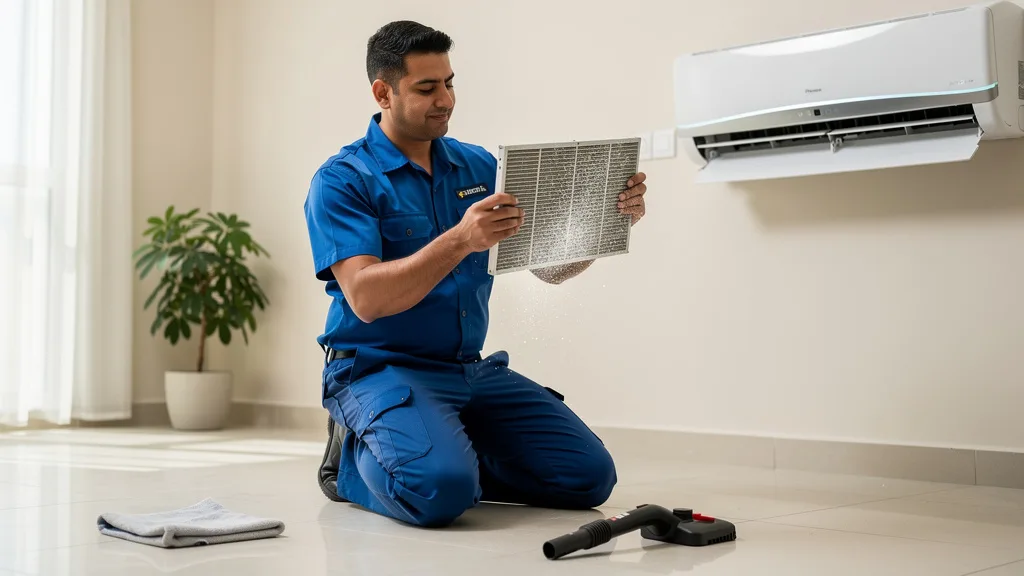
A clean AC filter is vital for the efficient operation of your cooling system. A dirty or clogged filter obstructs airflow, forcing the unit to work harder and consume more electricity to cool your home. This not only increases your energy bill but also puts unnecessary strain on the AC components, potentially leading to costly repairs down the line.
You should check and clean or replace your AC filters at least once a month, especially during periods of heavy use. This simple task can improve your system's efficiency by 5% to 15%. For a more thorough check-up, it's wise to understand how often you should service your AC in Dubai's climate to ensure it runs at peak performance all year round.
Use Ceiling Fans to Enhance Air Circulation
Ceiling fans are a fantastic, low-cost tool to supplement your air conditioning. A fan creates a wind-chill effect that can make a room feel several degrees cooler than it actually is. This allows you to raise your AC thermostat by a few degrees without any noticeable difference in comfort, leading to direct energy savings.
Remember that fans cool people, not rooms, by circulating air. Therefore, it's most effective to use them only when you are in the room. Always turn off ceiling fans when you leave, as leaving them running in an empty room simply wastes electricity. Combining smart fan usage with an optimized thermostat setting is a powerful strategy for reducing your cooling expenses.
Manage Your Household Appliances Wisely
While air conditioning is the primary energy consumer, the cumulative usage of your various household appliances also significantly impacts your DEWA bill. From your television and laptop to your washing machine and dishwasher, every device contributes to your total consumption. Adopting mindful habits and making smart choices about your appliances can lead to noticeable savings.
The key is to tackle both active and passive energy consumption. This means using appliances efficiently when they are on and eliminating wasted energy when they are off. By implementing a few simple practices, you can reduce the energy footprint of your entire household and keep more money in your pocket each month.
Unplug Electronics to Eliminate Phantom Load
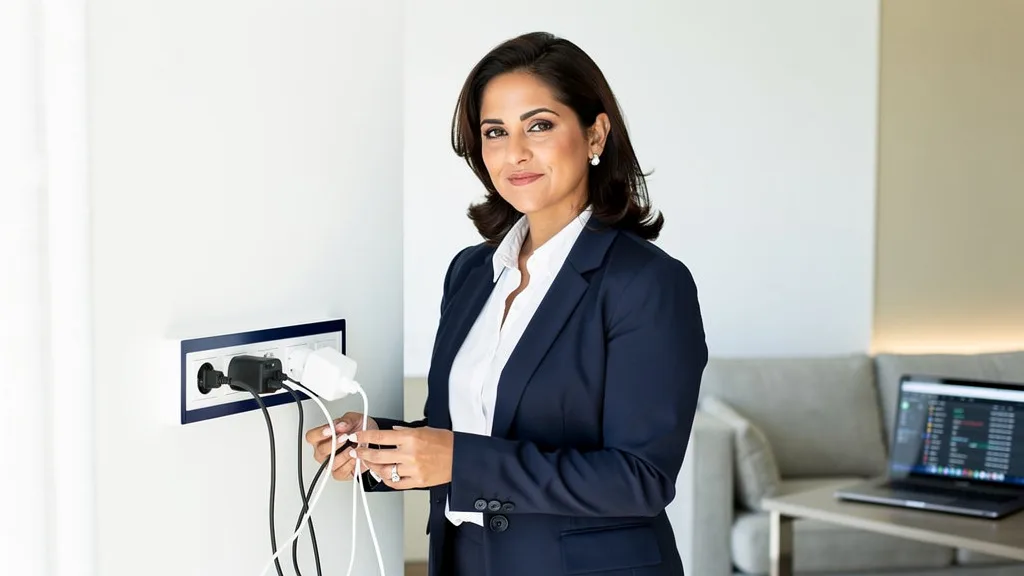
Many modern electronics continue to draw power even when they are turned off. This phenomenon, known as 'phantom load' or 'vampire power,' can account for up to 10% of your household's electricity usage. Devices like televisions, computers, game consoles, and chargers are common culprits, constantly sipping energy while in standby mode.
"Eliminating phantom load is the easiest win for any household. It requires zero investment and can save a surprising amount on your annual energy costs. Getting into the habit of unplugging devices or using a power strip with a switch is a simple change with real financial benefits."
To combat this, make it a habit to unplug devices when you're not using them for extended periods. A more convenient solution is to plug multiple electronics into a power strip and simply turn off the strip when they're not in use. This single action cuts the power supply to all connected devices, effectively eliminating phantom load.
Run Full Loads in Washing Machines and Dishwashers
Washing machines and dishwashers are major energy and water consumers in any home. A common mistake is to run them for small, partial loads. These appliances use roughly the same amount of energy and water for a half load as they do for a full one, making partial loads highly inefficient.
To maximize efficiency, always wait until you have a full load before running your washing machine or dishwasher. Additionally, when possible, use the eco-setting and wash clothes in cold water. Heating water is an energy-intensive process, and modern detergents are highly effective at cleaning in colder temperatures. These simple changes can significantly reduce the energy consumption of each cycle.
Upgrade to Appliances with High Energy-Star Ratings
When it's time to replace an old appliance, prioritize energy efficiency. In the UAE, appliances are rated by the Emirates Authority for Standardization and Metrology (ESMA) on a scale of one to five stars. The more stars an appliance has, the more energy-efficient it is.
While a five-star appliance might have a higher upfront cost, the long-term savings on your electricity bill can be substantial, often paying for the initial price difference over the appliance's lifespan. When shopping for new refrigerators, air conditioners, or washing machines, always look for the ESMA energy efficiency label and opt for the highest star rating within your budget. This is a smart investment in lowering your future energy costs.
Switch to Energy-Efficient Lighting Solutions
Lighting is another area where small changes can lead to significant energy savings. Traditional incandescent bulbs are notoriously inefficient, converting only about 10% of the energy they consume into light and wasting the rest as heat. By upgrading your home's lighting and leveraging natural light, you can brighten your space while trimming your electricity bill.
Modern lighting technology offers solutions that are not only more efficient but also longer-lasting and more versatile than their older counterparts. A strategic approach to lighting involves both upgrading your hardware and changing your habits to reduce reliance on artificial light altogether.
Replace Old Bulbs with Modern LEDs
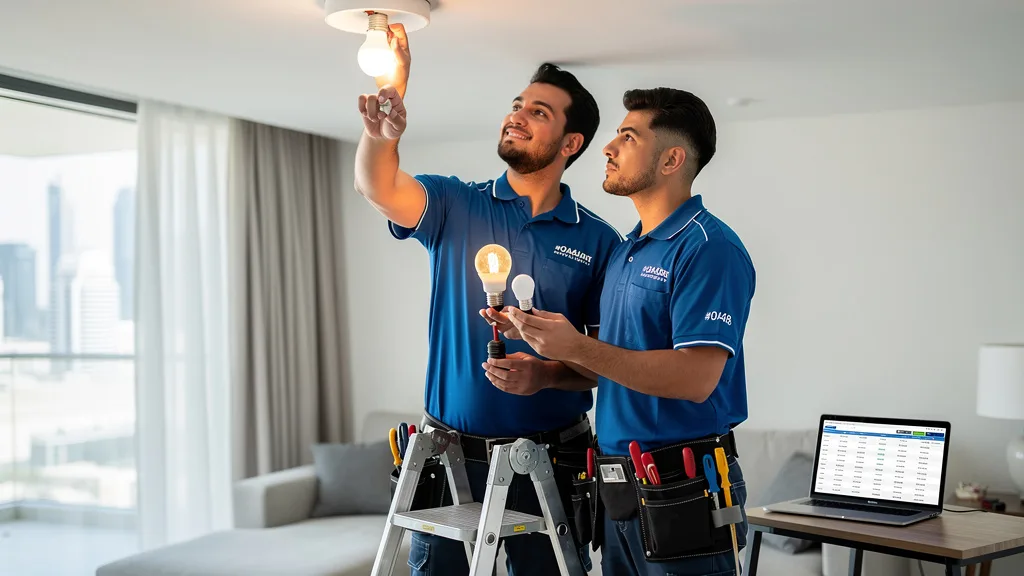
The single most effective lighting upgrade you can make is replacing old incandescent and halogen bulbs with Light Emitting Diodes (LEDs). LED bulbs use up to 80% less energy and can last up to 25 times longer than traditional bulbs. This means you'll save money on both your electricity bill and on the cost of replacement bulbs.
While the initial cost of LED bulbs is higher, their long lifespan and dramatic energy savings make them a financially sound investment. Start by replacing the bulbs in your most frequently used fixtures, such as those in the living room and kitchen, to maximize your immediate savings.
- Energy Use: A 10-watt LED bulb produces the same amount of light as a 60-watt incandescent bulb.
- Lifespan: LEDs can last for 25,000 hours or more, compared to just 1,000-2,000 hours for incandescent bulbs.
- Heat Emission: LEDs emit very little heat, which also helps reduce the load on your air conditioning system.
Maximize Natural Light During the Day
The cheapest and most natural source of light is the sun. Make it a habit to open your curtains and blinds during the day to let natural light illuminate your home. This simple act reduces the need to turn on artificial lights, directly cutting down on electricity consumption. For more ideas, you can find some of the cheapest tips to save electricity shared by other Dubai residents.
To manage heat gain, especially during the hot summer months, consider using sheer or light-colored curtains. These allow daylight to filter through while reflecting some of the sun's heat. Arranging your workspace or reading areas near windows can also help you take full advantage of daylight and minimize your reliance on lamps and overhead lights.
Adopt Simple Conservation Habits for Dubai Homes
Beyond technology and appliances, your daily habits play a crucial role in your overall energy consumption. Cultivating a mindset of conservation can lead to consistent savings that add up over time. These small, conscious efforts by everyone in the household contribute to a more energy-efficient home and a lower DEWA bill.
From the way you use water to how you maintain your home's envelope, simple behavioral changes can make a big difference. The best part is that these habits cost nothing to implement and can be started today, offering immediate returns on your efforts.
Reduce Hot Water Consumption
Heating water is a significant energy expense in any home. Your water heater works to maintain a set temperature, consuming electricity to do so. You can reduce this consumption by lowering the thermostat on your water heater to around 50°C, which is sufficiently hot for most household needs. This prevents the unit from working unnecessarily hard to maintain scalding temperatures.
Additionally, be mindful of your hot water usage. Take shorter showers, wash your hands with cold water when possible, and fix any dripping hot water taps immediately. A single leaking tap can waste a surprising amount of hot water and the energy used to heat it over time. If you suspect issues, learning about water heater replacement costs in Dubai can help you budget for a more efficient model.
Seal Air Leaks Around Windows and Doors
Air leaks around windows, doors, and utility entry points can undermine your cooling efforts. Small gaps and cracks allow conditioned cool air to escape and hot outdoor air to infiltrate your home. This forces your AC system to run longer and more frequently to maintain the desired temperature, driving up your electricity bill.
Inspect the seals around your windows and doors. If you can see daylight or feel a draft, it's a sign of an air leak. Use weatherstripping or caulk to seal these gaps. For the space under your doors, installing a door sweep is an inexpensive and effective way to block drafts. Properly sealing your home's envelope is a crucial step in maximizing cooling efficiency.
The Role of Professional Maintenance in Cutting Energy Costs
While individual habits and small adjustments are effective, professional maintenance is the cornerstone of a truly energy-efficient home. Your home's complex systems, particularly the HVAC (Heating, Ventilation, and Air Conditioning) unit, require expert attention to operate at peak performance. Investing in professional services can prevent energy waste and lead to significant long-term savings.
Certified technicians have the tools and expertise to identify and resolve issues that an average homeowner might miss. From deep cleaning AC coils to diagnosing hidden electrical inefficiencies, professional maintenance ensures your systems are not just running, but running optimally. There are even simple DEWA tools that could help you monitor usage, but professional insight is invaluable.
Why Annual HVAC Maintenance Is Crucial
Scheduling an annual maintenance service for your HVAC system is one of the best investments you can make for your home's energy efficiency. Over time, dust and debris accumulate on coils, electrical connections can loosen, and refrigerant levels can drop. These issues force the system to consume more power to produce the same amount of cooling.
During a professional service, a technician will clean the coils, check refrigerant levels, lubricate moving parts, and ensure all electrical components are functioning correctly. This comprehensive tune-up can restore your system to its factory-level efficiency, reducing its energy consumption and lowering your electricity bills. It also helps extend the lifespan of your unit and prevent unexpected breakdowns. You can explore a guide on AC maintenance costs in Dubai to understand the value of this service.
Consider a Professional Home Energy Audit
If you've implemented basic energy-saving tips but still have high bills, a professional home energy audit can provide a deeper analysis. A certified technician will conduct a thorough inspection of your home to identify specific sources of energy waste. This can include using tools like thermal imaging cameras to pinpoint air leaks or blower door tests to measure your home's airtightness.
The audit results in a detailed report with prioritized recommendations for improvement. These might range from adding insulation and sealing ductwork to upgrading windows or appliances. While there is a cost for the audit, the customized roadmap it provides can lead to substantial savings, making it a worthwhile investment for any homeowner serious about reducing their energy costs and carbon footprint.
Key Takeaways
Lowering your electricity bill in Dubai is achievable by focusing on smart habits and proactive maintenance. Here are the most impactful takeaways to help you start saving today:
- Master Your AC: Set your thermostat to 24°C and clean the filters monthly. Your air conditioner is your biggest energy consumer, so managing it effectively provides the biggest savings.
- Eliminate Phantom Load: Unplug electronics or use power strips to cut power to devices in standby mode. This wasted energy can add up to 10% of your bill.
- Upgrade to LEDs: Replace old incandescent bulbs with energy-efficient LEDs to cut your lighting costs by up to 80% and reduce heat buildup.
- Run Full Loads: Always use your washing machine and dishwasher with a full load to maximize energy and water efficiency for each cycle.
- Schedule Professional Maintenance: Annual HVAC servicing is crucial for maintaining peak efficiency and preventing energy waste. A well-maintained system uses significantly less electricity.
Frequently Asked Questions
How much does DEWA charge per month for electricity in Dubai?
The monthly DEWA charge for electricity varies significantly based on your consumption, the size of your home, and your lifestyle. Charges are based on a slab tariff system, where the price per kilowatt-hour (kWh) increases as you use more electricity. An average one-bedroom apartment might see a bill from AED 300-600, while a larger villa could be several thousand dirhams, especially in summer.
Your bill is also affected by a monthly fuel surcharge, which fluctuates with global fuel prices. The best way to estimate your potential bill is to monitor your own consumption using the DEWA smart app and apply the current tariff rates.
What is considered one unit of electricity on a DEWA bill?
One unit of electricity on a DEWA bill is equivalent to one kilowatt-hour (kWh). A kilowatt-hour is a measure of energy consumption, representing the energy used by a 1,000-watt appliance running for one hour. For example, running ten 100-watt light bulbs for one hour would consume 1 kWh of electricity.
Your electricity meter tracks your consumption in kWh, and DEWA uses this measurement to calculate your monthly charges based on the applicable slab tariffs and surcharges. Understanding the kWh helps you relate your appliance usage directly to your bill.
How much electricity does a typical washing machine use per cycle?
A typical modern washing machine uses between 0.5 and 1.5 kWh of electricity per cycle. The exact amount depends on several factors, including the machine's energy efficiency rating, the size of the load, and the wash cycle selected. The most significant factor is the water temperature.
A cycle using hot water can consume significantly more energy than one using cold water, as the machine must use its internal heater. To save energy, it is always recommended to wash clothes in cold water whenever possible and to ensure you are washing a full load.
Are there any DEWA tools or apps to monitor energy usage?
Yes, DEWA provides excellent digital tools for customers to monitor their energy usage. The primary tool is the DEWA Smart App, available for both iOS and Android devices. Through the app, you can view your detailed daily, monthly, and yearly consumption graphs for both electricity and water.
The app also allows you to compare your usage to previous periods and to similar, de-identified homes in your area. This 'Away Mode' feature and consumption tracking can help you identify trends, spot potential leaks or inefficiencies, and see the direct impact of your energy-saving efforts in near real-time.
Conclusion
Learning how to reduce your electricity bill in Dubai is a powerful way to take control of your household expenses and contribute to a more sustainable future. By understanding your DEWA bill, optimizing your air conditioning, managing appliances wisely, and adopting simple conservation habits, you can achieve significant savings. The key is a combination of smart technology choices, like switching to LEDs, and mindful daily actions, reinforced by professional maintenance to keep your home's systems running at peak efficiency.
Ready to take the next step in making your home more energy-efficient? Our certified technicians can ensure your AC and electrical systems are in optimal condition, preventing energy waste and saving you money. Book a Service Now to schedule a professional maintenance check-up and start your journey to lower DEWA bills today.
Need certified on-demand property maintenance in Dubai?
Sub-4 hour response SLA • 30-day labor warranty • Upfront pricing from AED 180.