
Electrical Safety Tips Every Dubai Homeowner Should Know
Protect your family and property with these essential electrical safety tips for Dubai homes in 2026. Learn to spot warning signs and when to call a.
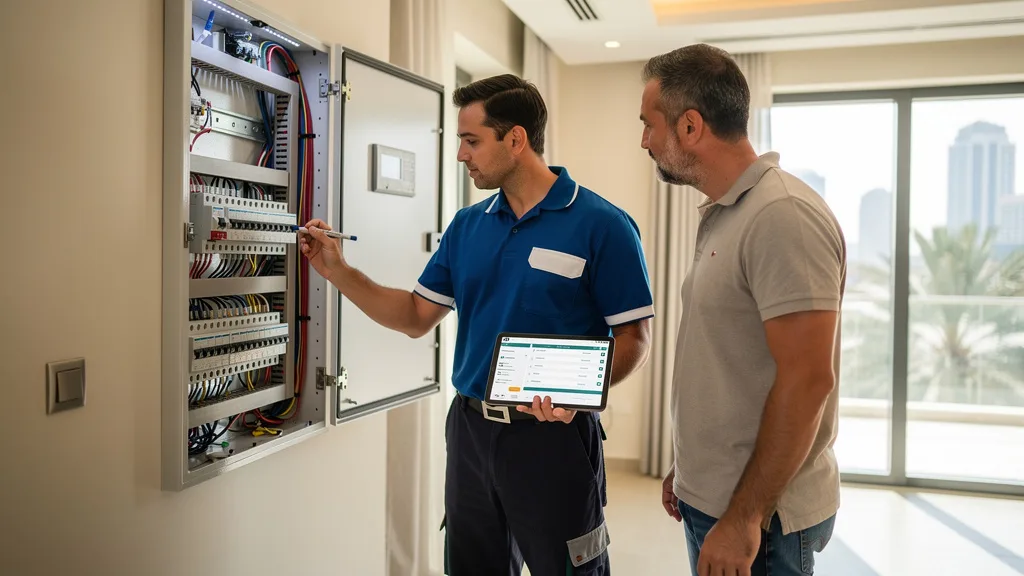
Is your Dubai home's electrical system truly prepared for the demands of modern living, or could a hidden danger be lurking behind the walls? In a city of smart villas and powerful air conditioning, ensuring your electrical setup is safe isn't just a matter of convenience, it's a critical component of protecting your property and family. From the peak summer heat pushing your AC to its limits to the array of devices charging in every room, the strain on your home's circuits is immense.
The most important electrical safety tips every Dubai homeowner should know involve being proactive. Regularly inspect outlets and cords for damage, avoid overloading circuits with high-power appliances, keep all electrical equipment away from water, and never ignore warning signs like frequent breaker trips or warm switches. For any issues beyond a simple fix, always trust a certified electrician to ensure the work is done safely and correctly, protecting your home from potential hazards.
Top Electrical Safety Tips for Dubai Homes in 2026
Living in Dubai brings unique electrical challenges. The combination of powerful air conditioning units, a vast array of modern appliances, and the occasional dust accumulation can put significant stress on any home's electrical system. Adopting a mindset of proactive electrical safety is the best defense against unforeseen problems. This means moving beyond simple common sense and implementing practical, consistent habits in your daily life to prevent hazards before they can escalate.
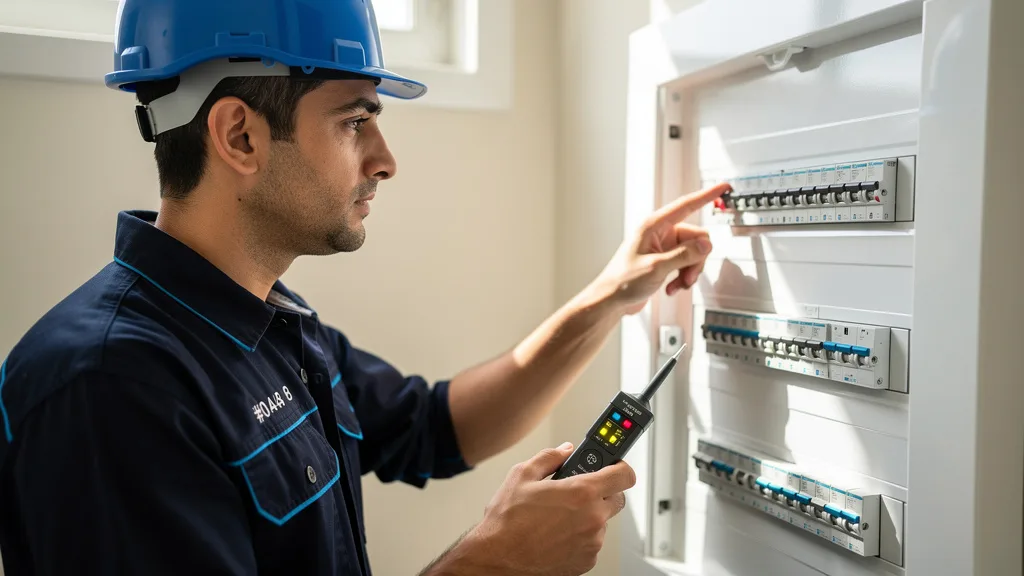
A safe electrical environment is built on awareness and regular checks. Make it a routine to walk through your home and visually inspect accessible cords, outlets, and extension leads. Look for signs of wear and tear, discoloration, or damage. Educating everyone in your household, including children, about the basic rules of Electrical Safety can significantly reduce risks and foster a protected living space. These small, consistent actions are the foundation of a secure home in 2026.
Recognize Early Warning Signs of Electrical Problems
Your home's electrical system will often provide clear signals when something is wrong. The key is to recognize these warning signs and act on them swiftly. Ignoring seemingly minor issues can allow them to develop into major hazards, including electrical fires or appliance damage. Familiarize yourself with the sounds, smells, and sights of electrical distress. A faint buzzing from an outlet, a slight burning odor near an appliance, or lights that flicker when you use a particular device are all indicators that require immediate attention.
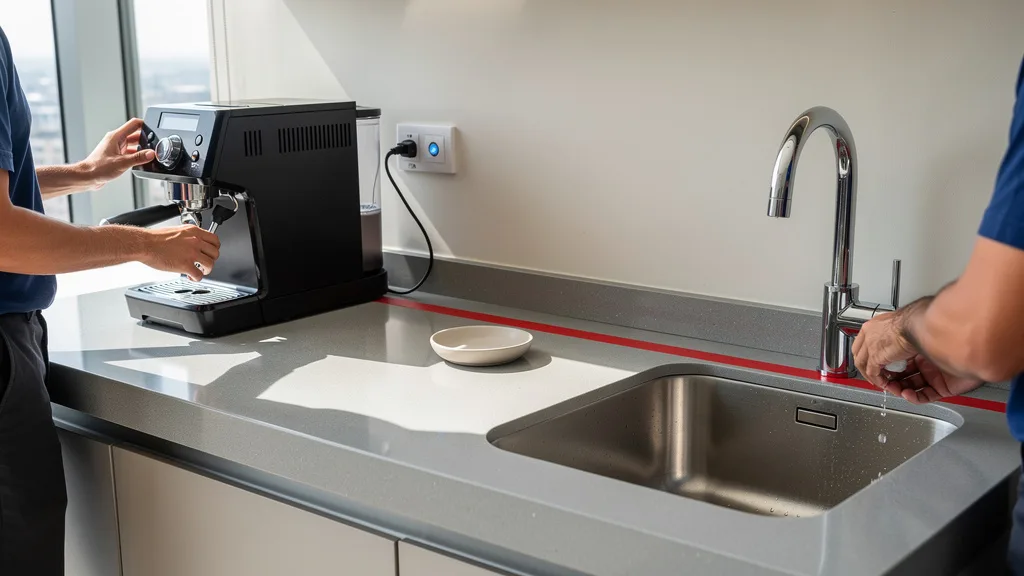
Electrical problems don't always announce themselves dramatically. Sometimes, the signs are subtle. A switch plate that feels warm to the touch or a circuit breaker that trips more than once are not minor annoyances, they are your system's way of calling for help. Treating these signs with urgency is a crucial part of home maintenance and can prevent a small issue from becoming a costly and dangerous emergency.
Address Warm Switches and Sockets Immediately
If an electrical switch or socket feels warm when you touch it, this is a serious red flag. Heat is a byproduct of electrical resistance, and excess heat indicates a problem within the wiring. This could be caused by a loose connection, frayed wiring, or the circuit being overloaded. The plastic housing of switches and outlets is not designed to dissipate significant heat, so any warmth suggests the internal components are dangerously hot.
Do not dismiss a warm outlet as normal. Unplug any devices connected to it immediately and avoid using that switch or socket until it has been inspected by a professional. Continuing to use a warm outlet can cause the internal wiring to melt, leading to a short circuit, socket burns, and potentially a fire. This is one of the most critical warning signs to watch for in your daily life.
Do Not Ignore Frequent Circuit Breaker Trips
A circuit breaker is a vital safety device designed to protect your home by automatically shutting off power when it detects an overload or a fault. While an occasional trip can happen if you plug in too many devices at once, a breaker that trips frequently is a clear sign of an underlying issue. It could mean the circuit is consistently overloaded or that there is a short circuit somewhere in the wiring or in a connected appliance.
Never get into the habit of simply resetting a frequently tripping breaker without investigating the cause. Identify which appliances are running when the trip occurs. If you cannot easily identify the source of the overload, it's time to call a certified electrician. Continuously resetting a breaker without addressing the root problem can lead to wire degradation and increases the risk of an electrical fire.
Manage Your Electrical Load to Prevent Overheating
The modern Dubai home is filled with power-hungry devices, from entertainment systems to smart home hubs and kitchen gadgets. Each electrical circuit in your home is designed to handle a specific maximum load, measured in amperes. Exceeding this limit causes the wiring to overheat, which can melt the wire's insulation and create a serious fire hazard. Understanding and managing your home's electrical load is fundamental to long-term safety.
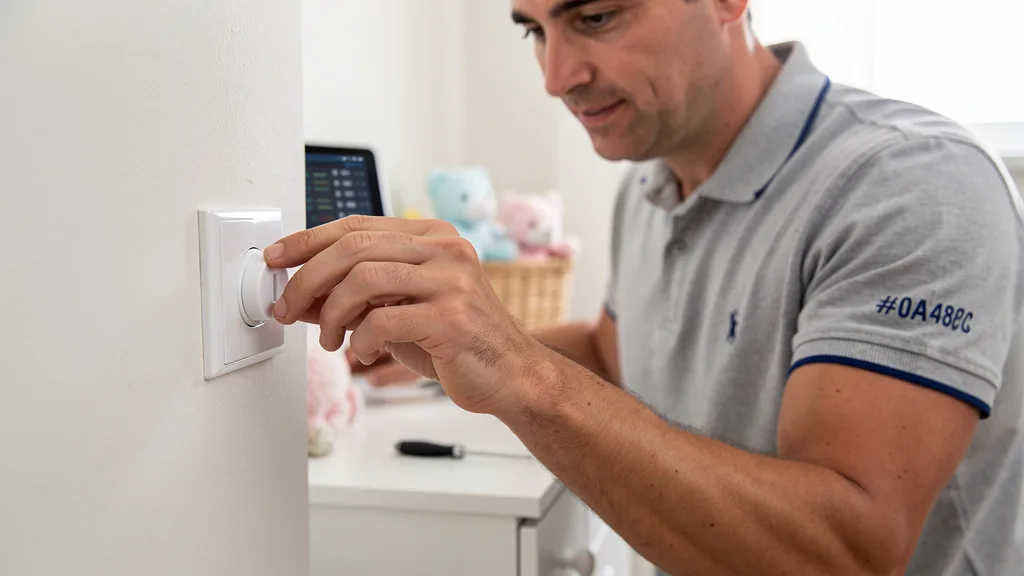
Effective load management involves being mindful of what you plug in and where. Avoid running multiple high-power appliances on the same circuit simultaneously. For example, running a microwave, electric kettle, and toaster on one kitchen circuit could easily cause an overload. Spreading your devices across different circuits and unplugging items when not in use can help prevent overheating and protect your electrical system.
Avoid Overloading Outlets and Extension Cords
One of the most common electrical mistakes is overloading wall outlets and extension cords. Plugging a power strip into another power strip, known as 'daisy-chaining', is exceptionally dangerous and a common cause of electrical fires. Each outlet is part of a circuit with a fixed capacity, and plugging too many devices into it, even through an extension cord, can easily exceed that limit.
Use extension cords as a temporary solution, not a permanent wiring fixture. Always choose a cord that is rated for the power of the device you are connecting, and never run cords under carpets or rugs where they can overheat or become damaged. For areas where you need more outlets, the safest long-term solution is to have a qualified electrician install additional permanent sockets.
| Practice | Safe (Do) | Unsafe (Don't) |
|---|---|---|
| Extension Cords | Use for temporary needs; ensure proper rating. | Use as permanent wiring or 'daisy-chain' them. |
| High-Power Appliances | Plug directly into a wall outlet. | Plug into a multi-outlet power strip. |
| Outlet Usage | Use one or two plugs per duplex outlet. | Use multi-way adapters to plug in many devices. |
| Damaged Cords | Stop using and replace the cord immediately. | Repair with electrical tape or continue using. |
Account for High-Power AC Units and Appliances
In Dubai's climate, powerful air conditioning is a necessity, not a luxury. AC units are among the most power-intensive appliances in any home and place a significant, sustained load on your electrical system, especially during the peak summer months. For this reason, central and split AC units should always be on their own dedicated circuits to prevent them from overloading circuits shared with other devices.
The same principle applies to other high-draw appliances like washing machines, dryers, water heaters, and electric ovens. These items should have their own circuits to operate safely and efficiently. If you are renovating or adding a new high-power appliance, consult an electrician to ensure your panel and wiring can handle the additional load. Knowing how often to service your AC also includes checking its electrical connections for safety and efficiency.
Create a Safe Environment Around Electrical Fixtures
Physical safety around electrical outlets and devices is just as important as the state of your wiring. This involves creating a home environment where the risk of accidental contact with electricity is minimized. Simple habits and minor modifications can drastically improve Electrical Safety in Dubai Apartments and villas, especially in households with children or pets.
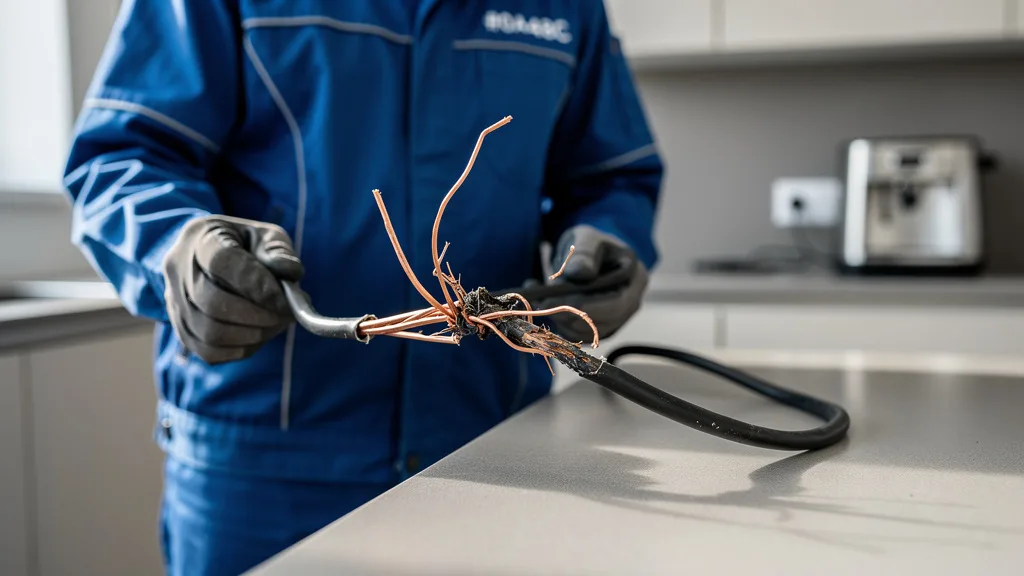
Pay close attention to the placement of electrical cords, ensuring they are not tripping hazards or positioned where they can be crushed by furniture. Keep the areas around outlets and electronics clear of flammable materials like curtains, papers, or bedding. A clutter-free space not only reduces fire risk but also allows for better air circulation, helping to prevent devices from overheating.
Keep Water and Liquids Away from All Electronics
Water and electricity are a lethal combination. This rule is one of the most fundamental principles of electrical safety, yet it is often overlooked in daily routines. Any liquid can act as a conductor for electricity, creating a path that can lead to severe electric shock or short circuits that can damage appliances and start fires. This is particularly important in areas like kitchens, bathrooms, and laundry rooms.
Never touch electrical devices or switches with wet hands. Ensure that outlets near sinks, bathtubs, or pools are protected by a Ground Fault Circuit Interrupter (GFCI), which is a fast-acting device that cuts power if it detects a moisture-related current leak. When cleaning around electronics, spray cleaner onto a cloth rather than directly onto the device to prevent liquid from seeping inside. For those with outdoor spaces, ensuring your pool's electrical systems are properly maintained is also crucial; our swimming pool maintenance guide offers further insights.
Install Childproof Outlets in Accessible Areas
For families with young children, curiosity can lead to dangerous situations. Toddlers and children are naturally drawn to outlets, and protecting them is a top priority. Standard plastic outlet plugs can be a choking hazard and are easily removed by determined toddlers. A much safer and more permanent solution is to install tamper-resistant receptacles (TRRs).
These outlets look just like standard ones but feature internal spring-loaded shutters that block the insertion of foreign objects. The shutters only open when equal pressure is applied to both slots simultaneously, such as when inserting a proper two-pronged plug. Installing these in all accessible areas of your home provides constant, reliable protection without the need to remember to replace small plastic caps.
Proactive Maintenance for Long-Term Electrical Safety
The best way to ensure electrical safety is through proactive, preventative maintenance. Over time, all electrical components can degrade due to age, heat, and environmental factors. Waiting for a problem to occur is a reactive approach that puts your property at risk. Instead, a schedule of regular inspections and timely upgrades is the most effective strategy for long-term safety and peace of mind.
"In a dynamic city like Dubai, proactive electrical maintenance isn't a luxury, it's essential. The best electrical safety tips every Dubai homeowner should know are the ones that prevent a problem from ever happening. Regular checks by a certified professional can identify hidden risks before they become emergencies."
This includes having your entire system inspected by a qualified electrician every few years, especially if you live in an older property or have recently added major appliances. An expert can assess the condition of your wiring, check the load on your circuits, and ensure your electrical panel is functioning correctly. This kind of professional oversight is invaluable in maintaining a secure home, whether you live in a sprawling villa or a chic apartment.
Replace Old or Damaged Wiring Promptly
Wiring does not last forever. Insulation can become brittle and crack, connections can loosen, and damage can occur from pests or accidental contact during renovations. Old or damaged wiring is one of the leading causes of house fires. Be vigilant for signs of aging wiring, such as flickering lights, a persistent burning smell, or discolored outlets.
If your home is several decades old and has never had an electrical upgrade, it is highly likely that the wiring is outdated and may not be able to handle the demands of modern electronics. Replacing old aluminum or knob-and-tube wiring with modern copper wiring is a significant but essential investment in your home's safety. Any discovery of frayed, chewed, or cracked wiring should be addressed immediately by a professional.
Use Only Certified and Approved Electrical Products
When purchasing any electrical product, from a simple extension cord to a new light fixture, always ensure it is certified for safety. In the UAE, look for products that carry the Emirates Quality Mark (EQM) or are certified by the Emirates Authority for Standardization and Metrology (ESMA). These marks indicate that the product has been tested and meets stringent safety standards.
Avoid purchasing cheap, unbranded electronics from questionable sources, as they often cut corners on safety to reduce costs. Using non-certified products can not only lead to poor performance but also poses a significant risk of electric shock and fire. This applies to everything, including chargers, power strips, and even light bulbs. Investing in quality, certified products is an investment in your safety.
When to Call a Professional vs. Attempting DIY Fixes
While some minor home tasks are suitable for a DIY approach, electrical work is not one of them. The risks associated with incorrect electrical repairs are simply too high, ranging from electric shock to creating a fire hazard that could endanger your entire household. Understanding the line between a simple task and a job for a professional is a critical aspect of home safety.
Tasks like changing a lightbulb or resetting a circuit breaker are generally safe for homeowners. However, anything that involves opening an outlet, accessing wiring, or modifying your electrical panel should be left exclusively to a licensed and certified electrician. Professionals have the training, tools, and knowledge of local codes to do the job safely and correctly. Knowing what's covered in a standard handyman visit can help clarify when to call for expert help.
Key Takeaways
Maintaining electrical safety in your Dubai home is an ongoing responsibility. By staying vigilant and following best practices, you can significantly reduce the risk of electrical hazards. Here are the most critical points to remember:
- Recognize Warning Signs: Never ignore frequently tripping circuit breakers, warm or discolored outlets, or flickering lights. These are calls for immediate action.
- Manage Your Load: Avoid overloading outlets and extension cords. High-power appliances like AC units and ovens should have their own dedicated circuits.
- Keep Water Away: Water and electricity do not mix. Be extra cautious in kitchens, bathrooms, and near pools. Use GFCI-protected outlets in wet areas.
- Be Proactive with Maintenance: Regularly inspect your system, use only certified electrical products, and have your home's wiring professionally inspected every 3-5 years.
- Know When to Call a Pro: Do not attempt DIY electrical repairs. For anything beyond changing a lightbulb, trust a certified electrician to ensure the job is done safely and to code.
Frequently Asked Questions
What are the golden rules for electrical safety at home?
The golden rules for electrical safety revolve around respect for electricity's power. First, always assume a circuit is live until you have proven otherwise. Second, never mix water and electricity. Third, recognize and act on warning signs like warm outlets or tripping breakers immediately. Finally, never attempt electrical repairs beyond your expertise; always call a professional for wiring, outlet replacement, or panel work.
How often should a home in Dubai have an electrical inspection?
For most homes in Dubai, a comprehensive electrical inspection by a certified electrician is recommended every 3 to 5 years. You should consider an inspection sooner if you live in an older property, have recently completed major renovations, are adding high-power appliances, or notice any recurring electrical issues. An annual maintenance contract (AMC) can often include these regular check-ups for continued peace of mind.
Is it safe to use extension cords for appliances like refrigerators?
No, it is not safe to use a standard extension cord for major appliances like refrigerators, freezers, or microwaves. These appliances draw a large, continuous amount of power that can cause a typical extension cord to overheat, creating a serious fire risk. Major appliances should always be plugged directly into a wall outlet designed to handle their load.
What is the first thing to do in case of an electrical fire?
In case of an electrical fire, your first priority is safety. Do not use water to extinguish it, as this can conduct electricity and make the situation worse. If possible, de-energize the circuit by switching off the main power at your breaker box. Then, use a Class C or ABC multi-purpose fire extinguisher. If the fire is not small and manageable, evacuate everyone from the home immediately and call emergency services (997 for the fire department in Dubai).
Are DIY electrical repairs a good idea for homeowners?
DIY electrical repairs are almost always a bad idea for homeowners. While changing a lightbulb is fine, any task involving wiring is dangerous without proper training. Incorrectly performed work can lead to electric shock, short circuits, and create hidden fire hazards inside your walls. For your safety and to ensure compliance with local regulations, always hire a licensed and insured electrician for repairs and installations.
Conclusion
Embracing these electrical safety tips every Dubai homeowner should know is a fundamental part of responsible homeownership. Your home's electrical system is the silent workhorse that powers your modern lifestyle, but it requires respect and attention to remain safe. By learning to recognize early warning signs, managing your electrical load, and creating a safe environment, you actively reduce the risk of accidents and protect your most valuable assets: your family and your property.
The key takeaways are simple but powerful: be vigilant, be proactive, and never hesitate to call for professional help. Small acts like replacing a frayed cord or not overloading an outlet, combined with periodic professional inspections, form a comprehensive safety net. These practices ensure your smart villa or lavish apartment in Dubai Marina remains a haven, free from preventable electrical hazards.
Don't wait for a flickering light or a tripped breaker to become a major problem. If you have any concerns about your home's electrical system or need a professional inspection for peace of mind, our certified technicians are ready to help. We provide transparent, reliable electrical services across Dubai to keep your home safe and powered correctly. Book a Service Now to schedule your electrical safety check-up.
Need certified on-demand property maintenance in Dubai?
Sub-4 hour response SLA • 30-day labor warranty • Upfront pricing from AED 180.