
How to Fix a Running Toilet in Dubai Without a Plumber
Learn how to fix a running toilet in Dubai without a plumber. Our 2026 DIY guide helps you diagnose the issue, find parts, and save money on your DEWA bill.
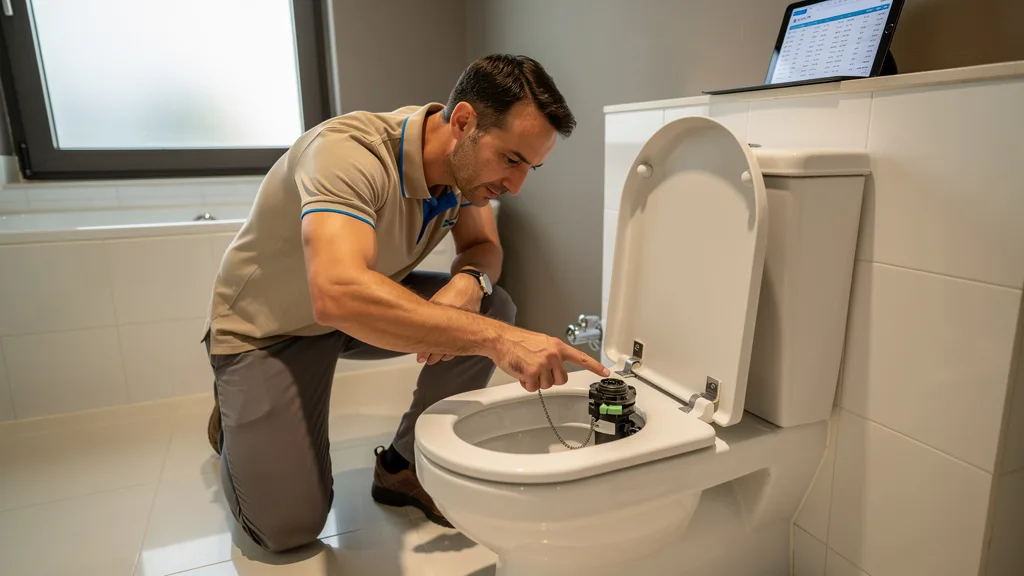
Is that constant hissing sound from your toilet not only annoying but also causing a spike in your DEWA bill? A continuously running toilet is one of the most common household plumbing issues, wasting hundreds of liters of water each day. The good news is that you can often resolve this problem yourself without needing to call a professional, saving both time and money.
To perform a DIY running toilet repair in Dubai, you first need to identify the cause, which is usually a faulty flapper or fill valve inside the tank. With a few basic tools and a replacement part from a local hardware store, you can typically complete this fix in under an hour. This guide will walk you through diagnosing the leak, purchasing the right components, and completing the repair step by step.
The Hidden Costs: How a Running Toilet Affects Your DEWA Bill
A running toilet might seem like a minor nuisance, but its impact on your water consumption and utility bills is significant. A moderate leak can waste over 200 gallons (more than 750 liters) of water per day. In Dubai, where water is a precious resource, this level of waste can translate into a surprisingly high DEWA bill, potentially adding hundreds of dirhams to your quarterly statement if left unaddressed.
Beyond the financial cost, this constant water waste has a considerable environmental footprint. Fixing the leak promptly not only protects your wallet but also contributes to water conservation efforts in the UAE. Taking a few moments to address the issue is a responsible and cost-effective decision for any resident. The sooner you act, the more money and water you save.
Diagnosing the Problem: Is It the Flapper or the Fill Valve?
Before you can fix the problem, you need to determine which part is failing. The two most common culprits inside your toilet tank are the flapper and the fill valve. The flapper is the rubber seal at the bottom of the tank that lifts when you flush, and the fill valve is the mechanism that refills the tank with water after the flush. A simple test can quickly tell you which one is causing the leak.
Using the Food Coloring Test to Pinpoint Leaks
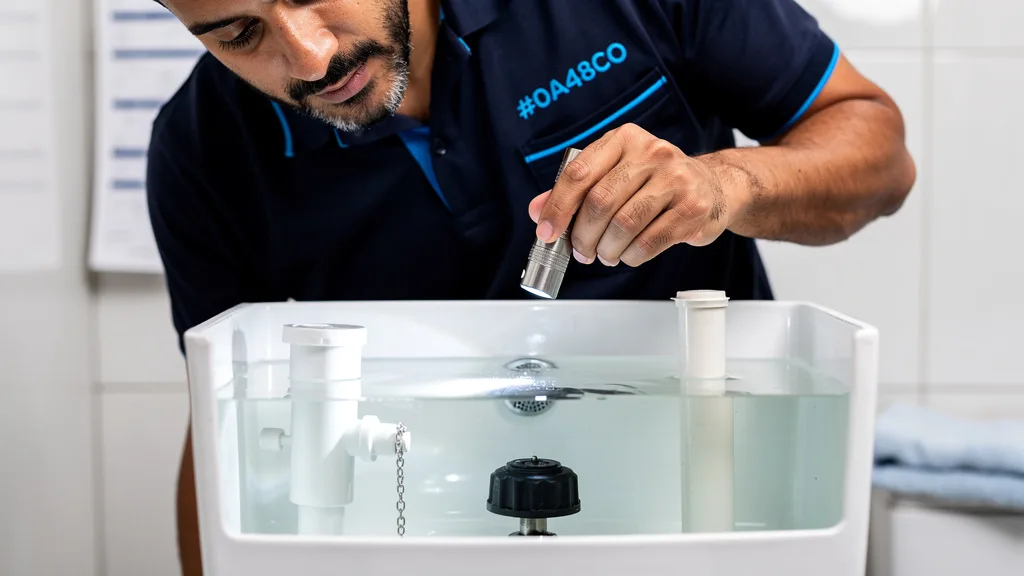
The easiest way to check for a flapper leak is with the food coloring test. Start by removing the tank lid. Add a few drops of dark food coloring or a dye tablet into the tank water. Do not flush the toilet for at least 15 to 30 minutes. After the waiting period, check the water in the toilet bowl.
If you see any colored water in the bowl, it means the flapper is not creating a tight seal and is allowing water to leak from the tank into the bowl. This is a definitive sign that the flapper needs to be replaced. If the water in the bowl remains clear, the problem is likely with the fill valve or another component.
Visually Inspecting Key Toilet Tank Components
If the food coloring test shows no leak, your next step is to inspect the fill valve. Listen for a hissing sound and observe the fill valve after the tank has finished filling. If it continues to run and water is trickling down the overflow tube (the large pipe in the middle of the tank), the fill valve is faulty and not shutting off completely. This is a common issue that causes the toilet to run intermittently or constantly.
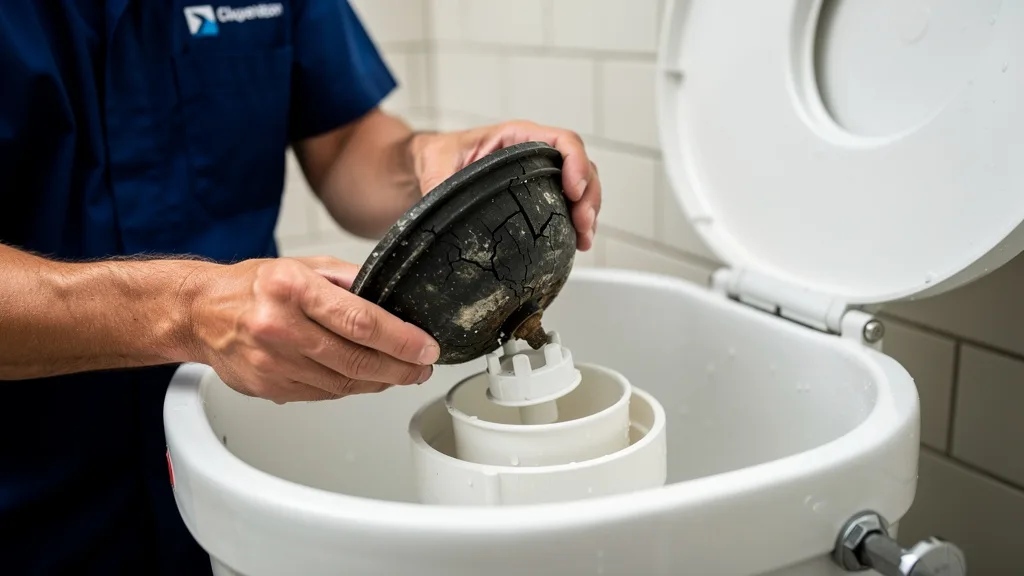
While you have the tank open, visually check the flapper itself for signs of wear, such as warping, bubbling, or mineral buildup. Also, check the chain connecting the flapper to the flush handle. If the chain is too long, it can get caught under the flapper, preventing a proper seal. If it's too short, it might be holding the flapper slightly open. These simple visual checks can often reveal the root cause of the problem.
Essential Tools and Parts for Your DIY Toilet Repair in Dubai
Tackling a running toilet is a straightforward DIY project that doesn't require an extensive toolkit. For most repairs, especially replacing a flapper or a fill valve, you will only need a few basic items that you may already have at home. Having these ready before you start will make the process smooth and quick.
- Adjustable wrench or channel-lock pliers
- Screwdriver (flathead or Phillips, depending on your toilet model)
- Bucket or small container to catch excess water
- Old towels or sponges for cleanup
- Utility knife or scissors to trim parts if needed
- Replacement toilet flapper or a complete fill valve kit
What Are the Best DIY Toilet Repair Kits Available in Dubai in 2026?
In 2026, residents in Dubai have access to several excellent DIY toilet repair kits. The most popular and reliable brands are Fluidmaster and Korky. These brands offer universal repair kits designed to fit the majority of toilet models, which simplifies the buying process. A typical kit includes a new fill valve, flapper, and all necessary gaskets and hardware.
When choosing a kit, look for one that specifies it is universal or compatible with your toilet's flush capacity. Many modern toilets are low-flow models, and using the correct kit ensures optimal performance and water efficiency. These kits are a great value, as they bundle all the likely failing parts into one convenient package.
Which Hardware Stores in Dubai Have the Best Selection of Toilet Parts?
Finding the right toilet repair parts in Dubai is easy, thanks to a number of well-stocked hardware stores. Major retailers like ACE Hardware, Speedex, and the home improvement sections of large hypermarkets like Carrefour carry a wide selection of kits and individual components from leading brands. For more specialized parts, smaller plumbing supply shops in areas like Deira or Al Quoz can be excellent resources.
When you go to the store, it's helpful to take a picture of the inside of your toilet tank with your phone. This can help you or the store staff identify the exact type of mechanism you have, ensuring you purchase the correct replacement part the first time. This simple step can save you a return trip.
Step-by-Step Guide to Fixing a Running Toilet
Once you have your diagnosis and the necessary parts, you are ready to begin the repair. This process is logical and can be completed by most people with basic DIY skills. Follow these steps carefully to ensure a leak-free result and restore your toilet to proper working order.
Step 1: Shut Off Water Supply and Empty the Tank
The first and most critical step is to turn off the water to the toilet. Locate the shutoff valve, which is typically a small, oval-shaped handle on the wall or floor behind the toilet. Turn the valve clockwise until it stops. Next, flush the toilet to drain all the water from the tank. Use a sponge or an old towel to soak up any remaining water at the bottom of the tank to ensure a dry working area.
Step 2: How to Replace a Worn-Out Toilet Flapper
Replacing the flapper is the simplest part of the repair. First, unhook the chain from the flush lever arm. Then, gently pull the old flapper's rubber ears off the two pegs on either side of the overflow tube. Install the new flapper by hooking its ears onto the same two pegs. Attach the new chain to the flush lever arm, making sure to leave about one to two links of slack. Too much or too little slack can cause flushing issues, so this adjustment is key.
Step 3: How to Install a New Toilet Fill Valve
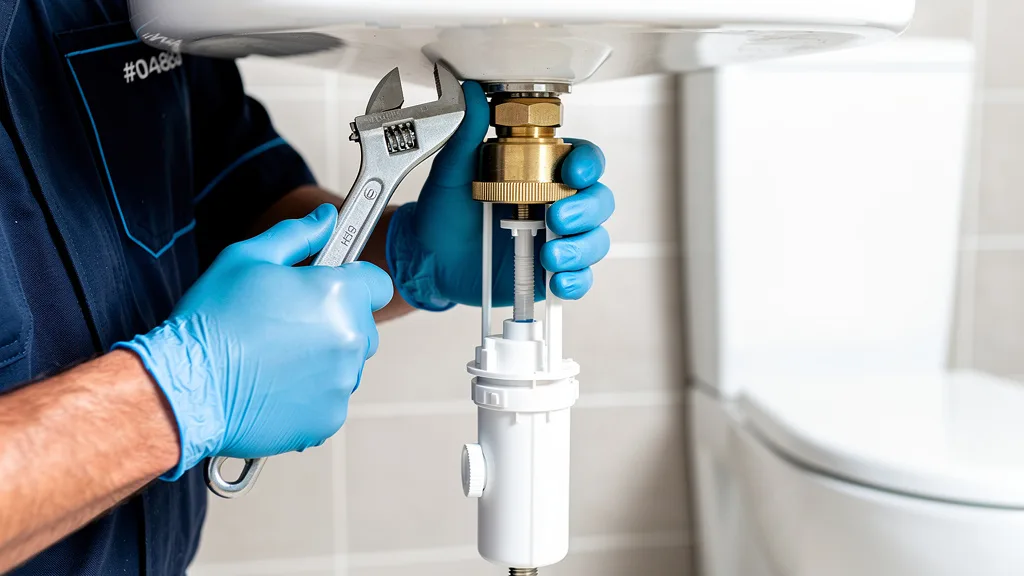
If the fill valve is the problem, the process is more involved but still manageable. After emptying the tank, place a bucket under the water supply line connection beneath the tank. Use a wrench to disconnect the supply line from the bottom of the fill valve. Then, unscrew the large plastic locknut that holds the fill valve in place. Lift the old fill valve out of the tank.
Insert the new fill valve into the hole in the tank, ensuring the rubber gasket is properly seated on the inside. From underneath the tank, thread on the new locknut and tighten it. It should be hand-tight, followed by a quarter-turn with a wrench to avoid cracking the porcelain. Reconnect the water supply line and attach the small refill tube from the valve to the clip on the overflow tube.
Step 4: Adjusting the Float and Tank Water Level
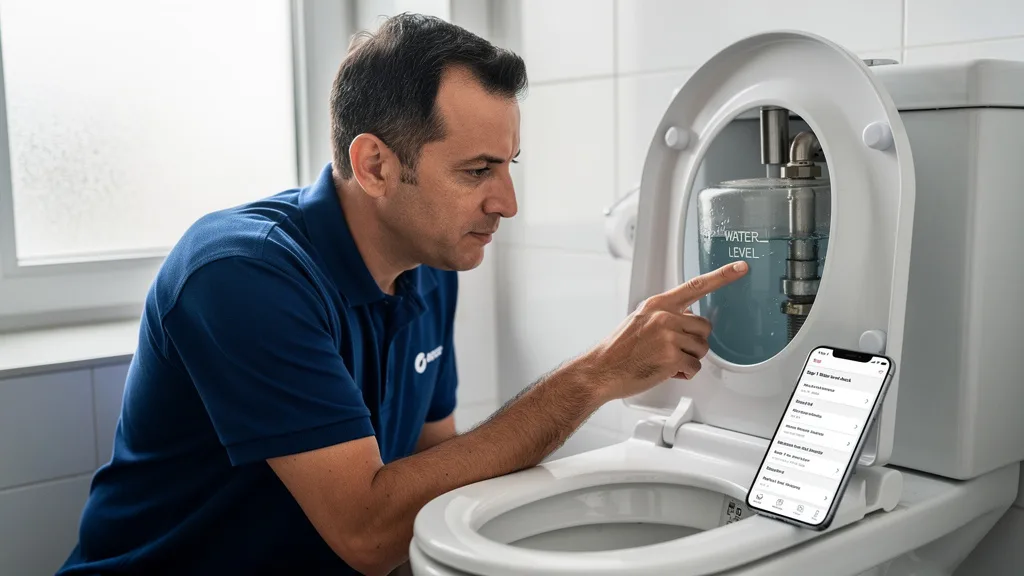
After installing the new parts, slowly turn the water supply back on by turning the valve counter-clockwise. As the tank fills, check for any leaks around the new connections. The final step is to adjust the water level. Most tanks have a fill line marked on the inside wall or on the overflow tube. The water level should stop about one inch below the top of the overflow tube.
Modern fill valves have an adjustment screw or a sliding clip on the float cup. Turn the screw or move the clip to raise or lower the float, which in turn controls the final water level. Getting this level right is crucial for both effective flushing and water conservation. Once adjusted, put the tank lid back on and test the flush a few times.
Fluidmaster vs Korky: Which Repair Kit Is Best for UAE Conditions?
When selecting a repair kit in Dubai, the two dominant brands you'll encounter are Fluidmaster and Korky. Both are highly reputable and offer effective solutions, but they have slight differences that might make one a better choice for your specific needs, especially considering the water conditions in the UAE. Desalinated water can have different properties, including higher chlorine levels, which can affect rubber and plastic parts over time.
Your choice may come down to availability at your local hardware store and specific features like ease of installation or material durability. Both brands provide excellent instructions and are designed for DIY installation.
"Choosing a repair kit with chlorine-resistant materials, like those offered by Korky, can extend the life of your toilet's internal parts, especially with Dubai's water supply. However, Fluidmaster's wide availability and proven reliability make it an equally strong choice for a quick DIY fix."
Assessing Fluidmaster Kits for Local Water Quality
Fluidmaster is arguably the most recognized name in toilet repair parts and is widely available across Dubai. Their kits, particularly the 400A fill valve, are known for their reliability and straightforward installation. The materials used are durable and generally perform well with the desalinated water found in the UAE. While mineral buildup can eventually affect any plumbing part, Fluidmaster components are designed to last for many years under normal conditions.
Korky places a strong emphasis on the quality of its materials, particularly its proprietary red Chlorazone® rubber. This material is specifically engineered to resist chlorine, bacteria, and hard water, which can cause standard rubber flappers to degrade and fail prematurely. Given the treatment processes for desalinated water, this enhanced durability can be a significant advantage in the UAE, potentially leading to a longer lifespan for the replacement parts. Their kits are also known for being easy to adjust.
| Feature | Fluidmaster | Korky |
|---|---|---|
| Material Quality | Durable standard plastics and rubber | Often features chlorine-resistant Chlorazone® rubber |
| Availability in Dubai | Excellent, found in most major hardware stores | Good, widely available but sometimes less selection |
| Installation | Very easy, with clear instructions | Very easy, often praised for simple adjustments |
| Best For | General reliability and widespread availability | Long-term durability in chlorine-treated water |
DIY vs Hiring a Plumber: A Dubai Cost Comparison
One of the biggest motivations for learning how to fix a running toilet in Dubai without a plumber is the potential cost savings. While professional plumbers provide valuable expertise, a simple running toilet repair is often a great opportunity for a homeowner to save money with a quick DIY fix. However, it's also important to recognize when a problem is beyond a simple parts swap and requires professional attention.
How Much Money Can You Save by Fixing It Yourself?
The cost difference between a DIY repair and hiring a professional in Dubai is substantial. A DIY toilet repair kit or a new flapper can cost anywhere from AED 30 to AED 100, depending on the brand and type. In contrast, the starting call-out fee for a professional plumber for a minor job typically begins at AED 180 and can go up, plus the cost of parts. By spending an hour on a DIY repair, you could easily save over AED 150. For a task this common, the savings add up over time.
Signs You Should Stop and Call a Professional
While DIY is empowering, there are clear signs that you should put down the wrench and call for professional help. If you encounter any of the following issues, it's best to contact a certified plumber to avoid causing more significant damage:
- The shutoff valve is stuck, won't turn, or leaks when you try to close it.
- You notice any cracks in the porcelain of the tank or bowl.
- The leak is coming from the base of the toilet, indicating a failed wax ring.
- After replacing the parts, the toilet continues to run or leaks from the connections.
- The water supply line or fittings are heavily corroded.
In these situations, a professional has the experience and specialized tools to resolve the issue safely. If you're facing a more complex problem, it's wise to consult an expert. You can find more information on when to call for help by reading about signs you need an emergency plumber.
Key Takeaways
Fixing a running toilet is one of the most cost-effective DIY repairs you can perform. By understanding the basic mechanics of your toilet and following a few simple steps, you can save water, lower your DEWA bill, and gain valuable home maintenance skills. Here are the most important points to remember from this guide:
- Identify the Problem First: Use the food coloring test to quickly determine if the flapper is the cause of the leak. If not, the fill valve is the likely culprit.
- Costs are Minimal: A DIY repair costs a fraction of a professional service call. Parts are readily available in Dubai for under AED 100.
- Tools are Simple: You only need basic hand tools like a wrench and screwdriver to complete the job.
- Follow Steps Carefully: Always turn off the water supply first. Do not overtighten plastic connections to avoid cracking the porcelain.
- Know Your Limits: For issues like leaking shutoff valves, cracks in the toilet, or leaks at the base, it is always best to call a certified professional plumber.
Frequently Asked Questions
How much does a new toilet flapper or fill valve cost in Dubai?
In Dubai, the cost for toilet repair parts is quite affordable. A standard replacement flapper typically costs between AED 20 and AED 50. A complete fill valve kit, which often includes a new flapper and all necessary hardware, generally ranges from AED 50 to AED 120, depending on the brand and features.
How long does it typically take to fix a running toilet yourself?
For a first-time DIYer, replacing a toilet flapper should take no more than 15-20 minutes. Replacing a full fill valve assembly is a bit more involved and might take around 30 to 60 minutes. An experienced individual can often complete either task in much less time.
What are the most common mistakes to avoid during a DIY repair?
The most common mistakes include forgetting to turn off the water supply before starting, overtightening the plastic nuts which can crack the toilet tank, and not adjusting the flapper chain length correctly. Also, ensure all gaskets are properly seated to prevent new leaks from the connections.
Are most toilet repair kits universal for different toilet models?
Yes, many repair kits sold today are designed to be universal, fitting a wide range of standard two-piece toilets. However, some high-efficiency, low-flow, or one-piece toilets may require specific parts. It's always a good idea to check the packaging for compatibility or take a picture of your toilet's internals to the store.
Is replacing a toilet fill valve harder than replacing a flapper?
Yes, replacing a fill valve is more complex than replacing a flapper. A flapper replacement involves simply unclipping the old one and clipping on the new one inside the tank. A fill valve replacement requires disconnecting the water supply and working with nuts and gaskets both inside and outside the tank, making it a more involved but still very manageable task.
Conclusion
Successfully fixing a running toilet on your own is an empowering and financially savvy skill for any resident in Dubai. By following this guide, you can confidently diagnose the issue, select the right parts, and complete the repair, putting an end to water waste and inflated DEWA bills. This simple project not only saves you money on a plumber's fee but also helps conserve one of the UAE's most vital resources.
If you've attempted the repair and the toilet is still running, or if you discovered a more complex issue like a cracked tank or a leaking valve, don't hesitate to call in the professionals. Our team of certified and experienced plumbers is equipped to handle any plumbing problem, big or small. For reliable service with upfront pricing, you can Book a Service Now.
Need certified on-demand property maintenance in Dubai?
Sub-4 hour response SLA • 30-day labor warranty • Upfront pricing from AED 180.