
Advanced Leak Detection in Dubai: Pro Methods for Leaks
Discover how professionals use advanced leak detection in Dubai. Learn about thermal imaging, acoustic sensors, and non invasive methods for 2026.
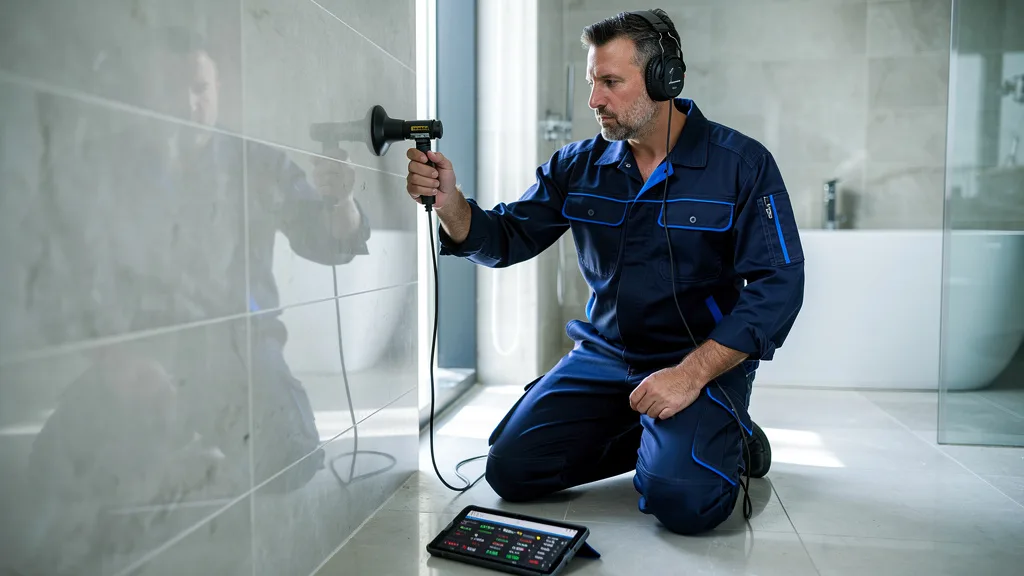
Are you noticing a mysterious spike in your DEWA bill, a persistent damp smell, or faint water stains appearing on your walls or ceilings? These are classic signs of a hidden water leak, a problem that can cause significant structural damage and mould growth if left unaddressed. Traditional guesswork often leads to unnecessary destruction and repeated repairs. The key to solving this issue efficiently lies in professional techniques that find the exact source without tearing your property apart.
For property owners in Dubai, advanced leak detection in Dubai uses non-invasive technologies like thermal imaging, acoustic sensors, and tracer gas to accurately pinpoint hidden water leaks in pipes behind walls, under floors, or within concrete slabs. This modern approach saves time, prevents property damage, and ensures repairs are targeted and effective, making it the preferred method for villas and apartments across the city.
Why Standard Methods Often Fail to Find Hidden Water Leaks
Standard leak detection often relies on a 'search and destroy' approach. A plumber might listen for drips or look for the most obvious signs of water damage, like peeling paint or discoloured drywall. While this can sometimes locate a leak in an exposed pipe under a sink, it's highly ineffective for leaks hidden within your property's structure. The visible water damage is often just the exit point, not the source, which could be several meters away.
This guesswork leads to unnecessary cutting into walls, ceilings, and floors, creating a mess and adding significant repair costs. It's a frustrating process for homeowners who may endure multiple disruptive visits without a definitive solution. In Dubai's modern buildings, with complex plumbing systems often embedded in concrete, these outdated methods are particularly prone to failure and can compromise the building's integrity. You might end up paying for extensive drywall and tile repair on top of the initial plumbing fix.
"A damp spot on the ceiling is just the symptom; the real problem could be several meters away inside a concrete slab. That's where technology becomes essential to avoid turning a small leak into a major renovation project." - Lead Technician
Advanced Leak Detection Technologies Professionals Use in 2026
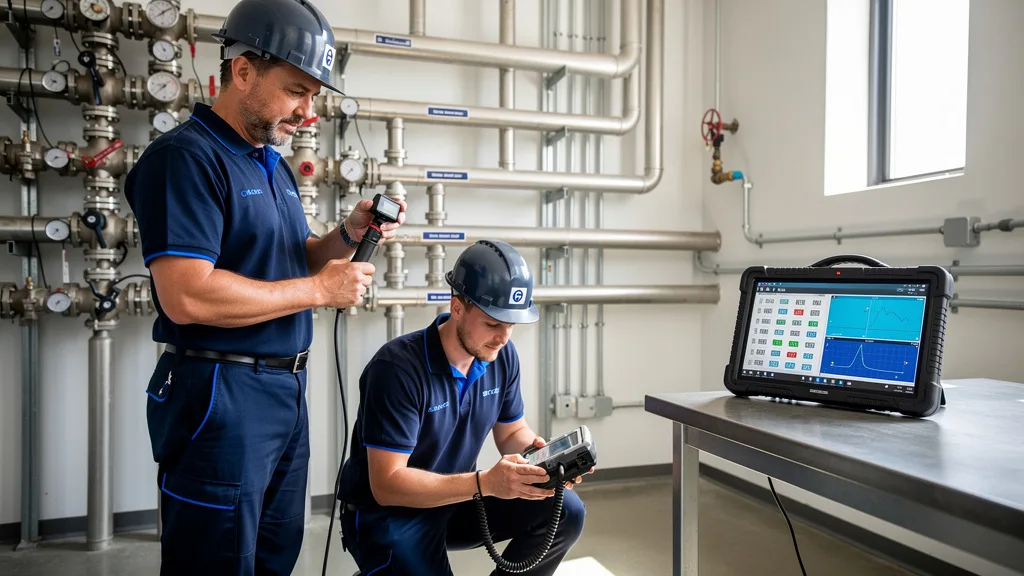
To overcome the limitations of traditional methods, certified professionals in Dubai employ a suite of sophisticated, non-invasive technologies. This equipment allows technicians to 'see' and 'hear' what's happening inside your walls, floors, and underground without causing any physical damage. Each tool is designed for specific scenarios, and often a combination of technologies provides the most accurate diagnosis. This tech-forward approach is the difference between a quick, precise repair and a lengthy, destructive ordeal.
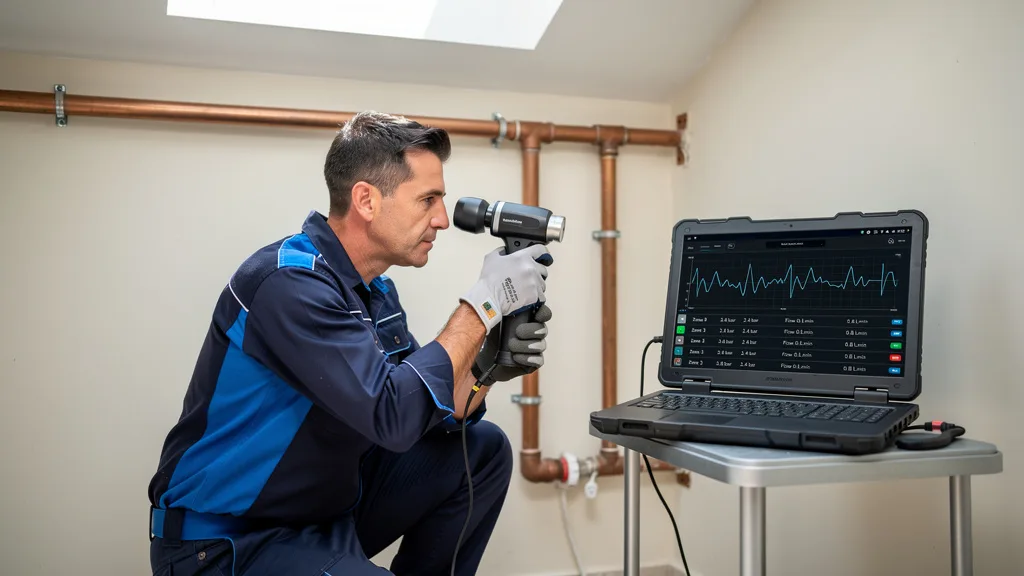
Using these tools requires extensive training and experience to interpret the data correctly. A professional technician understands the nuances of how sound travels through different materials or how temperature gradients indicate moisture. This expertise, combined with the right equipment, is what enables a precise, efficient, and damage-free process for locating even the most elusive leaks. This is why choosing a company that invests in the latest tools and ongoing training for its team is crucial for protecting your property.
Thermal Imaging and Infrared Scans
Thermal imaging cameras are one of the most powerful tools for non-invasive leak detection. These devices detect minute differences in surface temperature, creating a visual heat map of the area. When water leaks from a pipe, it cools or heats the surrounding material, such as drywall, wood, or concrete. This temperature anomaly, invisible to the naked eye, shows up clearly on a thermal scan as a distinct cold or warm patch.
This technology is incredibly effective for finding leaks from hot water lines, identifying moisture saturation behind walls and ceilings, and even tracing the path of water from the source to the point of visible damage. In Dubai, it's also invaluable for detecting failing insulation or thermal bridges in AC systems that can lead to condensation and moisture issues. A technician can scan an entire room in minutes, quickly narrowing down the search area without any physical intrusion.
Acoustic Leak Detection Sensors
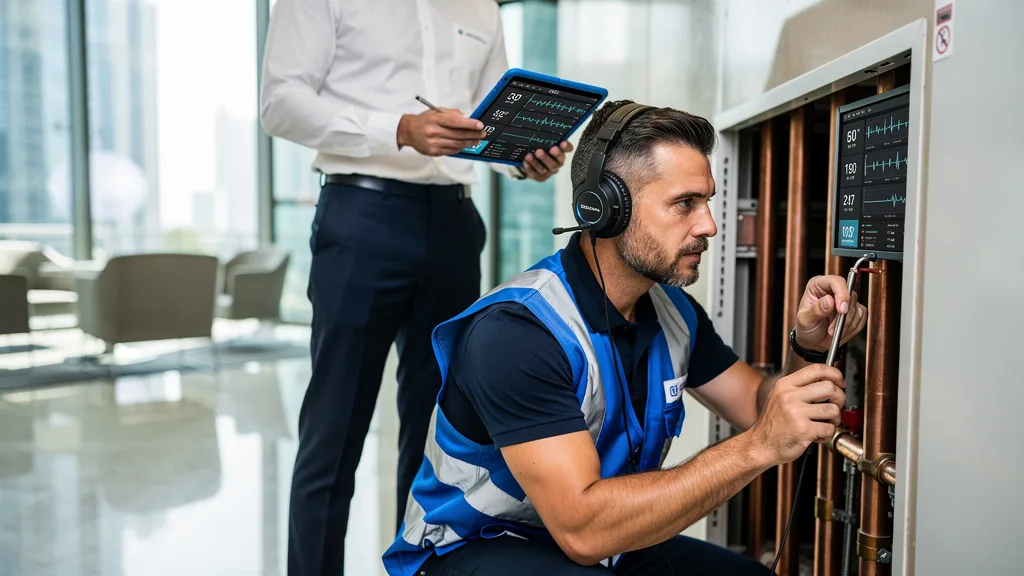
When water escapes a pressurized pipe, it creates a very specific sound or vibration. Acoustic leak detection equipment uses highly sensitive ground microphones and listening devices to hear these sounds. A trained technician can use these sensors to listen at various points along a pipe's suspected path, such as at valves or exposed fittings, and on the surface of floors and walls.
The sound of the leak is loudest directly above its location, allowing the technician to pinpoint the source with remarkable accuracy, often to within a few centimeters. This method is particularly effective for detecting leaks in underground pipes or those buried deep within concrete slabs, which are common in Dubai villas and commercial properties. Advanced systems use digital processors to filter out background noise, isolating the distinct frequency of the leak itself.
Tracer Gas Detection Systems
For leaks that are too small or not under enough pressure to be found with acoustic sensors, tracer gas is an excellent alternative. The process involves draining the water from the pipe system in question and filling it with a safe, non-toxic mixture of gas (typically hydrogen and nitrogen). This gas is much lighter than air and is composed of very small molecules.
The gas escapes through the same crack or hole as the water and rises to the surface. A technician then uses a highly sensitive gas 'sniffer' or detector to scan the area above the pipe. The detector will sound an alarm when it detects the gas, pinpointing the exact location of the leak. This method is exceptionally precise and can be used on any type of pipe system, including plumbing, heating, and swimming pool lines.
Endoscopic Video Camera Inspection
Sometimes, the best way to understand a problem is to see it directly. An endoscopic or borescope camera allows technicians to do just that. These are miniature waterproof cameras attached to a long, flexible cable that can be fed directly into pipes, drains, or small openings drilled in walls. The camera sends a live video feed to a monitor, giving the technician a real-time, high-resolution view of the pipe's interior.
This method is invaluable for diagnosing the cause of the leak, not just its location. Technicians can identify corrosion, cracks, root intrusion, or failed joint fittings inside the pipe. This direct visual confirmation eliminates all guesswork and allows for a highly targeted repair plan. After locating a leak with thermal or acoustic methods, a borescope can be used to visually confirm the issue before any demolition begins. For property owners, learning about the potential need for such services is important, as 5 signs you need an emergency plumber often lead to this type of advanced inspection.
Pipe Pressure Testing
Pressure testing is a diagnostic method used to confirm if a specific section of the plumbing system is leaking. The process involves isolating a segment of pipe and filling it with water or air to a specific pressure. A gauge is attached to monitor the pressure over a set period.
If the pressure drops, it confirms there is a leak within that isolated section. While this method doesn't pinpoint the exact location on its own, it is crucial for verifying a leak's existence and narrowing down the problem to a specific water line, such as the hot water system, cold water system, or irrigation line. It's often used in conjunction with other technologies like acoustic sensors to find the precise point of failure once a pressure drop is confirmed.
The Professional Leak Detection Process in Dubai
A professional leak detection service follows a systematic, multi-step process designed for accuracy and minimal disruption. This structured approach ensures that nothing is missed and that you receive a clear, actionable report at the end. From the initial call to the final recommendation, every step is geared towards solving your problem efficiently.
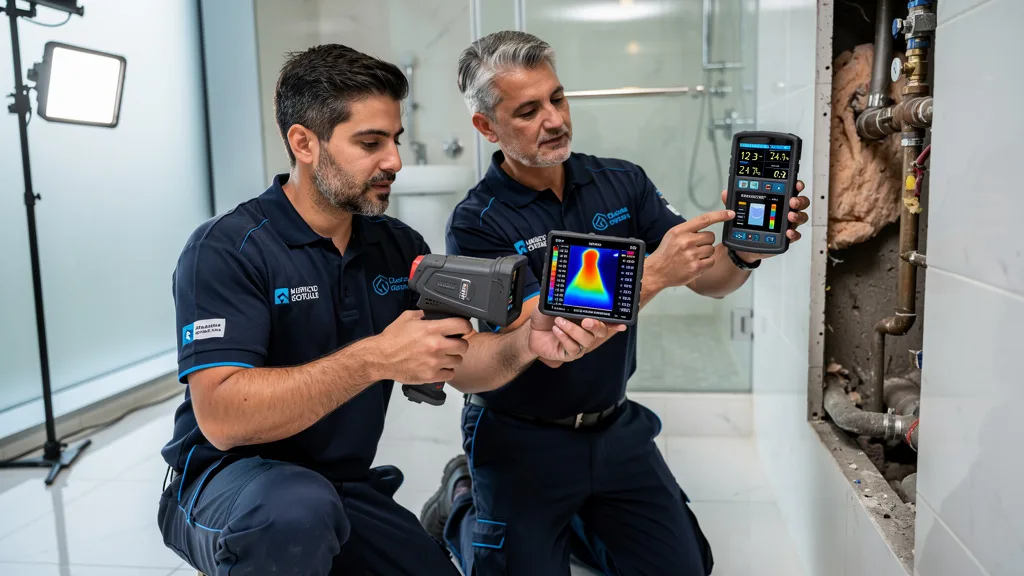
Our certified technicians in Dubai are trained to execute this process flawlessly, combining their expertise with the advanced tools at their disposal. We prioritize clear communication, keeping you informed at every stage so you understand what is being done and why. This transparent process is designed to give you peace of mind and confidence in the solution.
Step 1: Initial Consultation and Property Assessment
The process begins with a detailed conversation with you. Our technician will ask about the signs you've noticed, the history of the property, and any recent plumbing work. They will conduct a thorough visual inspection of the property, looking for visible signs of water damage, mould, or unusually lush patches of vegetation outside that could indicate an underground leak.
This initial assessment is critical for forming a hypothesis about the potential location and type of leak. It helps the technician decide which tools and techniques will be most effective for your specific situation. Information about your property type is also gathered, as the approach for a high-rise apartment can differ from that for a sprawling villa.
Step 2: Non-Invasive Inspection Using Advanced Tools
With a strategy in place, the technician begins the non-invasive inspection. This is where the advanced technology comes into play. Depending on the situation, they may start with a thermal imaging scan of the walls and floors to look for temperature anomalies that indicate moisture. This helps to quickly map out the affected area.
Following the thermal scan, they may use acoustic sensors to listen for the sound of the leak within the identified zone. For suspected underground leaks, this is often the primary method. If needed, other tools like moisture meters or an endoscopic camera may be deployed to gather more data without causing any damage to your property.
Step 3: Pinpointing the Exact Leak Location
The data gathered from the various tools is correlated to zero in on the precise source of the leak. This is the most crucial step, where the technician's experience in interpreting the readings is vital. For example, a thermal signature might show a large area of moisture, but the acoustic sensor will identify the single point within that area where the water is escaping the pipe.
The goal is to narrow the location down to the smallest possible area, often just a few square centimeters. This precision is what allows for a minimally invasive repair. Instead of removing an entire section of wall or floor, the repair can often be made through a small, targeted opening that is easy to patch afterward.
Step 4: Detailed Reporting and Repair Recommendations
Once the leak is precisely located and confirmed, the job isn't over. A professional service provides you with a comprehensive report. This document details the methods used, the findings (including photos or thermal images), the exact location of the leak, and a clear recommendation for repair. It may also include an upfront quote for the repair work itself.
This report serves as a valuable record and empowers you to make an informed decision. With our service, we provide a transparent, fixed-price quote for the necessary plumbing repairs, ensuring there are no surprises. You can review the evidence and approve the repair with a full understanding of the problem and the solution. This level of detail is also essential for any insurance claims you may need to file.
Common Signs You Need Advanced Leak Detection
Hidden leaks can be subtle, but they almost always leave clues. Being aware of these signs can help you catch a problem early before it causes extensive damage. If you notice any of the following, it's time to call a professional for an inspection.
- Sudden Spike in DEWA Bill: If your water consumption has jumped without a change in your habits, a hidden leak is a likely culprit.
- Visible Mold or Mildew: Mold requires moisture to grow. If you see it on walls or ceilings, especially in non-shower areas, there's a persistent moisture source nearby.
- Damaged Walls and Ceilings: Look for peeling paint, bubbling wallpaper, discoloured stains (often yellowish or brown), or soft, spongy drywall.
- Musty Odors: A persistent damp, earthy smell that doesn't go away often indicates hidden moisture and potential mold growth within your walls.
- Sound of Running Water: If you can hear water running when all taps and appliances are turned off, you almost certainly have a leak.
- Warm Spots on the Floor: A warm area on your floor could indicate a leak in a hot water line buried in the slab beneath.
- Cracks in Foundation or Walls: Persistent underground leaks can erode the soil supporting your foundation, leading to settling and structural cracks over time. Proactive care through an annual maintenance contract (AMC) can help spot these issues early.
How to Choose the Right Leak Detection Service in Dubai
Not all leak detection services are created equal. Choosing the right company is critical to ensure the problem is solved correctly the first time. When evaluating providers in Dubai, look for a combination of experience, technology, and professionalism. Here are the key factors to consider.
Your property is a significant investment, and allowing someone to perform work on its essential systems requires trust. A reputable company will be transparent about their qualifications, tools, and processes, giving you confidence that your home is in good hands. Don't be afraid to ask detailed questions before committing to a service.
Verify Certifications and Local Experience
Ensure the company employs certified and licensed technicians. Experience specifically within the Dubai market is a major advantage. Technicians familiar with local building codes and the common construction styles of villas and high-rise apartments will be better equipped to diagnose problems efficiently. They will understand the typical plumbing layouts and materials used in communities from Dubai Marina to Arabian Ranches.
Ask how long the company has been operating in Dubai and if they have case studies or references from properties similar to yours. A company with a long-standing presence, like ours, demonstrates stability and a commitment to quality service in the local community. This local expertise ensures they are familiar with common issues related to Dubai's climate and water quality.
Inquire About Their Technology and Equipment
A company's investment in technology is a direct indicator of its commitment to modern, non-invasive methods. Ask specifically what types of equipment they use. Do they have thermal imaging cameras, digital acoustic sensors, tracer gas systems, and endoscopic cameras? A company relying on just one tool may not be able to handle every type of leak.
The best companies use a multi-technology approach, and their technicians should be able to explain why a certain tool is right for your situation. Avoid companies that are vague about their methods or still rely primarily on destructive 'search and find' techniques. The quality of the equipment matters, as professional-grade tools are far more sensitive and accurate than consumer-grade models.
Review Their Reporting Process and Guarantees
A professional service doesn't end when the leak is found. Ask what kind of report you will receive. A reputable company will provide a detailed written report with photographic evidence and clear explanations, as discussed earlier. This is your proof of the findings and the basis for any repairs. You can explore our property maintenance companies in Dubai page to see the level of professionalism we bring to every job.
Finally, inquire about their guarantees. Do they offer a warranty on their detection service? For example, we stand by our work with a 30-day warranty on labor. This shows confidence in their accuracy. Also, ask about their process for repairs. A full-service company that can both detect and repair the leak offers a seamless experience, saving you the hassle of coordinating with multiple contractors.
Key Takeaways
Dealing with a hidden water leak can be stressful, but understanding the professional approach can provide peace of mind. Here are the most important points to remember:
- Advanced leak detection uses non-invasive technology like thermal imaging and acoustic sensors to find leaks without destroying your property.
- Visible signs like high DEWA bills, mould, or damp spots are serious warnings that require immediate professional assessment.
- The professional process is systematic, involving an initial consultation, non-invasive inspection, precise pinpointing, and detailed reporting.
- When choosing a service in Dubai, prioritize companies with certified technicians, modern equipment, local experience, and transparent reporting.
- Acting quickly not only prevents costly water damage and mould but also protects the structural integrity of your home.
Frequently Asked Questions
How much does professional leak detection cost in Dubai?
The cost of professional leak detection in Dubai can vary depending on the complexity of the job and the time required. However, most reputable companies offer a fixed price for the initial detection service. At our company, services start from a transparent price point for a standard call-out, which covers the technician's time and the use of their advanced equipment for a set duration.
It's important to view this cost as an investment. The expense of a professional detection service is almost always less than the cost of repairing the extensive damage caused by a prolonged, undiscovered leak or the cost of unnecessary demolition from outdated detection methods. You can find more details on our consolidated home maintenance pricing guide for a clear breakdown of service costs.
Is the leak detection process destructive to my property?
No, the primary goal of advanced leak detection is to be non-destructive and non-invasive. Technologies like thermal imaging, acoustic sensors, and tracer gas are specifically designed to locate leaks from outside the wall or floor. This means technicians can find the source of the problem without any random cutting, drilling, or demolition.
In the rare event a tiny opening is needed for an endoscopic camera, it is typically done in an inconspicuous location and is no larger than a small coin. Once the leak is precisely pinpointed, a targeted opening will be required for the repair, but this opening will be minimal and localized directly at the problem spot, saving you significant time and money on restoration.
How long does a typical leak detection service take?
The duration of a leak detection service depends on the nature and complexity of the leak. A straightforward leak in a residential apartment might be located in as little as one to two hours. More complex issues, such as intermittent leaks or multiple leaks in a large villa with extensive plumbing, could take longer.
A professional technician will typically allocate a service window of two to four hours to ensure they can be thorough. They will work methodically through their process to ensure an accurate diagnosis. The technician should be able to give you a better time estimate after the initial property assessment is complete.
Can these methods find leaks in both apartments and villas?
Yes, absolutely. The advanced technologies used by professionals are effective in all types of properties, from high-rise apartments to large, multi-story villas and commercial buildings. The principles of thermal imaging, acoustic detection, and tracer gas work the same regardless of the building's size or construction.
However, the strategy might differ slightly. In a villa, the focus might include underground pipes for irrigation or swimming pools, whereas in an apartment, the focus is often on shared plumbing stacks and pipes within concrete slabs. Experienced technicians understand these differences, and as our guide on villa vs. apartment maintenance explains, knowing the unique challenges of each property type is key to effective service.
What should I do immediately after a leak is detected?
Once the technician has pinpointed the leak and provided you with the report, the immediate next step is to approve the recommended repair. If the leak is severe, the technician may have already shut off the water to the affected area to prevent further damage. The best course of action is to have the same professional company that found the leak perform the repair.
This ensures a seamless process, as the repair team will have direct access to the detailed findings. Delaying the repair can lead to more water damage, even if the leak is slow. A reputable company will provide a clear, upfront quote for the repair work, allowing you to proceed with confidence and get your property back to normal as quickly as possible.
Conclusion
Ultimately, tackling hidden water leaks in Dubai requires precision, not guesswork. By leveraging advanced, non-invasive technologies, professional services can pinpoint the exact source of a leak, preventing the widespread property damage, escalating costs, and frustration associated with outdated methods. Understanding the signs of a leak and choosing a certified, well-equipped provider are the most critical steps you can take to protect your home. This modern approach ensures a targeted, efficient, and cost-effective solution every time.
Don't let a small drip turn into a major disaster. If you suspect a hidden leak in your Dubai property, our team of certified technicians is ready to help with the latest technology and transparent, upfront pricing. Protect your investment and gain peace of mind by addressing the problem correctly from the start. Book a Service Now to have an expert accurately diagnose and resolve your leak issue.
Need certified on-demand property maintenance in Dubai?
Sub-4 hour response SLA • 30-day labor warranty • Upfront pricing from AED 180.