
AC Repair Dubai: A Step by Step Troubleshooting Guide
Facing AC issues in Dubai? Our 2026 step by step guide helps you troubleshoot common problems and know when to call a pro for AC repair in Dubai.
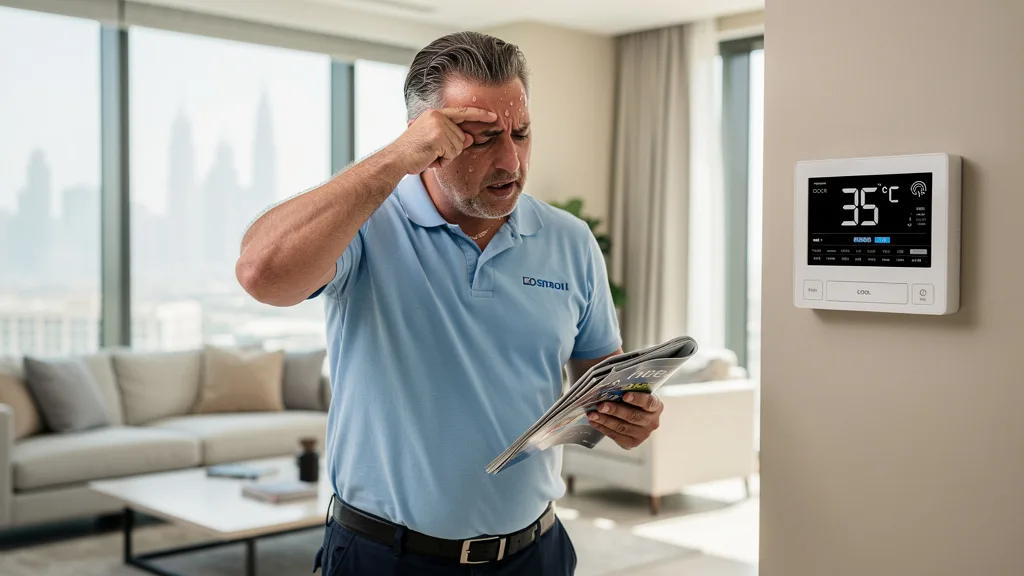
Is there anything more stressful than your air conditioner failing during the peak of a Dubai summer? Before you panic, many common AC issues can be resolved with a few simple checks. This guide provides a step-by-step process for troubleshooting your AC unit, helping you identify simple fixes you can perform yourself and recognize serious problems that require a professional technician.
For many residents, a non-working AC is an emergency. Our guide to AC Repair Dubai: A Step-by-Step Troubleshooting Guide walks you through initial power checks, thermostat settings, and cleaning procedures that can restore cool air quickly. If these steps don't work, we'll explain the critical signs that indicate it's time to call for certified, emergency AC repair to prevent further damage and ensure your safety.
Initial Checks Before You Begin Your AC Repair
Before assuming the worst, a few preliminary checks can often solve the problem without needing any tools. These steps address the most frequent oversights that cause an AC to stop working. Taking a moment to verify these basics can save you time, money, and the discomfort of a warm home.
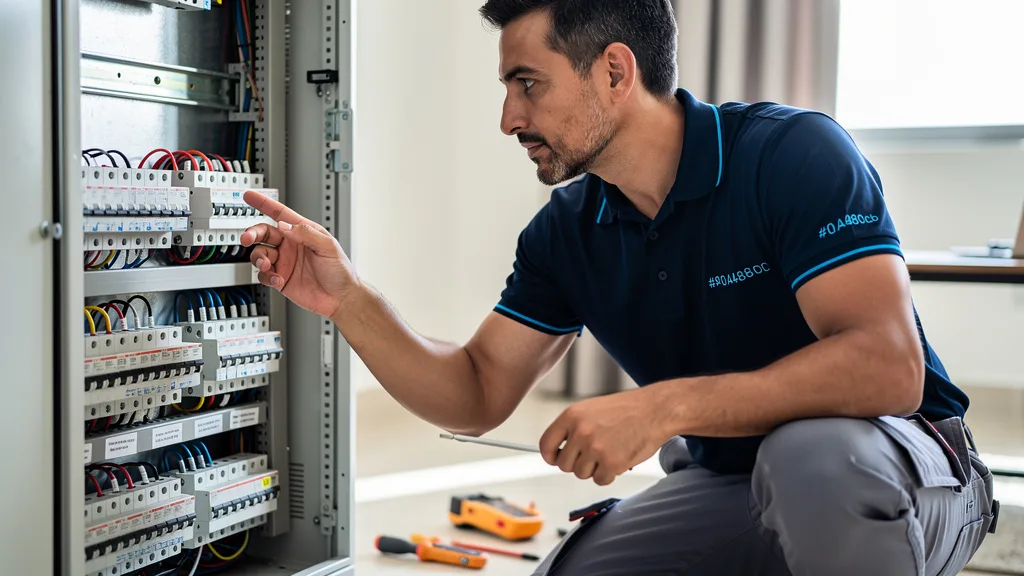
Start with the simplest solutions first. Often, the issue isn't with the air conditioning unit itself but with the systems that control it. Power supply and thermostat settings are responsible for a significant percentage of AC service calls, and you can easily inspect them in just a few minutes.
Confirm Power to the Unit
The first step is to ensure your air conditioner is receiving power. Check your home's main electrical panel for a tripped circuit breaker. Breakers for AC units are typically larger and may be labeled. If a breaker has tripped, flip it completely to the 'off' position and then back to 'on'. If it trips again immediately, do not reset it again and call a professional, as this indicates a more serious electrical fault.
Forgetting this simple step is a common mistake. Also, confirm that any power switches connected to the indoor and outdoor units are in the 'on' position. Some installations have a dedicated switch near the unit itself. If the unit still doesn't power on after these checks, it's time to investigate other potential causes or seek professional help from a licensed technician who can diagnose the issue safely.
Verify Your Thermostat Settings
An incorrect thermostat setting is another frequent reason for an AC not cooling. First, ensure the thermostat is set to 'Cool' mode, not 'Heat' or 'Fan'. Next, check the temperature setting. It must be set lower than the current room temperature for the AC to kick in. If the set temperature is 28°C and the room is 26°C, the cooling cycle will not start.
If you have a battery-powered digital thermostat, a low or dead battery can prevent it from sending a signal to the AC unit. Most thermostats will display a low battery icon as a warning. Replacing the batteries is a simple fix that can immediately resolve the issue. If your settings are correct and the batteries are fresh, the problem may lie elsewhere in the system.
Common AC Problems and Simple Fixes for 2026
Air conditioning units are complex, but many malfunctions stem from a handful of recurring issues. Understanding these common problems can help you quickly diagnose the situation. From a complete failure to turn on to strange noises, most symptoms point toward specific components that may need cleaning, adjustment, or professional attention.
In 2026, with increasingly sophisticated systems, it's still the fundamentals that cause the most trouble. Dirty filters, clogged drains, and obstructed airflow remain the top culprits behind poor performance. Addressing these can often restore your unit's efficiency and prevent more costly breakdowns. For a more detailed overview of service options, you can review the difference between AC repair and regular servicing.
AC Unit Fails to Turn On
If your AC unit refuses to power on after you've confirmed the power supply and thermostat settings are correct, the issue could be a bit more complex. A repeatedly tripping circuit breaker suggests an electrical short or an overloaded circuit, which requires a professional electrician. The unit may also have an internal fuse that has blown, or its safety shut-off switch may have been triggered by a separate problem, such as a clogged condensate line.
Another potential cause is a faulty motor or compressor that has failed to start. In these cases, you might hear a humming or buzzing sound without the fan or compressor engaging. This is a clear sign that a major component has malfunctioned, and attempting to fix it yourself is not recommended. Professional diagnosis is necessary to pinpoint the exact electrical or mechanical failure.
Air Conditioner Is Not Cooling Effectively
One of the most common complaints is an AC that runs but doesn't cool the room properly. The number one cause is a dirty or clogged air filter. A blocked filter restricts airflow over the evaporator coils, significantly reducing the system's ability to cool the air. This can also cause the coils to freeze over, making the problem even worse.
Other causes include a dirty outdoor condenser unit, which cannot dissipate heat effectively, or low refrigerant levels. A refrigerant leak is a serious issue that not only impacts cooling but is also harmful to the environment. If your filters are clean and the outdoor unit is clear of debris, but the air from the vents is still not cold, you likely have a refrigerant or detection compressor issue that needs a certified technician.
Unit Is Making Strange Noises or Emitting Odors
Unusual sounds from your AC are warning signs that should not be ignored. A grinding or squealing noise often points to a problem with the motor bearings or a belt that needs replacement. A loud banging or clanking sound, especially when the unit starts or stops, could indicate a loose or broken part, such as a fan blade or a failing compressor.
Strange odors are also a cause for concern. A musty or moldy smell suggests the growth of mold or mildew inside the unit or ductwork, often due to excess moisture from a clogged drain. A burning smell is more urgent, as it could signal an electrical problem like an overheated motor or wiring issue. If you smell something burning, turn off the AC at the circuit breaker immediately and call for emergency service.
Water Is Leaking From the Indoor or Outdoor Unit
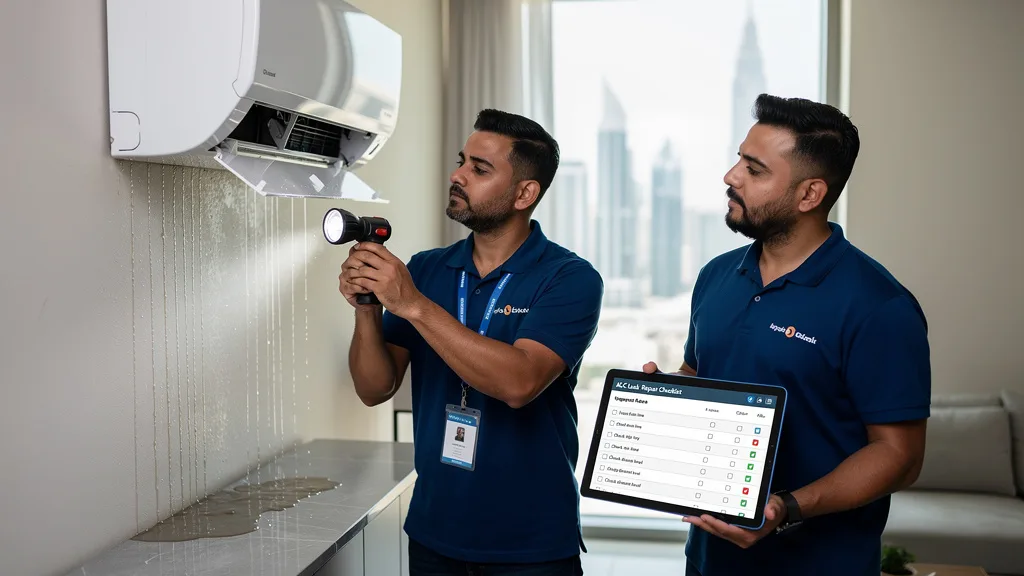
If you see water pooling around your indoor AC unit, the most likely culprit is a clogged condensate drain line. As your AC cools the air, it removes humidity, which collects in a drain pan and flows outside through a pipe. If this line becomes blocked with dirt, algae, or debris, the water backs up and overflows the pan, leading to leaks that can cause water damage to your walls and floors.
Leaking from the outdoor unit can be normal, as condensation is a natural part of the cooling process. However, excessive water or an active leak during 'off' cycles could be a sign of a problem. If the leak is accompanied by ice formation on the unit, it might indicate a refrigerant issue or severely restricted airflow. You can learn more about how to handle this by reading an Easy DIY AC Service Guide for basic maintenance.
Your Step-by-Step DIY AC Troubleshooting Guide
For homeowners willing to perform some basic maintenance, this step-by-step guide can help you resolve many common AC issues safely. Before starting any work, the most important rule is to turn off the power to your air conditioning system at the main circuit breaker. This prevents any risk of electrical shock or accidental startup while you are working.
Following these steps in order will help you systematically check and clean the components most likely to cause problems. These tasks do not require specialized tools and are part of routine maintenance that can improve your unit's efficiency and lifespan. Remember, if you feel uncomfortable at any stage, it is always best to call a professional.
Step 1: Inspect and Clean the Air Filters
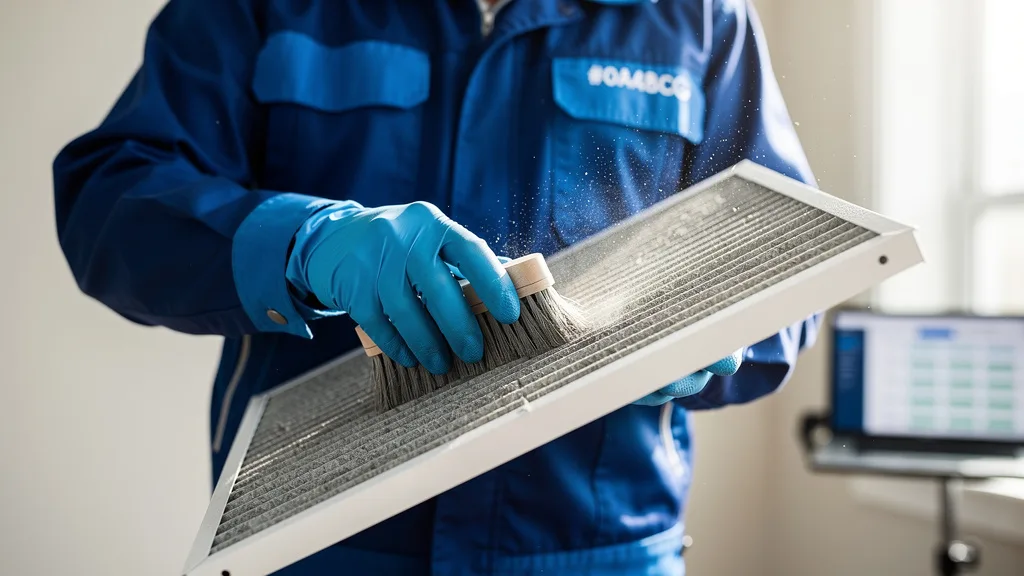
Dirty air filters are the leading cause of AC problems. Locate the filter, which is usually behind a grille on your indoor unit or in a slot near the air handler. Slide the filter out and hold it up to a light. If you cannot see light through it, it's too dirty and needs to be cleaned or replaced. This simple check is a crucial part of any AC repair.
For reusable filters, you can wash them gently with water and a mild detergent. Make sure the filter is completely dry before reinstalling it to prevent mold growth. For disposable filters, simply replace them with a new one of the correct size. We recommend checking your filters every month and cleaning or replacing them at least every three months, especially during heavy use in the Dubai summer.
Step 2: Clean the Evaporator and Condenser Coils
Over time, both the indoor evaporator coils and the outdoor condenser coils can become caked with dust and grime, which insulates them and reduces their ability to transfer heat. With the power off, you can access the evaporator coils, usually located near the filter. Use a soft brush or a can of no-rinse coil cleaner spray, available at hardware stores, to gently clean them.
For the outdoor condenser unit, start by clearing away any leaves, grass clippings, or debris from around the unit, ensuring at least two feet of clear space for airflow. You can then use a garden hose with a gentle spray nozzle to rinse the fins from the inside out. Be careful not to bend the delicate aluminum fins. A clean set of coils can dramatically improve your AC's cooling power and efficiency.
Step 3: Check and Clear the Condensate Drain Line
A clogged condensate drain line causes water to back up, leading to leaks and potential water damage. To clear it, locate the PVC pipe, usually near your indoor or outdoor unit. You can often clear minor clogs by using a wet/dry vacuum to suck the blockage out from the end of the pipe. This can be a very effective solution for water leaks.
For a more thorough cleaning, you can pour a mixture of one part distilled vinegar and one part water down the line to kill any algae or mold buildup. Doing this every few months can prevent clogs from forming. If the line is severely blocked and you cannot clear it, it's time to call a professional. For more tips on this, our guide on how to unclog a drain yourself offers related advice.
Step 4: Examine the Outdoor Condenser Unit
The outdoor unit is essential for releasing heat from your home. Beyond cleaning the coils, take a moment to inspect the unit visually. Look for any bent fins, which can restrict airflow. You can carefully straighten them using a fin comb, a specialized tool designed for this purpose. Also, ensure the unit is sitting level on its concrete pad.
Listen for any unusual noises coming from the outdoor unit when it's running. Check that the fan is spinning freely and not obstructed. Keeping the area around the condenser clear and ensuring the unit itself is in good physical condition are key to maintaining efficient operation throughout the year.
| Problem | Possible DIY Fix | When to Call a Professional |
|---|---|---|
| AC won't turn on | Check circuit breaker; check thermostat settings and batteries. | Breaker trips repeatedly; unit still won't power on. |
| Not cooling enough | Clean or replace air filter; clean outdoor condenser unit. | Unit is still not cooling; suspected refrigerant leak. |
| Water leaking indoors | Clear the condensate drain line with a vacuum or vinegar solution. | Drain line is severely clogged; leak persists. |
| Strange noises | Check for loose debris around the outdoor unit. | Grinding, squealing, or banging sounds from the motor or compressor. |
| Musty or burning smells | Clean filter and check drain pan for standing water. | Any smell of burning plastic or electrical wires. |
When to Call a Professional for AC Repair in Dubai
While DIY troubleshooting can solve many issues, some problems are too complex or dangerous for an untrained person to handle. Knowing your limits is key to avoiding further damage to your AC unit and ensuring your personal safety. If you've gone through the basic troubleshooting steps and the problem persists, it's time to call in a certified technician.
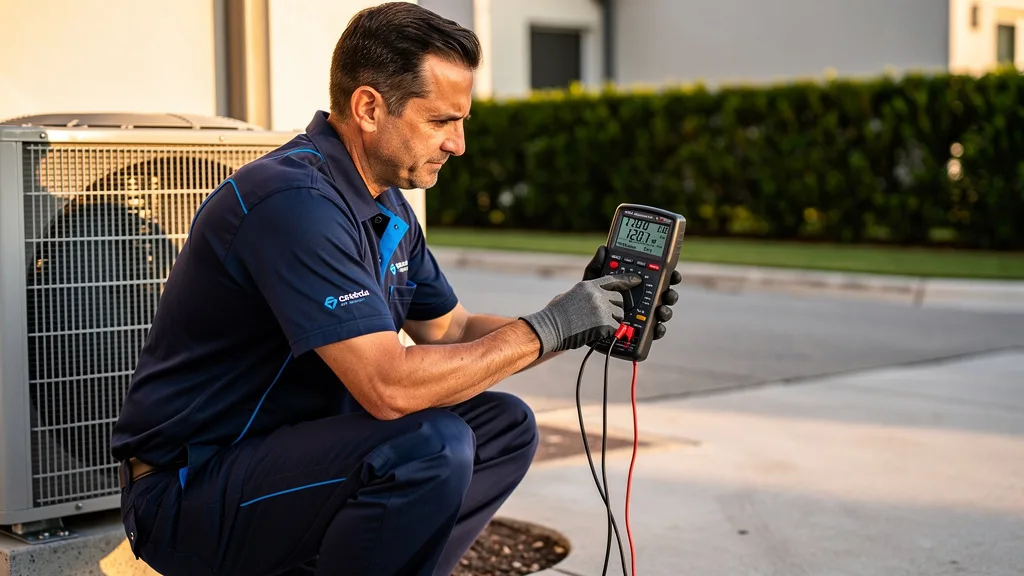
Certain symptoms are immediate red flags that indicate a serious mechanical or electrical failure. Attempting to fix these without the proper knowledge, tools, and safety equipment can lead to expensive mistakes or severe injury. Professional conditioner repair services are equipped to handle these complex situations efficiently and safely.
Signs of a Serious Problem like a Compressor Failure
The compressor is the heart of your air conditioning system, and it is one of the most expensive components to replace. Signs of a failing compressor include a loud buzzing or humming that doesn't lead to the unit starting, or the AC tripping the circuit breaker every time it tries to turn on. You might also notice significantly reduced cooling and strange vibrations.
Compressor replacement is a major job that should only be performed by a qualified professional. They can accurately diagnose whether the compressor itself has failed or if a related component, like the start capacitor, is the true culprit. Do not attempt to work on the compressor yourself.
Suspected Refrigerant or Gas Leaks
Refrigerant, often called Freon or gas, is the chemical that cools the air. If your system is low on refrigerant, it means there is a leak. Signs of a engineers leak detection issue include hissing sounds, ice buildup on the coils, and air that isn't cold. Your AC system is a closed loop, so it should never need a 'gas top up' unless there's a leak.
Handling refrigerant is regulated and requires special certification. It is a hazardous substance that can cause frostbite and other injuries. A professional technician will not only fix the leak but will also safely handle the refrigerant and recharge the system to the manufacturer's specifications. This is not a DIY task under any circumstances.
Electrical Issues and Faulty Capacitors
Many AC failures are electrical in nature. A faulty capacitor, which helps the motors start and run, is a very common problem. While the part itself is inexpensive, replacing it involves working with high-voltage components. A capacitor can hold a powerful electrical charge even when the power is off, creating a serious shock hazard.
Any signs of electrical problems, such as dimming lights when the AC turns on, a burning smell, or frayed wiring, demand immediate professional attention. A certified technician can safely diagnose and repair these issues. For your safety, it's always best to choose a licensed electrician or AC specialist for any work involving your system's wiring.
Finding Emergency AC Repair Services in Dubai
When your AC breaks down in the middle of a hot Dubai night, you need help fast. Not all repair companies offer 24/7 service, and finding a reliable one can be stressful in an emergency. Knowing what to look for ahead of time can help you make a better choice when you're under pressure.
An emergency service should be responsive, transparent, and staffed by qualified professionals. The goal is to get your system back up and running as quickly and safely as possible, with no surprises when it comes to the bill. This is especially important for residents of large properties, as detailed in our comparison of villa vs. apartment maintenance needs.
What to Look for in a 24/7 Repair Company
When searching for emergency day AC repair Dubai, prioritize companies that meet the following criteria:
- 24/7 Availability: True round-the-clock service, including weekends and holidays.
- Certified Technicians: Ensure their engineers are trained and qualified to work on your type of AC unit.
- Transparent Pricing: Look for companies that offer upfront pricing or a clear explanation of their call-out fees and hourly rates.
- Fast Response Time: Ask for an estimated arrival time. A good emergency service will prioritize getting to you quickly.
- Warranty on Work: A reputable company will stand by their repairs with a labor and parts warranty.
- Good Reputation: Check online reviews and testimonials to gauge customer satisfaction.
Average Response Times and Costs
In a major city like Dubai, response times for emergency AC repair can vary. Most reputable companies aim to have a technician at your door within 1-2 hours of your call. During peak summer months, this may be longer, so it's always good to confirm when you book the service.
"In our experience, the most critical factor for customers during an AC emergency is a combination of speed and transparency. They need to know someone is coming quickly and exactly what the initial cost will be. That's why we offer clear, upfront pricing starting from just AED 180 for a call-out, ensuring there are no surprises."
The cost of an emergency repair will include a call-out fee and the cost of labor and any parts needed. Minor repairs like replacing a capacitor might cost a few hundred dirhams, while more significant issues like a fan motor replacement will be more. Always ask for a quote before any work begins. Understanding the potential expenses can be easier if you are familiar with the average AC maintenance costs in Dubai.
Key Takeaways
Navigating an AC failure in Dubai can be manageable if you know what to do. This guide empowers you to handle minor issues while recognizing the signs that require a professional. Here are the most important points to remember:
- Start with the Basics: Always check your power supply and thermostat settings first. These simple checks solve a surprising number of AC problems.
- Maintenance is Key: Regularly cleaning your air filters, coils, and condensate drain line is the best way to prevent breakdowns and ensure efficient cooling.
- Safety First: Always turn off power at the circuit breaker before inspecting or cleaning your AC unit. Never attempt to handle refrigerant or complex electrical components yourself.
- Know When to Call a Pro: Issues like refrigerant leaks, compressor failure, and electrical faults are not DIY jobs. Contact a certified technician for these serious problems to ensure a safe and effective repair.
- Choose a Reliable Service: For emergencies, look for a 24/7 company with certified technicians, transparent pricing, and a solid reputation to get your AC fixed quickly and correctly.
Frequently Asked Questions
How often should I get my AC serviced in Dubai?
Due to the extreme heat and heavy usage, it is highly recommended to have your air conditioning system professionally serviced at least twice a year in Dubai. An ideal schedule includes one service before the peak summer season (around March or April) to ensure it's ready for heavy use, and another service after summer (around October or November) to clean it and check for any wear and tear.
Regular servicing helps maintain efficiency, improve air quality, and catch small problems before they become major, expensive breakdowns. This proactive approach is far more cost-effective than waiting for an emergency repair.
Is it safe to handle AC refrigerant or gas top-ups myself?
No, it is not safe and is illegal for uncertified individuals to handle AC refrigerant. Refrigerant is a hazardous chemical that can cause severe frostbite on contact and is harmful if inhaled. Furthermore, AC systems are sealed, so if your unit is low on gas, it means there is a leak that must be professionally located and repaired.
Only certified and licensed technicians have the proper training and equipment to handle refrigerant safely, repair leaks, and recharge the system to the correct pressure. Attempting a 'gas top up' yourself is dangerous and will not solve the underlying problem.
What does a typical AC maintenance service include?
A comprehensive professional AC maintenance service typically includes a thorough inspection and cleaning of the entire system. Key tasks involve cleaning or replacing air filters, deep cleaning the evaporator and condenser coils, and flushing the condensate drain line to prevent clogs and water leaks. It also includes checking for any potential ac problems.
The technician will also inspect all electrical components, tighten connections, lubricate moving parts like motors and fans, and check refrigerant levels and pressures to ensure optimal performance. This full check-up ensures your unit runs efficiently and safely.
How can I tell if my AC compressor is failing?
The compressor is a critical component, and its failure is a serious issue. One of the clearest signs is when the outdoor unit makes a loud humming, buzzing, or clanking sound when it tries to start, but the fan doesn't spin or it shuts off quickly. Another major red flag is the AC unit repeatedly tripping the circuit breaker.
You may also notice that the air coming from your vents is not cold, even though the indoor fan is running. If you experience any of these symptoms, turn the unit off to prevent further damage and call a professional technician to diagnose the problem.
What is the average cost of a minor AC repair in Dubai in 2026?
In 2026, the cost of a minor AC repair in Dubai typically starts with a call-out or inspection fee, which can range from AED 150 to AED 250. This fee usually covers the technician's travel and initial diagnosis. For a common minor repair, such as replacing a faulty capacitor or cleaning a severely clogged drain line, you can expect the total cost to be between AED 350 and AED 600, including parts and labor.
Prices can vary based on the company, the time of day (emergency call-outs may cost more), and the specific part needed. Always ask for a clear quote from your service provider before authorizing any work to avoid unexpected charges.
Conclusion
By following this troubleshooting guide, you are now better equipped to diagnose and handle the most common AC issues that plague Dubai residents. Simple maintenance like cleaning filters and clearing drain lines can often restore your comfort without the need for a service call. More importantly, you can now recognize the critical warning signs of serious electrical or mechanical failures, ensuring you know exactly when to step back and call for professional help. This knowledge not only saves you time and money but also keeps your home safe.
When DIY fixes aren't enough, or when you're facing an AC emergency, don't hesitate to reach out to our team of certified technicians. We offer transparent, upfront pricing and a 30-day warranty on all our work, ensuring you receive fast, reliable, and professional service across Dubai. Let us take the stress out of your AC problems. You can Book a Service Now and have a technician on the way.
Need certified on-demand property maintenance in Dubai?
Sub-4 hour response SLA • 30-day labor warranty • Upfront pricing from AED 180.