
How to Unclog a Drain in Dubai: Your 2026 DIY Guide
Facing a clogged drain in Dubai? Learn how to unclog a drain without a plumber using our 2026 DIY guide. We cover safe methods and when to call a pro.
Is the water in your sink or shower taking forever to drain, accompanied by unpleasant gurgling sounds? A clogged drain is a common household problem in Dubai, but not every blockage requires an emergency call to a plumber. Many minor clogs can be resolved with simple tools and techniques you can perform yourself, saving you time and money.
You can often clear a simple blockage using boiling water, a plunger, or by manually cleaning the P-trap under the sink. For more stubborn clogs, a drain snake can be an effective tool. However, it's crucial to know which methods are safe for your plumbing and to recognize when a blockage requires professional attention to avoid causing more significant damage. This guide will walk you through the steps for how to unclog a drain in Dubai without calling a plumber and help you identify when it's time to call in the experts.
Key Signs You Have a Clogged Drain
Before a drain becomes completely blocked, it usually provides several warning signs. Recognizing these early can help you address the issue before it escalates into a more serious plumbing problem. Paying attention to how your fixtures behave is the first step in diagnosing a clog.
Slow Draining Water in Sinks or Showers
The most common and earliest sign of a developing clog is water draining more slowly than usual. You might notice this in your kitchen sink after washing dishes, in the bathroom basin while brushing your teeth, or see water pooling around your feet during a shower. This slow drainage indicates a partial blockage is forming within the pipes, restricting water flow.
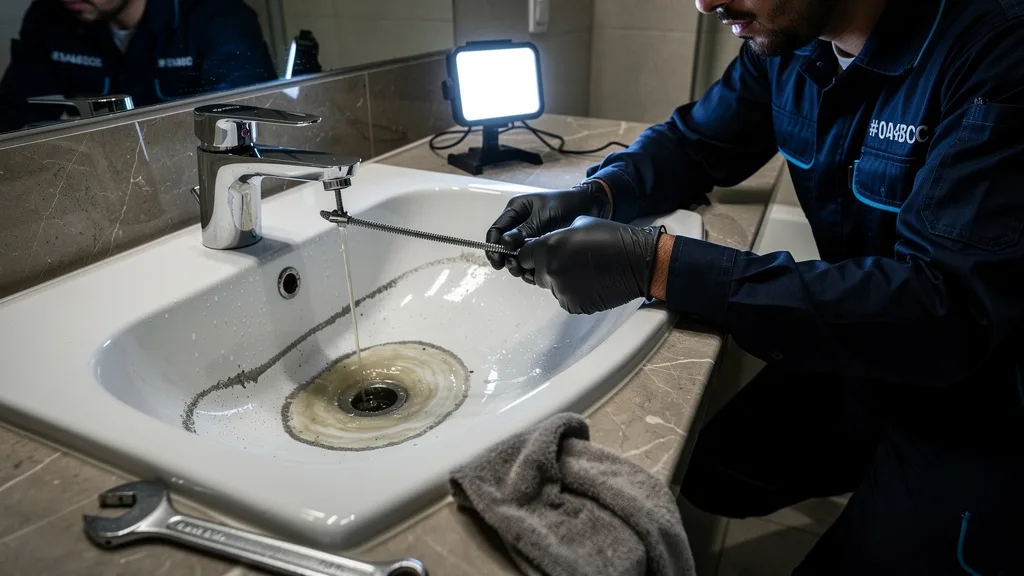
Initially, the slowness might be subtle, but it will typically worsen over time as more debris accumulates. Ignoring a slow draining sink can lead to a complete blockage, making it much harder to clear. Addressing it promptly with simple DIY methods can often prevent a more significant issue from developing.
Gurgling Sounds and Bad Odours
When you hear strange gurgling sounds coming from your drains, it's often a sign of trapped air in the pipes. As water struggles to pass through a partial clog, air bubbles are forced back up, creating a gurgling or bubbling noise. This is common in kitchen sinks where grease and food particles have started to build up.
Along with these sounds, you may notice foul smells emanating from the drain opening. These odours are caused by trapped food particles, hair, and other organic matter decomposing inside the pipe. If your sink or shower drain smells unpleasant, it's a clear indicator that a blockage is trapping waste that needs to be cleared out.
Water Backing Up Into Fixtures
A more severe sign of a clog is water backing up into other fixtures. For example, when you use your washing machine, you might see soapy water backing up into your kitchen sink or shower. This happens when the main drain line shared by these fixtures is blocked, forcing wastewater to find the nearest exit.
This is a serious plumbing issue that often points to a deep or stubborn clog that DIY methods may not resolve. If you experience water backing up, it's a strong indication that you may need professional help. Ignoring this can lead to water damage and unhygienic conditions in your home, which could become a reason to call an emergency plumber.
Common Causes of Blocked Drains in Dubai
In Dubai's unique environment, drains face a specific set of challenges. Understanding the common culprits can help you prevent blockages from happening in the first place. From the fine sand that finds its way into our homes to the types of food waste common in local cuisine, several factors contribute to blocked pipes.
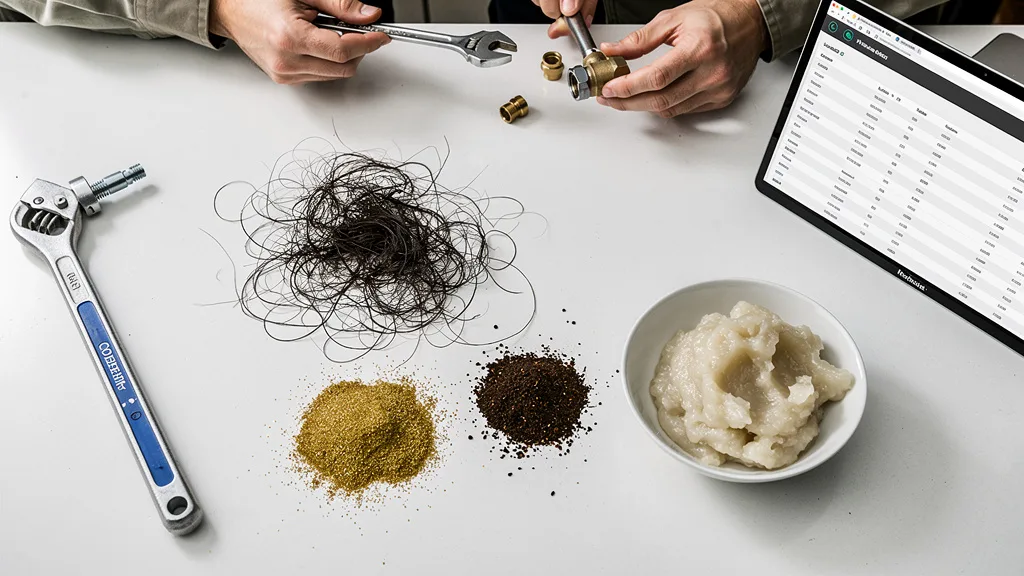
- Grease, Oil, and Fat: Pouring cooking oils and fats down the kitchen sink is a primary cause of clogs. They solidify inside the pipes, trapping food particles and creating stubborn blockages.
- Hair: In showers and bathroom sinks, hair is the main offender. It combines with soap scum to form dense clumps that are difficult to dislodge.
- Food Waste: Coffee grounds, rice, and other food scraps can accumulate and cause blockages, especially in pipes that already have some grease buildup.
- Sand and Silt: A common issue in Dubai, fine sand can be washed down drains from shoes, clothing, or during cleaning, settling in pipes and causing obstructions.
- Soap Scum: Traditional bar soaps can leave a residue that builds up on pipe walls, narrowing the passage for water and catching other debris.
- Foreign Objects: Small items like cotton swabs, dental floss, or children's toys can be accidentally flushed or washed down the drain, causing immediate blockages.
Essential Tools for DIY Drain Cleaning
Before you tackle a clog, having the right tools on hand will make the job much easier and more effective. You don't need a professional plumber's entire toolkit, but a few key items can resolve most common household blockages. These tools are readily available at hardware stores across Dubai.
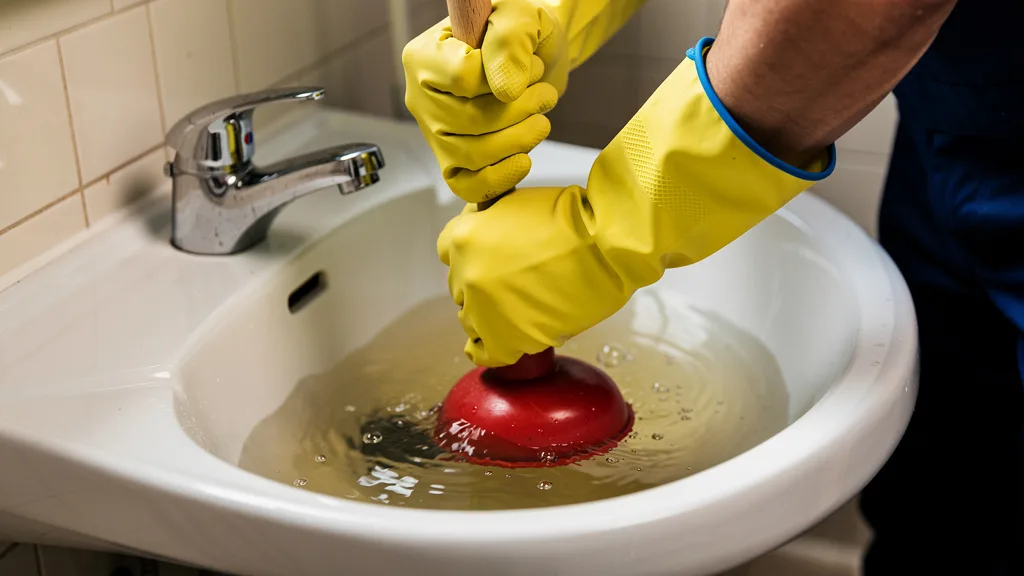
For most minor clogs, a simple cup plunger and a pair of rubber gloves are all you need. For slightly more stubborn issues, a drain snake or auger can be a worthwhile investment. It's also wise to have a bucket and some old towels ready to catch any water or debris, especially if you plan to open the P-trap. Having these basic tools prepared can save you from a frantic trip to the store when a clog occurs.
| Tool | Primary Use | Best For |
|---|---|---|
| Cup Plunger | Creating suction to dislodge clogs | Sinks, showers, and bathtubs |
| Drain Snake (Auger) | Breaking up or pulling out deep clogs | Hair clogs and obstructions further down the pipe |
| Rubber Gloves | Protecting hands from grime and bacteria | All drain cleaning tasks |
| Bucket and Towels | Catching water when opening the P-trap | Manual P-trap cleaning |
| Wrench or Pliers | Loosening slip nuts on the P-trap | Manual P-trap cleaning |
How to Unclog a Drain: Step-by-Step DIY Methods
With the right approach, you can clear many common drain clogs yourself. Always start with the simplest and least invasive method first before moving on to more complex techniques. Remember to wear gloves and work carefully to avoid making a mess or damaging your pipes.
Method 1: Using Boiling Water
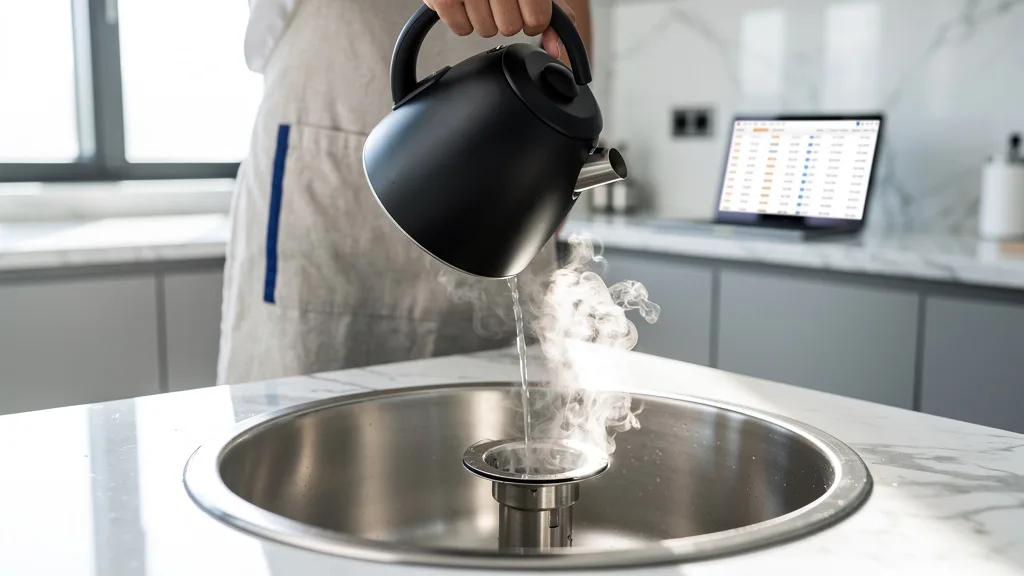
For greasy clogs in the kitchen sink, boiling water is an excellent first step. The heat can melt and dissolve congealed fats that are holding food particles together. Simply boil a full kettle of water and pour it slowly and directly down the drain. Be cautious not to splash yourself.
Pour the water in two or three stages, allowing it to work for a few seconds between each pour. This method is most effective on metal pipes; avoid using boiling water if you have PVC pipes, as extreme heat can soften or damage the joints. If the water starts to drain, flush it with hot tap water to clear any remaining residue.
Method 2: The Plunger Technique
A plunger is a powerful tool for clearing clogs in sinks, showers, and tubs. For a sink, fill it with a few inches of water to cover the plunger's cup, which helps create a seal. If it's a double-basin kitchen sink, block the other drain with a wet cloth to ensure the pressure is directed at the clog.
Place the plunger cup firmly over the drain opening and pump it vigorously up and down for about 20 seconds. You should feel the suction working. After several pumps, pull the plunger away quickly. The sudden release of pressure can be enough to dislodge the blockage. Repeat the process a few times if necessary.
Method 3: Cleaning the P-Trap Manually
The P-trap is the U-shaped pipe under your sink. Its purpose is to hold water to prevent sewer gases from entering your home, but it's also a common spot for clogs to form. To clean it, place a bucket underneath to catch water and debris. Use a wrench or pliers to loosen the slip nuts on each end of the U-bend.
Once loose, remove the P-trap and empty its contents into the bucket. You can use a wire brush or a similar tool to clean out any remaining gunk from inside the pipe. Rinse it thoroughly before reassembling it. Hand-tighten the nuts and then give them a final quarter-turn with the wrench, but be careful not to overtighten and crack the plastic or metal.
Method 4: Using a Drain Snake or Auger
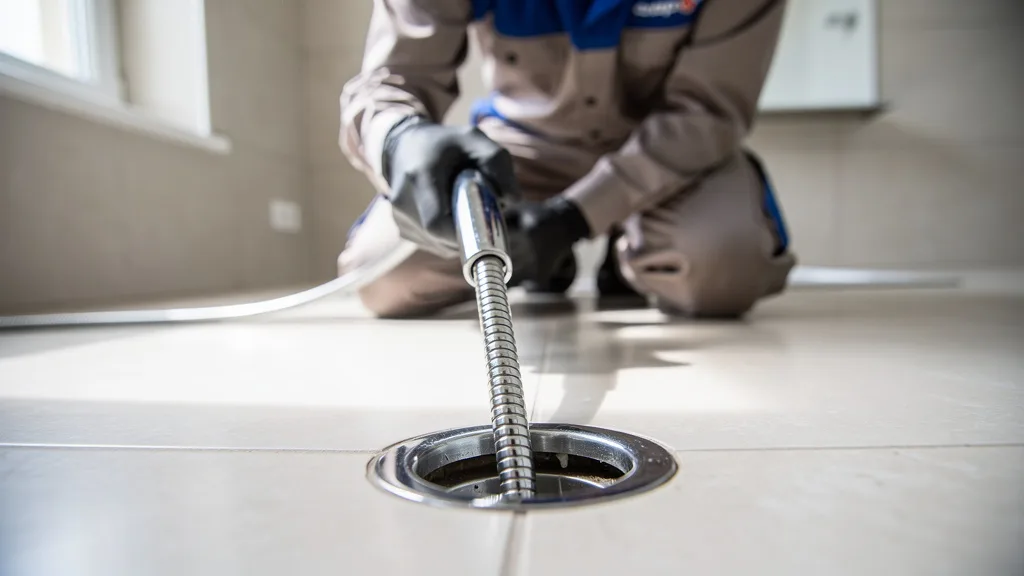
For clogs that are deeper in the pipe, a drain snake is your best tool. This flexible coil can navigate the bends in your pipes to reach and break up or retrieve a blockage. Push the end of the snake into the drain opening and turn the handle as you feed it further into the pipe.
When you feel resistance, you've likely reached the clog. Rotate the snake to either break up the obstruction or hook onto it. If you hook it, slowly pull the snake back out, bringing the clog with it. It may take a few attempts to clear the blockage completely. Once done, flush the drain with hot water.
What to Avoid: Common DIY Drain Cleaning Mistakes
While DIY methods can be effective, certain popular "hacks" and products can do more harm than good. Avoiding these common mistakes will protect your plumbing system from damage and prevent you from making the problem worse. Knowing what not to do is just as important as knowing what to do.
Why You Shouldn't Use Baking Soda and Vinegar
The combination of baking soda and vinegar is a widely circulated home remedy for clogged drains, but its effectiveness is highly exaggerated. The chemical reaction creates a fizzing action that looks impressive, but it has very little power to dissolve the grease, hair, and soap scum that form tough clogs. At best, it might clear a very minor blockage, but it's ineffective against serious obstructions.
The reaction primarily produces water, carbon dioxide, and a small amount of sodium acetate, none of which are strong cleaning agents. Relying on this method often just delays you from using a more effective solution, allowing the clog to worsen. For a reliable solution, mechanical methods like plunging or snaking are far superior.
The Dangers of Harsh Chemical Drain Openers
Liquid chemical drain cleaners available in stores may seem like a quick fix, but they pose significant risks. These highly corrosive products can damage your pipes, especially older metal or PVC plumbing. The heat generated by the chemical reaction can warp plastic pipes and break seals, leading to leaks and costly repairs.
Furthermore, these chemicals are toxic and harmful to both your health and the environment. They can cause severe burns if they splash on your skin and release toxic fumes. If the chemical fails to clear the clog, you are left with a pipe full of corrosive liquid, making it extremely dangerous for anyone, including a professional plumber, to work on the drain afterward.
DIY vs. Professional Drain Cleaning: When to Call an Expert
DIY methods are great for simple clogs, but some situations require the expertise and equipment of a professional. If you've tried multiple DIY techniques without success, or if the problem affects multiple drains in your home, it's time to call for help. Persistent clogs or water backing up are signs of a deeper issue in your main sewer line that a simple drain snake can't reach.
"Knowing when to switch from a DIY approach to calling a professional is key. If a clog resists basic plunging or snaking, or if you suspect a main line issue, calling a certified technician prevents minor problems from turning into major, costly repairs. Our team uses hydro-jetting and camera inspections to solve problems safely and effectively the first time."
Professional plumbers have advanced tools like motorized augers and hydro-jetting equipment that can clear even the most stubborn blockages safely. They can also perform camera inspections to identify the root cause of the problem, such as tree root intrusion or pipe damage. For residents of villas with complex plumbing, professional villa maintenance services are often necessary to address these larger-scale issues.
Choosing a Reliable Drain Cleaning Service in Dubai
When you need to hire a professional, finding a trustworthy and competent service is crucial. In Dubai, look for a company that offers transparent, upfront pricing to avoid surprises. A reputable company will have certified and experienced technicians who can diagnose the problem accurately and recommend the most effective solution.
Check for companies that provide a warranty on their work, as this shows confidence in their service quality. Customer reviews and testimonials are also valuable resources for gauging a company's reliability and professionalism. A dependable service like our drain cleaning Dubai team will respond quickly, use modern equipment, and ensure your plumbing is back in working order with minimal disruption. For more information on professional services, consider resources for Blocked Drain Repair Dubai.
Key Takeaways
Dealing with a clogged drain doesn't always have to be a major headache. By understanding the signs, causes, and proper DIY techniques, you can manage many common blockages on your own. Here are the most important points to remember:
- Act on Early Signs: Address slow drains, gurgling sounds, and bad smells immediately to prevent complete blockages.
- Use the Right Tools: A plunger and a drain snake are effective tools for most common household clogs.
- Start with Simple Methods: Always try boiling water (on metal pipes) or plunging before attempting more invasive procedures like removing the P-trap.
- Avoid Harmful Solutions: Steer clear of ineffective home remedies like baking soda and vinegar, and avoid dangerous chemical drain cleaners that can damage your pipes.
- Know When to Call a Pro: If DIY methods fail, if multiple fixtures are affected, or if water is backing up, it's time to contact a professional service to prevent further damage.
Frequently Asked Questions
What is the fastest way to clear a clogged drain?
The fastest way to clear a simple clog is often with a plunger. It uses water pressure and suction to dislodge blockages quickly and effectively without requiring any disassembly of your plumbing. For greasy kitchen clogs, pouring boiling water down the drain can sometimes work very quickly to dissolve the blockage.
If these methods don't work, the problem may be more severe. A professional service using hydro-jetting can clear almost any clog in a very short amount of time. This method uses high-pressure water to blast through stubborn obstructions and clean the pipe walls thoroughly.
What happens during a professional drain inspection?
During a professional drain inspection, a technician uses a specialized waterproof camera attached to a flexible cable. This camera is fed into your drain pipes, allowing the technician to see a real-time video feed of the inside of your plumbing system on a monitor.
This process helps to pinpoint the exact location and cause of the clog, whether it's grease buildup, a foreign object, tree roots, or a broken pipe. This accurate diagnosis ensures that the correct repair method is used, saving time and preventing unnecessary work. For comprehensive solutions, you can explore services like Drain Cleaning Dubai.
Why does delaying a drain repair cost more?
Delaying a drain repair allows the problem to escalate. A simple, partial clog can trap more debris over time, becoming a complete and stubborn blockage that is much harder to remove. This can lead to increased pressure in your pipes, potentially causing cracks or leaks.
Furthermore, persistent clogs can lead to water backing up, which can cause significant water damage to your floors, walls, and cabinets. The cost of repairing this secondary damage is always much higher than the cost of a simple drain cleaning service. Prompt action is the most cost-effective approach.
Are chemical drain cleaners safe for apartment plumbing?
No, chemical drain cleaners are generally not recommended for apartment plumbing. In a multi-story building, the plumbing systems are interconnected and often complex. The harsh chemicals can damage pipes not just in your unit but also in the building's main lines, potentially causing widespread issues.
Many building maintenance agreements in Dubai prohibit the use of these corrosive chemicals. If a clog is severe, it's much safer for the entire building's infrastructure to report it to building management or call a professional plumber who can use safe, mechanical methods to clear it.
How often should drains be professionally cleaned?
For most residential properties, it's a good idea to have drains professionally cleaned every one to two years as a preventative measure. This is especially true for kitchen drains that handle a lot of grease and food waste. Regular cleaning helps prevent the buildup that leads to major clogs.
If you have an older home, experience frequent clogs, or run a commercial kitchen, you may benefit from more frequent cleanings, such as annually or even semi-annually. Preventative maintenance is a key part of an annual maintenance contract (AMC) and can save you from unexpected emergencies.
Conclusion
Successfully tackling a clogged drain in your Dubai home can be empowering, and with the right knowledge, many minor blockages are well within your ability to fix. By following the safe, step-by-step DIY methods outlined in this guide, you can restore flow to your pipes without immediate professional help. The key is to act early, use the correct mechanical tools, and strictly avoid harmful chemicals that can cause long-term damage to your plumbing system.
However, it's equally important to recognize the limits of DIY. For stubborn, recurring, or multi-fixture blockages, a professional assessment is the safest and most effective path forward. If you've tried these methods and the clog persists, don't hesitate to reach out to our certified technicians. We offer transparent pricing and a 30-day warranty to get your drains flowing freely again. Book a Service Now.
Need certified on-demand property maintenance in Dubai?
Sub-4 hour response SLA • 30-day labor warranty • Upfront pricing from AED 180.