
Why Your Breaker Keeps Tripping in Dubai: Top Causes 2026
Experiencing frequent power cuts? Learn the top causes for why your breaker keeps tripping in Dubai, from circuit overloads to faulty wiring.
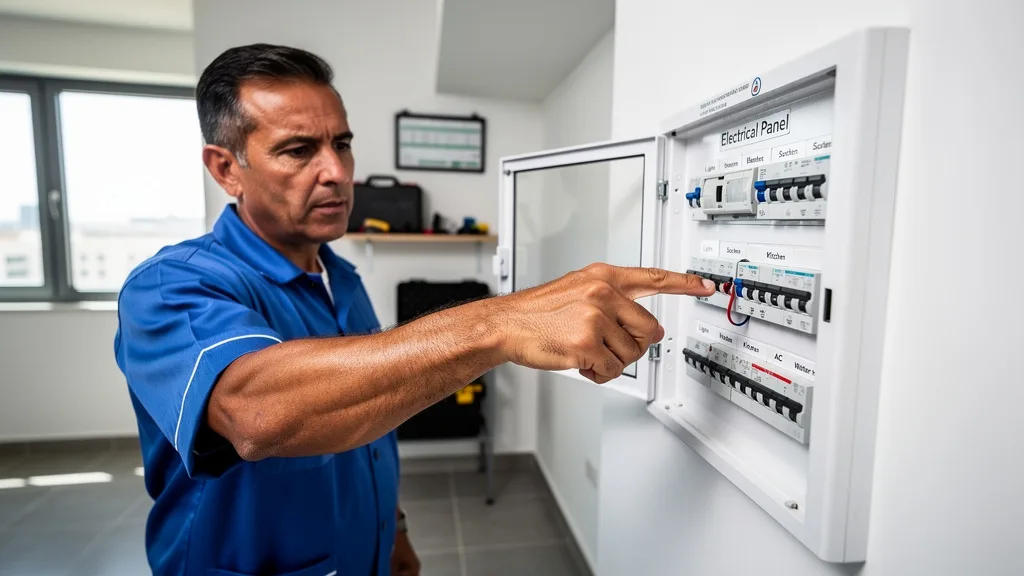
Is there anything more frustrating than your power cutting out just as the air conditioning is working its hardest on a sweltering Dubai afternoon? A tripping circuit breaker is a common annoyance for residents, but it's more than just an inconvenience. It's a critical safety warning from your electrical system that something is wrong. Understanding the root cause is essential for protecting your home and appliances.
The most common reasons why your breaker keeps tripping in Dubai include circuit overloads from high-power appliances like AC units, dangerous short circuits due to wiring issues, and ground faults that pose a shock risk. These issues are often intensified by the region's unique climate, including extreme heat and airborne dust. Identifying the specific cause, whether it's a faulty device or a problem with the panel itself, is the first step toward a safe and permanent solution.
Understanding the Role of Your Circuit Breaker
Before diving into the problems, it's important to appreciate your circuit breaker's function. Think of it as a vigilant guardian for your home's electrical system. Its sole purpose is to protect your wiring from damage and prevent electrical fires. It constantly monitors the amount of electrical current flowing through a circuit. If it detects a current that is dangerously high, it automatically trips, or shuts off, to interrupt the flow of electricity.
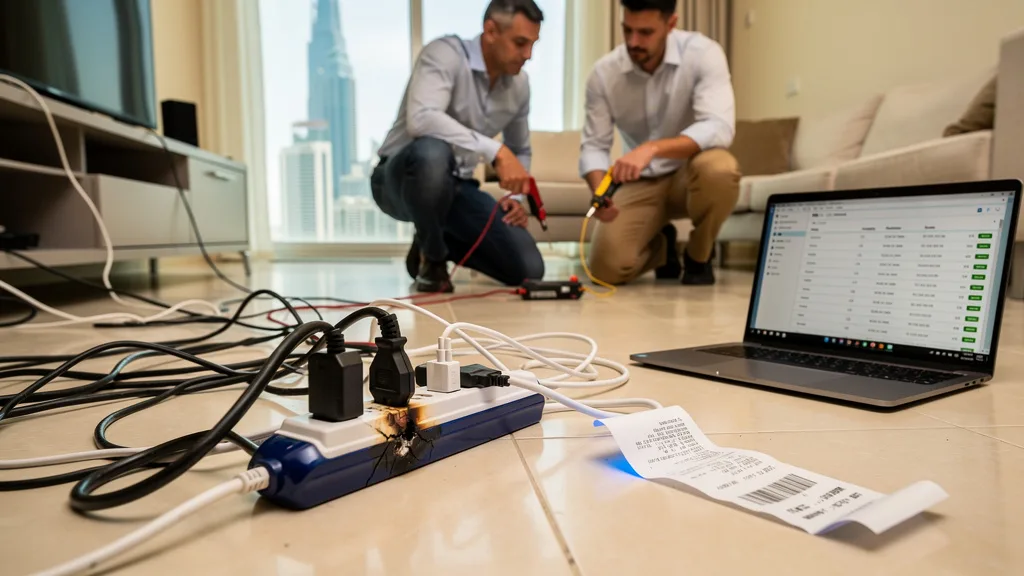
This tripping action prevents the circuit's wires from overheating, which could melt the wire insulation and ignite surrounding materials like wood or insulation. While it may feel like a nuisance when the lights go out, a breaker that trips is actually doing its job perfectly. A breaker that *doesn't* trip under fault conditions is the real danger. Therefore, when your breaker trips repeatedly, it's not a sign the breaker is bad, but rather a persistent signal that an underlying issue needs to be resolved.
Top 5 Common Causes for a Tripping Breaker
When a breaker trips, it's almost always due to one of a few common electrical problems. Identifying which one you're facing can help you determine whether it's a simple fix or if you need to call a professional. Below are the five most frequent culprits behind a persistently tripping breaker in your Dubai home or villa.
Circuit Overloads: Too Much Power Demand
A circuit overload is the most common reason for a breaker trip. This happens when you try to draw more electricity than a circuit is designed to handle. Every circuit in your home is rated for a specific amperage, or amount of electrical current. For example, if you plug a high-power air cooler, a microwave, and an electric kettle into the same kitchen circuit and run them all at once, you will likely exceed the circuit's limit and cause the breaker to trip.
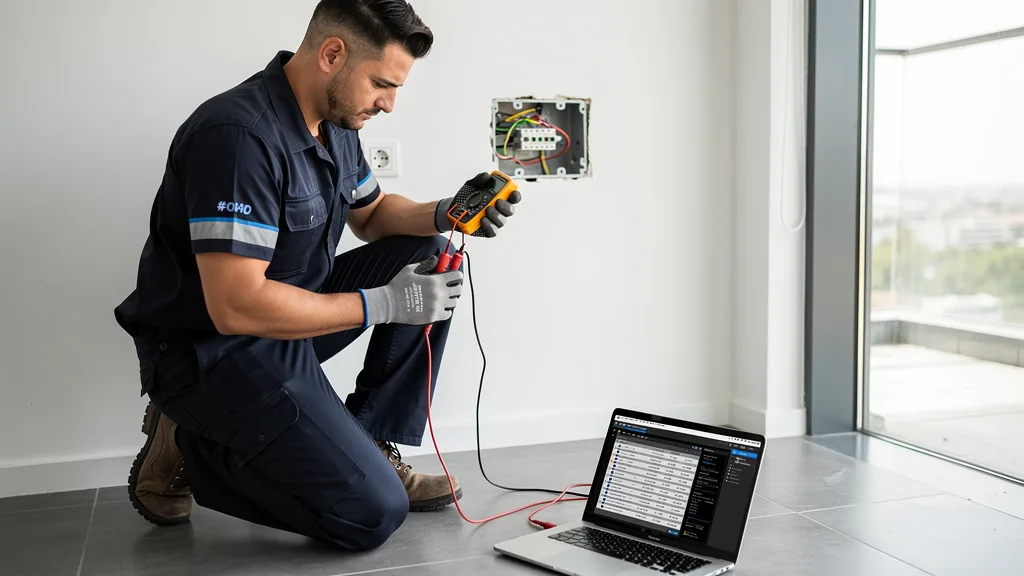
In Dubai, this is frequently caused by heavy air conditioning use, especially when multiple units are on a single circuit. The solution is to redistribute your appliances to different circuits. Avoid using too many high-power devices at the same time on one circuit. If overloads happen frequently even with careful management, your home may have too few circuits for your power needs, which might require a panel upgrade or the addition of new dedicated circuits by a qualified electrician.
Short Circuits: A Serious Wiring Problem
A short circuit is a more serious and potentially dangerous issue than an overload. It occurs when a hot wire (carrying the current) touches a neutral wire. When this happens, a massive amount of current flows through the circuit, creating intense heat almost instantly. The breaker's job is to trip immediately to prevent this surge from causing a fire.
Short circuits can be caused by several factors, including old or damaged wiring, loose connections, or pests chewing through wire insulation. You might hear a pop or see sparks when the short occurs. If you suspect a short circuit, do not simply reset the breaker. A burning smell or discoloration around an outlet or switch are clear warning signs. This condition requires immediate attention from a certified professional electrician to locate and repair the faulty wiring safely.
Ground Faults: A Critical Safety Interruption
A ground fault is a specific type of short circuit. It happens when a hot wire comes into contact with a ground wire or a grounded part of an appliance or electrical box. This creates an alternate path for electricity to flow to the ground, which can be extremely dangerous if a person comes into contact with the faulty component, as the current could travel through their body.
To protect against this, modern homes in areas like kitchens, bathrooms, and outdoor spaces are equipped with Ground Fault Circuit Interrupters (GFCIs), either as special outlets or as GFCI breakers in the panel. These devices are incredibly sensitive and will trip with even a tiny amount of current leakage, long before a standard breaker would. If a GFCI outlet or breaker trips, it indicates a potentially life-threatening fault that needs to be addressed immediately.
Faulty Appliances: Identifying the Problem Device
Sometimes, the problem isn't with your home's wiring but with a specific appliance you're plugging into it. Appliances with internal electrical faults, such as frayed cords, bad motors, or faulty heating elements, can cause short circuits or ground faults, leading to a tripped breaker as soon as they are turned on.
The easiest way to diagnose a faulty appliance is through a process of elimination. After a trip, unplug everything from the affected circuit. Reset the breaker. If it stays on, plug in and turn on your appliances one by one. The one that causes the breaker to trip again is the culprit. Once identified, that appliance should be repaired or replaced before being used again.
A Worn-Out Breaker or Electrical Panel
Circuit breakers themselves can wear out over time. They are mechanical devices with internal springs and contacts that can weaken after years of service or after tripping many times. A weak breaker may trip even when the electrical load is well within the safe limit, becoming overly sensitive. Conversely, and more dangerously, an old breaker can fail to trip during an actual overload or short circuit.
If a breaker feels warm to the touch, looks discolored or burnt, or will not stay in the 'on' position even with nothing plugged into the circuit, the breaker itself is likely faulty. Replacing a circuit breaker is not a DIY job; it involves working inside a live electrical panel and must be performed by a licensed electrician to ensure safety and compliance with local regulations. An expert can also assess the health of your entire electrical panel, which is crucial for older properties.
Dubai-Specific Factors: Why Heat and Dust Matter
While the core electrical principles are universal, living in Dubai presents unique environmental challenges that can increase the frequency of breaker trips. The combination of intense heat, high humidity, and pervasive dust can put extra strain on electrical systems, making them more susceptible to the common faults mentioned above.
"In our 2026 service calls, we've found that a significant number of persistent breaker trips in Dubai summers are linked to overworked AC units or dust accumulation in older electrical panels. It's a problem unique to our climate that requires regular professional maintenance to manage effectively."
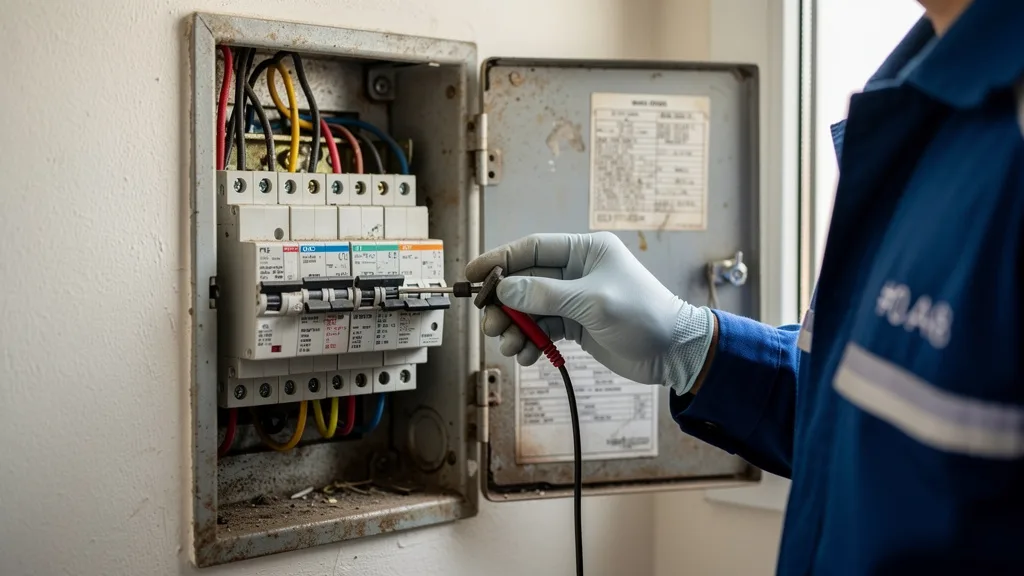
Intense Air Conditioning Use During Peak Heat
The single biggest electrical load in most Dubai homes during the summer is the air conditioning system. Running multiple AC units for extended periods during peak heat from May to September places a constant, heavy demand on your electrical circuits. If the AC units are on a circuit that also powers other devices, it can easily lead to a circuit overload.
Furthermore, an AC unit with dirty filters or low refrigerant has to work much harder, drawing more current and increasing the risk of a trip. This is why understanding how often you should service your AC is crucial for preventing electrical issues. A well-maintained unit runs more efficiently and is less likely to overload its circuit.
High Humidity and Condensation Issues
Dubai's coastal location means high humidity is a fact of life for much of the year. This moisture in the air can be detrimental to electrical systems. Condensation can form inside electrical panels, junction boxes, and outdoor units, especially where there's a significant temperature difference between a cool interior and the hot, humid exterior.
Moisture is a conductor of electricity and its presence where it doesn't belong can lead to short circuits and ground faults. This is particularly a risk for outdoor lighting, pool equipment, and external power outlets. Ensuring that all outdoor electrical enclosures are properly sealed and weatherproof is essential to prevent moisture-related breaker trips.
Sand and Dust Penetrating Electrical Panels
The fine sand and dust characteristic of the region can find its way into everything, including electrical panels and components. Over time, a layer of dust can accumulate inside a breaker box. This dust can act as an insulator, trapping heat and causing breakers to overheat and trip unnecessarily.
In a worst-case scenario, if the dust becomes moist from humidity, it can become conductive and create pathways for short circuits. Regular inspection and cleaning of your main electrical panel by a professional is a wise preventative measure, especially in villas or properties with outdoor panels exposed to the elements. This is a key part of comprehensive villa maintenance in Dubai.
What to Do Immediately When Your Breaker Trips
When you're suddenly left in the dark, it's easy to feel flustered. However, following a calm, methodical process can help you restore power safely and potentially identify the cause. Here are the three steps to take right after a breaker trips.
Step 1: Safely Inspect and Reset the Breaker
First, locate your main electrical panel, often found in a utility closet, storeroom, or garage. Bring a flashlight if the area is dark. Open the panel door and look for the breaker switch that is out of line with the others. It will typically be in the 'off' position or in a middle position between 'on' and 'off'.
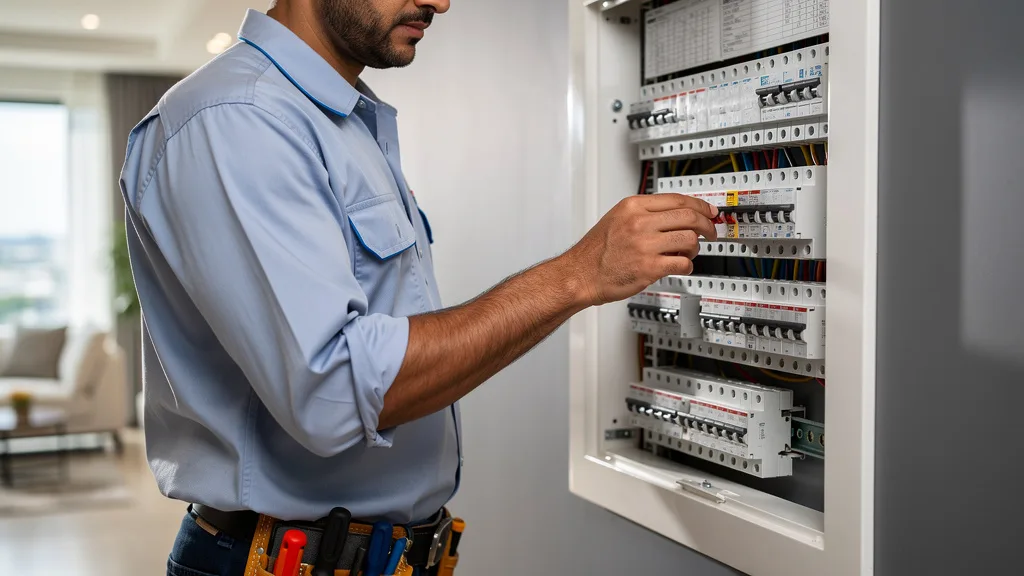
Before touching anything, visually inspect the panel for any signs of damage, such as black marks, melted plastic, or a burning smell. If you notice any of these, do not touch the panel and call an electrician immediately. If everything looks normal, reset the breaker by pushing it firmly to the 'off' position and then back to the 'on' position. If you are planning a trip, it's good to know your home is safe; you can Visit Dubai with peace of mind.
Step 2: Unplug Appliances to Isolate the Cause
If the breaker trips again immediately after you reset it, you likely have a short circuit. If it stays on for a moment and then trips, you probably have a circuit overload. In either case, the next step is to go to the area of your home that lost power and unplug every single appliance, lamp, and electronic device from the outlets on that circuit.
This process removes all potential sources of the fault from the circuit. By creating a 'clean slate', you can determine if the problem lies within your home's wiring or with one of the devices you were using. Be thorough and unplug everything, including power strips and extension cords.
Step 3: Test the Circuit Methodically
With everything unplugged, return to the panel and reset the breaker one more time. If it now stays on, the problem is almost certainly one of the devices you unplugged, not the house wiring. If it still trips with nothing plugged in, the fault is in the wiring itself, such as a faulty outlet or a short circuit within the walls. This requires a professional electrician.
If the breaker stays on, you can begin plugging your devices back in one by one. Wait a moment after plugging each one in and turning it on. The device that causes the breaker to trip is the faulty one. That appliance should be set aside for repair or disposal. If no single device trips the breaker, you likely had a simple circuit overload from running too many things at once.
When to Stop and Call a Professional Electrician
While a one-off trip from an overloaded circuit is usually not a major concern, there are several red flags that indicate a serious electrical problem requiring professional help. Attempting to fix these issues yourself is dangerous and can lead to electric shock or fire. It's time to call a certified electrician in Dubai if you experience any of the following: Dubai home or villa.
- The breaker trips repeatedly and you cannot identify a faulty appliance or overload situation.
- You smell a burning odor coming from the electrical panel or any outlet.
- You see sparks, smoke, or scorch marks on the panel, outlets, or switches.
- The breaker feels hot to the touch, which indicates a bad connection or a failing breaker.
- The breaker will not reset or trips instantly, even with everything on the circuit unplugged.
- Lights flicker or dim frequently, especially when a large appliance like an AC turns on.
- You hear buzzing or humming sounds coming from the electrical panel.
Key Takeaways
Navigating the issue of a tripping breaker in Dubai requires understanding both general electrical principles and local environmental factors. Here are the most important points to remember:
- A Tripping Breaker is a Safety Feature: It's not a faulty part; it's a device successfully protecting your home from overloads, short circuits, and potential fires.
- Identify the Cause: The most common causes are circuit overloads (too many devices), short circuits (faulty wiring), ground faults (shock hazard), and faulty appliances.
- Dubai's Climate is a Factor: Intense AC use in the summer heat is a primary driver for overloads, while humidity and dust can cause shorts and panel damage.
- Follow a Safe Reset Procedure: Inspect the panel first, then reset. If it trips again, unplug all devices on the circuit before trying again to isolate the cause.
- Know When to Call a Pro: Do not ignore warning signs like burning smells, hot breakers, or frequent, unexplained trips. These require immediate professional attention to ensure your safety.
| Cause | Severity | Recommended Action |
|---|---|---|
| Circuit Overload | Low | Unplug devices and redistribute load. Reset breaker. |
| Faulty Appliance | Medium | Isolate and unplug the faulty device. Repair or replace. |
| Worn-Out Breaker | High | Call a certified electrician for replacement. |
| Ground Fault | Very High (Shock Risk) | Do not reset. Call an electrician immediately. |
| Short Circuit | Very High (Fire Risk) | Do not reset. Call an electrician immediately. |
Frequently Asked Questions
Is a circuit breaker that keeps tripping dangerous?
Yes, a circuit breaker that keeps tripping is a sign of a potentially dangerous underlying condition. While a single trip from an overload is common, frequent trips indicate a persistent problem like a short circuit or faulty wiring, which are significant fire and electrical shock hazards. It is crucial to investigate the root cause rather than repeatedly resetting the breaker.
Can I replace a faulty circuit breaker myself in Dubai?
No, you should never attempt to replace a circuit breaker yourself. This is a hazardous job that involves working inside a live electrical panel. In Dubai and across the UAE, electrical work must be performed by a licensed and certified professional to ensure it is done safely and up to code. Incorrect installation can lead to fire, injury, or even death.
How can I prevent my AC from tripping the breaker in the summer?
The best way to prevent your AC from tripping the breaker is through regular professional maintenance. Ensure filters are cleaned or replaced monthly and schedule a full service at least once a year. A technician will clean the coils, check refrigerant levels, and inspect electrical connections. This helps the unit run efficiently, draw less power, and avoid overloads. You can explore options like an annual maintenance contract for consistent care.
What does a burning smell from my breaker box mean?
A burning smell from your breaker box is an emergency. It indicates that a wire or a breaker is overheating to the point of melting its plastic insulation, which is an immediate fire hazard. If you detect this smell, do not open the panel. If you can do so safely, turn off the main breaker that shuts off power to the entire property and call a professional electrician for emergency service immediately.
How often is it considered normal for a breaker to trip?
In a properly functioning electrical system, a breaker should trip very rarely, if ever. An occasional trip once or twice a year due to accidentally plugging in too many high-power devices might be considered acceptable. However, if a breaker trips monthly, weekly, or daily, it is not normal. This frequency points to a serious, unresolved issue that needs professional diagnosis.
Conclusion
Understanding why your breaker keeps tripping in Dubai is the first step toward ensuring your home's electrical safety. It's a clear signal that your system is protecting you from a problem, whether it's a simple overload, a faulty appliance, or a more dangerous wiring issue like a short circuit. Ignoring these warnings by repeatedly resetting a troublesome breaker is never the solution and can lead to significant risks.
By learning to identify the signs of different electrical faults and recognizing the unique impact of Dubai's climate, you can make more informed decisions. Simple steps like managing appliance use can solve minor overload issues, but for anything more persistent or alarming, the only safe choice is professional intervention. The integrity of your electrical system is fundamental to the safety of your home and family, a fact underscored by the official platform of the UAE government for Dubai itself.
Don't let a recurring electrical issue compromise your safety or peace of mind. If you're facing a breaker that won't cooperate, or you notice any warning signs like burning smells or buzzing sounds, it's time to stop guessing and bring in an expert.
Our team of certified and licensed electricians is ready to diagnose and resolve your electrical problems safely and efficiently. We offer transparent pricing and a 30-day warranty on our work, giving you confidence in the solution. Protect your property and ensure your electrical system is safe and reliable. Book a Service Now to have a professional technician inspect your system.
Need certified on-demand property maintenance in Dubai?
Sub-4 hour response SLA • 30-day labor warranty • Upfront pricing from AED 180.