
AC Repair Dubai: 7 Signs Your Compressor Is Failing in 2026
Is your AC blowing warm air? Learn the 7 key signs your AC compressor is failing. Get expert AC repair in Dubai to stay cool in the 2026 heat.
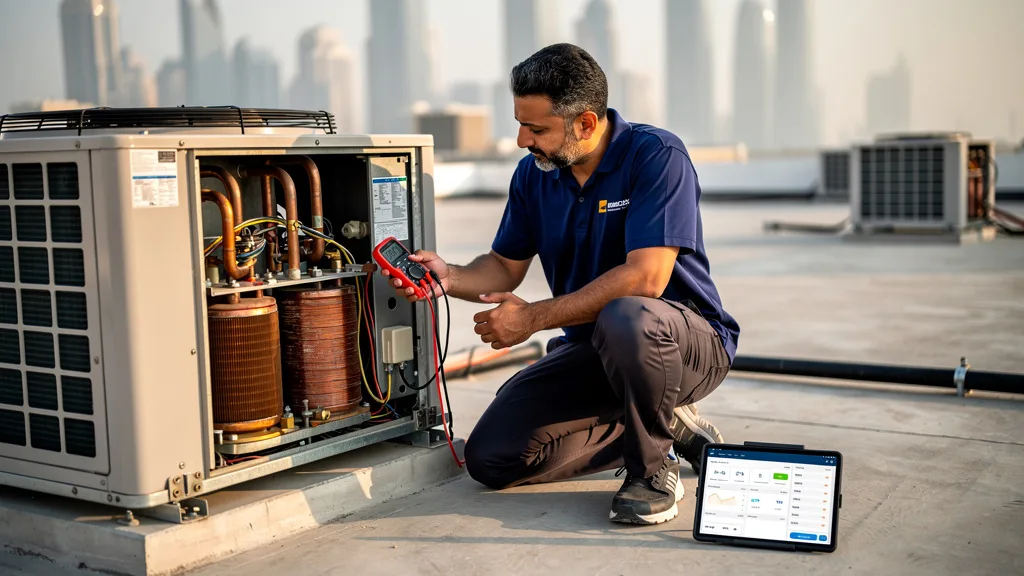
Is your air conditioner struggling to keep up with the Dubai heat, leaving you in an uncomfortably warm home? The problem could be the heart of your system: the AC compressor. Ignoring the warning signs can lead to more extensive damage and costly repairs, but catching them early can save you time, money, and discomfort.
The most common signs of a failing AC compressor include the unit blowing warm air, making strange noises, frequently tripping the circuit breaker, and producing weak airflow. You might also notice fluid leaks around the outdoor unit or your system turning on and off too quickly. Recognizing these symptoms is the first step toward a fast and effective solution.
How to Know If Your AC Compressor Is Failing
Your AC compressor is a vital component, responsible for circulating refrigerant throughout the system to cool your home. When it starts to fail, your AC's performance will decline noticeably. In Dubai's climate, a fully functional air conditioner isn't a luxury; it's a necessity. Understanding the symptoms of a failing compressor helps you know when to call for professional AC Repair Dubai: Signs Your Compressor Is Failing are often subtle at first but become more obvious over time.
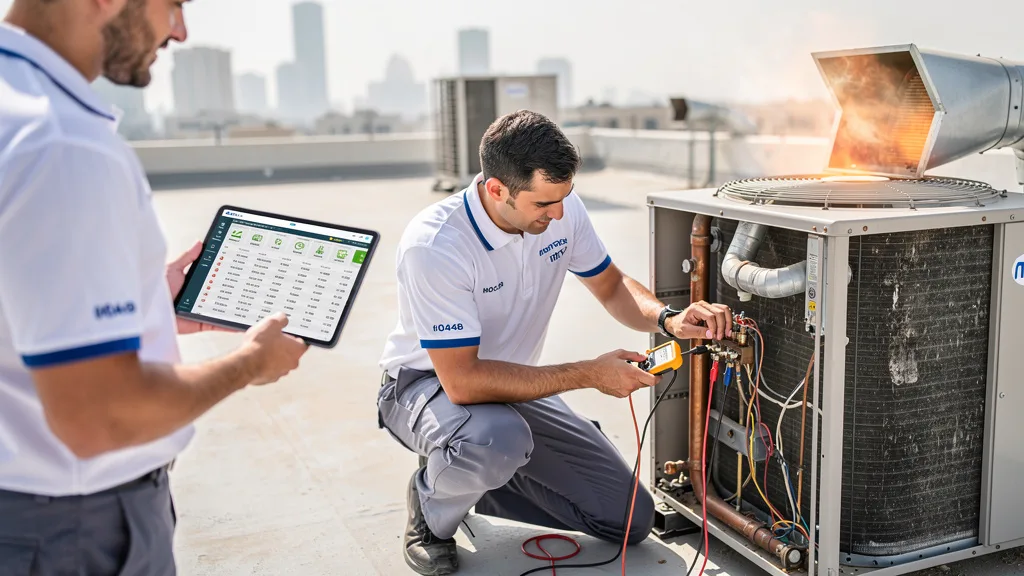
Paying attention to changes in your AC's operation is key. A problem with the compressor will manifest in several ways, from the temperature of the air it produces to the sounds it makes. By learning to spot these issues, you can arrange for a timely inspection and avoid being caught without cooling during a heatwave. This proactive approach ensures your home remains a comfortable sanctuary from the outdoor heat.
Sign 1: The AC Blows Warm or Lukewarm Air
The most unmistakable sign of a compressor issue is when your AC unit starts blowing warm or room-temperature air instead of cool air. The compressor's job is to pressurize the refrigerant, which is essential for the cooling cycle. If the compressor is damaged or failing, it cannot properly circulate and compress the refrigerant, leading to a lack of cool air coming from your vents.
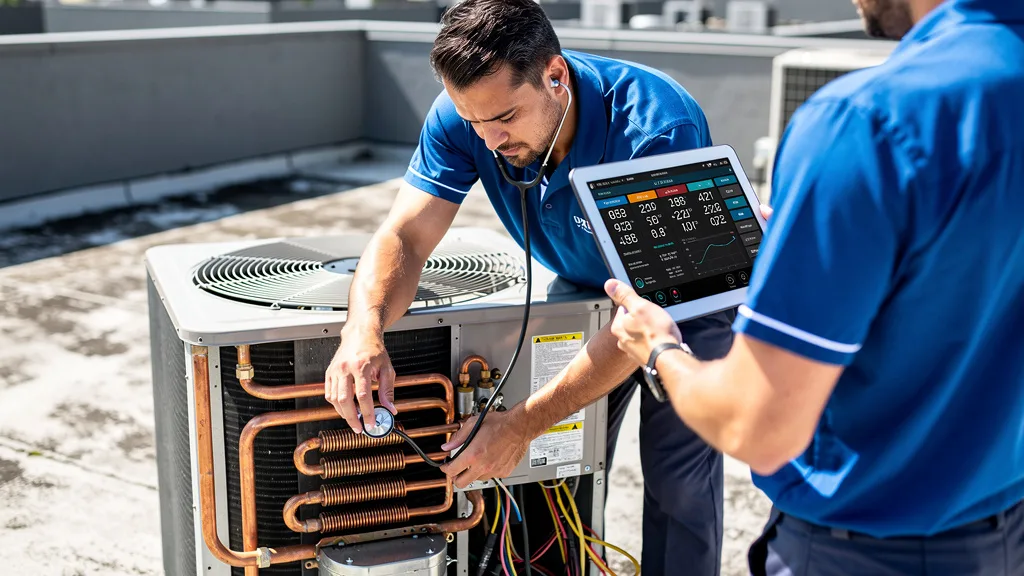
Before assuming the worst, check your thermostat settings to ensure it's on 'cool' and set to a low temperature. If the settings are correct but you're still getting warm air, the compressor is a likely culprit. This problem will not resolve itself and requires immediate attention from a certified technician to diagnose the root cause, which could range from a refrigerant leak to complete mechanical failure of the compressor.
Sign 2: Unusual Noises From the Outdoor Unit
Your AC system should operate with a consistent, low hum. If you start hearing loud or strange noises coming from the outdoor unit, where the compressor is housed, it's a major red flag. Different sounds can indicate different problems with the compressor or its related components.
Listen for specific unusual noises. A loud rattling or banging could suggest loose parts inside the compressor, while a high-pitched squealing or hissing noise often points to a refrigerant leak or dangerously high internal pressure. A grinding sound can indicate that the motor's bearings are worn out. These are not normal operational sounds and signal that the compressor is under severe strain and could fail completely if not addressed.
Sign 3: Your Circuit Breaker Trips Repeatedly
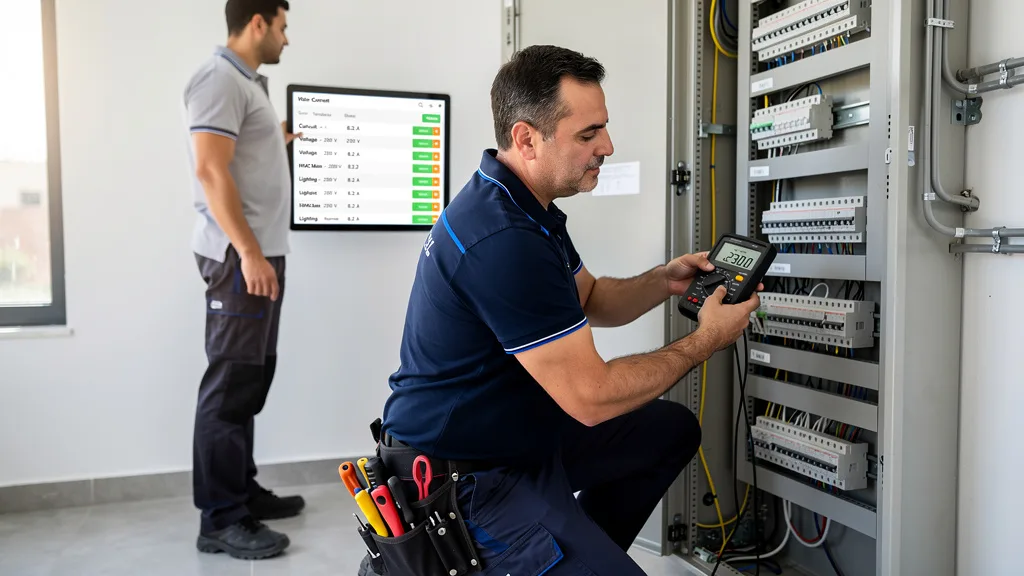
While an occasional circuit breaker trip can happen, if the breaker connected to your AC unit trips frequently, it's a serious warning sign. This often happens when the compressor is overheating or drawing too much power to start up. A struggling compressor motor works harder than it should, causing an electrical overload that trips the breaker to prevent damage or a fire.
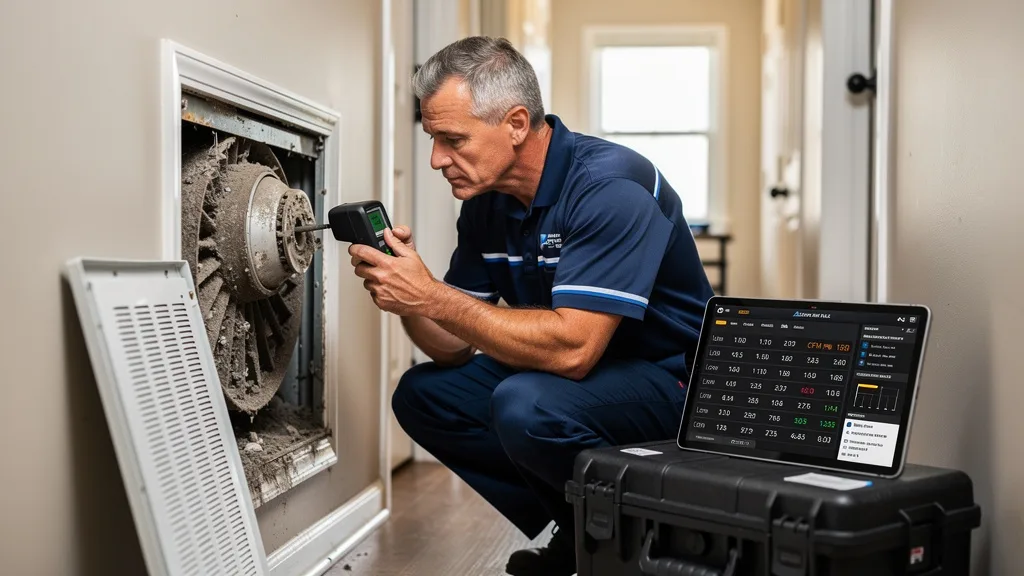
This issue could be caused by a failing compressor, damaged wiring, or a faulty capacitor. Do not simply keep resetting the breaker without investigating the cause. Continuous overloads can damage the compressor beyond repair and pose a significant safety hazard. A professional technician can perform an electrical diagnosis to determine if the ac compressor is the source of the power surge and recommend the appropriate fix.
Sign 4: Weak Airflow Coming From the Vents
In addition to the air temperature, you should also pay attention to the airflow. If you notice that the air coming out of your vents is weaker than usual, it could be another symptom of a failing compressor. While weak airflow is often associated with clogged filters or blocked ductwork, a struggling compressor can also fail to push enough cooled air through the system.
When the compressor isn't functioning at full capacity, the entire system's performance suffers. This reduction in efficiency can manifest as a noticeable drop in the force of the air blowing from your vents. If you've already cleaned or replaced your air filters and the problem persists, it's time to have a professional inspect the compressor and other key components of your HVAC system.
Sign 5: Moisture or Refrigerant Leaks Near Your Unit
Any sign of fluid leaking from your air conditioning system should be taken seriously. While a small amount of water condensation is normal, especially in Dubai's humid climate, puddles of fluid or oily residue around the outdoor unit are not. The compressor contains refrigerant, which is a chemical essential for cooling. A leak in the refrigerant lines connected to the compressor is a common point of failure.
If you see a leak, it's crucial to identify if it's water or refrigerant. Refrigerant is typically a greasy, odorous substance. A refrigerant leak not only stops your AC from cooling but is also harmful to the environment. This is one of the clearest warning signs that you need immediate professional service. A technician can locate the source of the leak and determine if a compressor repair is possible or if a replacement is necessary. AC maintenance and repair.
Sign 6: Your AC System Is Short Cycling
Short cycling is when your AC turns on and off in rapid succession without completing a full cooling cycle. A normal cycle should last for at least 10 minutes, allowing the system to cool your space effectively. If your unit runs for only a few minutes before shutting off, only to turn back on again shortly after, it's a sign of a serious problem.
This erratic behavior can be caused by several issues, including an oversized unit, a faulty thermostat, or a failing compressor. A compressor that is overheating or has an electrical issue may shut down prematurely to protect itself. Short cycling is incredibly inefficient, drives up energy costs, and puts immense strain on all components of your AC, leading to premature failure of the entire system. You can learn more about the differences between common issues in our guide to AC repair vs. regular service.
Sign 7: Unexpectedly High Electricity Bills
A sudden and unexplained spike in your electricity bill is often an early indicator of an AC problem. As the compressor begins to fail, it loses efficiency and has to work much harder and longer to cool your home. This increased effort translates directly into higher energy consumption.
If your usage habits haven't changed but your DEWA bill has jumped, your AC is a prime suspect. Compare your recent bills to those from the same period last year. A significant increase suggests an underlying efficiency problem. A struggling compressor is one of the most common causes of this energy drain, making a professional inspection a smart financial decision. Understanding the potential expenses can also be helpful; check out our guide on how much AC maintenance costs in Dubai.
AC Compressor Repair vs. Replacement: Making the Call
When faced with a failing compressor, you'll need to decide between repair and replacement. This decision depends on several factors, including the age of your AC unit, the extent of the damage, and the overall cost. A professional diagnosis from a certified technician is essential to provide you with the information needed to make the best choice for your home and budget. AC ready for summer.
Making an informed decision can save you from future headaches and expenses. Sometimes a simple repair is all that's needed, while other times, investing in a replacement is the more cost-effective solution in the long run. Consider the pros and cons of each option carefully.
When to Consider Repair
A compressor repair may be a viable option if the problem is relatively minor and the rest of your AC system is in good condition. For instance, issues with external components like capacitors, relays, or wiring can often be fixed without replacing the entire compressor. If the unit is relatively new (less than 5-7 years old) and still under warranty, a repair is almost always the preferred route.
Repair is also a good choice if the cost of the fix is significantly less than half the cost of a new compressor or a new AC unit. A qualified technician can diagnose whether the failure is electrical or mechanical. Electrical issues are often repairable, but severe internal mechanical damage, such as a burnt-out motor, typically makes replacement the only practical solution.
When Replacement Is the Smarter Choice
Replacement becomes the better option when the compressor has suffered major mechanical failure or when the AC unit is old and inefficient. If your system is over 10-12 years old and uses outdated refrigerant like R-22, investing in a major repair is often not wise. A new compressor in an old system can put stress on other aging components, leading to a cascade of failures.
Furthermore, if the cost of the repair is more than 50% of the cost of a brand-new, energy-efficient AC unit, replacement offers better long-term value. A new system will come with a full warranty, improved efficiency that lowers your electricity bills, and the peace of mind that comes with modern, reliable technology. This is a key part of avoiding unreliable services, as discussed in our article on how to spot AC repair scams.
| Factor | Consider Repair If... | Consider Replacement If... |
|---|---|---|
| Age of AC Unit | Less than 8 years old | Over 10-12 years old |
| Warranty Status | Compressor is still under warranty | Warranty has expired |
| Repair Cost | Less than 50% of replacement cost | More than 50% of replacement cost |
| Type of Damage | Minor electrical issue (e.g., capacitor, wiring) | Major internal mechanical failure (e.g., burnt motor) |
| System Efficiency | Unit is still relatively energy-efficient | Unit is inefficient or uses outdated R-22 refrigerant |
Key Takeaways
Staying ahead of AC problems is crucial for comfort in Dubai. Recognizing the signs of a failing compressor can help you act fast and avoid a complete system failure during the hottest months. Here are the most important points to remember:
- Listen and Feel: Warm air and unusual noises from the outdoor unit are the most direct signs of compressor trouble.
- Watch for Electrical Issues: A circuit breaker that trips repeatedly is a serious safety and performance warning.
- Monitor Performance: Weak airflow, short cycling, and sudden spikes in your electricity bill all point to a struggling and inefficient system.
- Check for Leaks: Any fluid other than minor condensation requires immediate professional attention to prevent further damage.
- Repair vs. Replace: Base your decision on the unit's age, warranty, repair cost, and the extent of the damage. For older units, replacement is often the more economical long-term choice.
"In Dubai's demanding climate, the AC compressor works harder than almost anywhere else. Proactive maintenance and paying attention to early warning signs for AC repair are not just about comfort; they are about preventing costly, catastrophic failures."
Frequently Asked Questions
What are the main causes of AC compressor failure in Dubai?
In Dubai, the primary causes of AC compressor failure are the intense heat, which forces units to run almost constantly, and airborne contaminants like dust and sand that can clog coils and filters. This strain leads to overheating. Other common causes include electrical failures from power surges, lack of regular maintenance, and refrigerant leaks that cause the compressor to run without proper lubrication.
Regular servicing helps mitigate these factors by ensuring the system is clean, refrigerant levels are correct, and electrical components are functioning properly. Neglecting maintenance is one of the fastest ways to shorten a compressor's lifespan in this climate. For more information, read our guide on how often you should service your AC in Dubai.
Is it worth repairing an AC compressor?
Whether it's worth repairing an AC compressor depends on the age of the unit, the cost of the repair, and the nature of the problem. If the AC unit is relatively new (under 8 years) and the repair cost is less than 50% of a new unit's price, repair is often a good choice. Minor issues like a faulty capacitor or relay are inexpensive to fix.
However, if the unit is old, out of warranty, and requires a major mechanical overhaul, replacement is usually the more cost-effective solution. A new compressor in an old system may cause other parts to fail, leading to more repairs down the line. A professional technician can provide a detailed quote to help you decide.
How long does an AC compressor typically last?
An AC compressor in a well-maintained system can last between 10 to 15 years. However, in a harsh climate like Dubai's, the lifespan can be closer to the lower end of that range, around 8 to 12 years, due to the extreme heat and heavy year-round usage. Longevity is heavily dependent on the quality of the unit and the consistency of its maintenance schedule.
Regularly cleaning coils, changing filters, and ensuring proper refrigerant levels can significantly extend the life of your compressor. Conversely, a neglected unit may fail in as little as 5 to 7 years. Professional annual maintenance is the best investment to maximize your compressor's lifespan.
Can a failing compressor damage other parts of the AC system?
Yes, a failing compressor can cause a chain reaction of damage to other parts of your AC system. For example, if the compressor breaks down mechanically, it can release metal contaminants and acidic sludge into the refrigerant lines. This debris can clog the expansion valve and damage the coils, leading to a much more expensive and complex repair.
Furthermore, an electrically failing compressor can cause power surges that damage control boards and other sensitive electronics. This is why it's crucial to address compressor issues as soon as you notice the first warning signs. Shutting the system down and calling a professional can prevent a single component failure from turning into a full system replacement.
How much does AC compressor repair cost in Dubai?
The cost of AC compressor repair in Dubai can vary widely, from a few hundred dirhams for a minor electrical fix like replacing a capacitor to several thousand for a full compressor replacement. The final price depends on the AC unit's brand, size, the specific problem, and whether the unit is still under warranty. A simple service call starts from AED 180 to diagnose the issue.
For a precise quote, it is essential to have a certified technician inspect the unit. At PropertyMaintenanceUAE.com, we provide transparent, upfront pricing after our diagnosis, so you know the exact cost before any work begins. You can review our consolidated home maintenance pricing guide for more details on our rates.
Conclusion
Recognizing the seven key signs of a failing AC compressor is essential for every Dubai resident. From warm air and strange noises to frequent breaker trips and high energy bills, these symptoms are your system's way of asking for help. Addressing these issues promptly with professional AC repair in Dubai not only restores your comfort but also prevents more extensive and costly damage to your entire cooling system. By being proactive, you can ensure your home remains a cool oasis throughout the year.
If you're experiencing any of these warning signs, don't wait for a complete breakdown. Our certified technicians are ready to diagnose the problem with transparent pricing and provide a reliable solution. Keep your home comfortable and your AC running efficiently. Book a Service Now.
Need certified on-demand property maintenance in Dubai?
Sub-4 hour response SLA • 30-day labor warranty • Upfront pricing from AED 180.