
How to Fix a Running Toilet in Dubai: Save Water & Money
Learn how to fix a running toilet in Dubai with our 2026 DIY guide. Find common causes, repair costs, and when to call a professional plumber to save water.
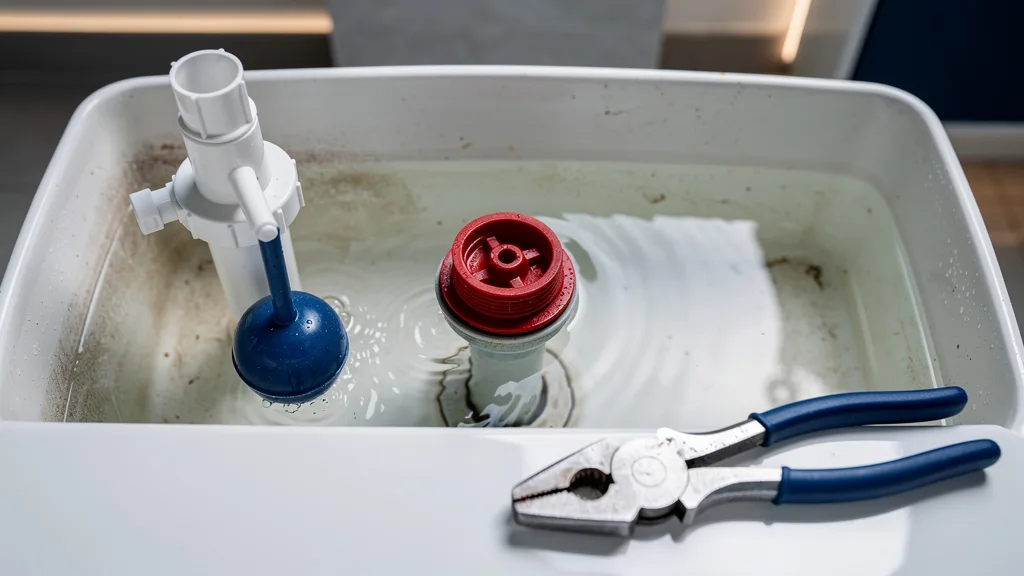
Is that constant hissing sound from your bathroom driving you mad and inflating your DEWA bill? A running toilet is more than just an annoyance; it's a significant source of water waste that can cost you hundreds of dirhams each year. Knowing how to diagnose and handle the issue is essential for any Dubai resident.
For a quick running toilet repair in Dubai, the most common culprits are a faulty flapper, an incorrectly set float, or a malfunctioning fill valve. You can often resolve these issues yourself by inspecting and replacing these inexpensive parts. However, for persistent leaks or problems related to Dubai's hard water, calling a certified plumber ensures a lasting solution and prevents further water waste.
Common Causes of a Constantly Running Toilet
That relentless sound of water trickling in your toilet tank, long after you've flushed, points to an internal leak. Water from the tank is seeping into the bowl, and the fill valve is constantly trying to replace it. Identifying the specific cause is the key to an effective and affordable fix.
Faulty Flapper or Worn-Out Seal
The most frequent cause of a running toilet is a degraded flapper. This rubber or plastic seal at the bottom of the tank lifts when you flush and is supposed to create a watertight seal when it drops back down. Over time, hard water minerals and cleaning chemicals can cause the flapper to warp, crack, or become brittle, preventing it from sealing properly.
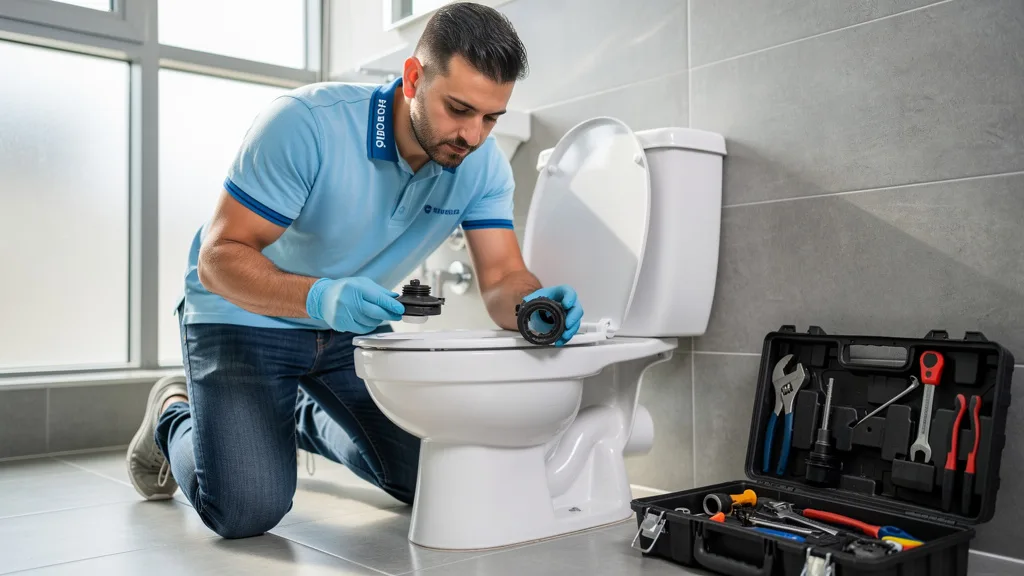
A simple test is to add a few drops of food coloring to the tank water. Wait about 20-30 minutes without flushing. If you see colored water appear in the toilet bowl, you have a leaky flapper that needs replacement. This is a common issue that a professional can fix quickly, but it's also a manageable DIY project for many homeowners.
Incorrect Water Level or Float Height
The float is a device that senses the water level in the tank and tells the fill valve when to shut off. If the float is set too high, the water level will rise above the overflow pipe, causing a continuous, slow drain into the bowl. This creates a constant cycle of the tank refilling itself.
There are two main types of floats: a ball float on a metal arm and a more modern cup float that slides up and down the fill valve shaft. Adjusting the height of either type can often solve the problem. The correct water level should be about one inch below the top of the overflow pipe.
Leaking or Malfunctioning Fill Valve
The fill valve (or ballcock) is the tall assembly that refills the tank with water after a flush. These valves have internal seals and components that can wear out over time, leading to leaks. A faulty fill valve might fail to shut off completely, allowing water to keep running, or it might leak water from the top or base.
You can often hear a hissing or gurgling sound from the fill valve itself if it's the problem. Sometimes, debris from the water supply can get trapped inside, preventing it from closing. While cleaning it might work, replacing the entire fill valve assembly is often the most reliable long-term solution.
Stuck or Damaged Flush Handle Assembly
Sometimes the problem is as simple as a flush handle that gets stuck in the down position. This can cause the flapper to remain slightly open, allowing water to leak continuously. The chain connecting the handle's lever to the flapper could also be the issue.
If the chain is too short, it will prevent the flapper from sealing. If it's too long, it can get caught underneath the flapper, breaking the seal. Ensure the handle moves freely and the chain has just a little bit of slack when the flapper is closed.
A Step-by-Step DIY Guide to Stop Your Running Toilet
With a few basic tools and a little patience, you can tackle many common toilet leaks yourself. Before you begin, it's helpful to have an adjustable wrench, a pair of pliers, a sponge, and a bucket on hand. Replacement parts like a flapper or a new fill valve are readily available at local hardware stores across Dubai.
Step 1: Turn Off the Water Supply and Empty the Tank
First, locate the water supply valve, which is usually on the wall behind or beside the toilet. Turn the valve clockwise to shut off the water flow. Once the water is off, flush the toilet to drain as much water from the tank as possible. Use a sponge to soak up any remaining water at the bottom of the tank.
Step 2: Inspect the Flapper and Fill Valve for Damage
With the tank empty, you can get a clear look at the components. Examine the flapper for any signs of warping, bubbling, or cracking. Gently run your finger along the flush valve seat (where the flapper rests) to feel for any rough spots or mineral buildup that could be preventing a good seal. Next, check the fill valve for visible cracks or leaks.
Step 3: Adjust the Toilet Float to the Correct Level
If the flapper seems fine, the water level might be the issue. For a ball float, you can gently bend the metal arm downwards to lower the water level. For a column-style float cup, there's usually an adjustment screw or clip that you can move to lower the float's shut-off position. The goal is to have the water stop filling about an inch below the overflow pipe.
Step 4: Check the Refill Tube and Chain Length
Ensure the small refill tube, which runs from the fill valve to the overflow pipe, is positioned correctly. It should be aimed down into the pipe, not stuck too far down, which could siphon water from the tank. Finally, check the chain connecting the flush lever to the flapper. It should have only about half an inch of slack. Adjust its length by moving the clip to a different link if necessary.
Dubai-Specific Plumbing Challenges to Consider
While the basic mechanics of a toilet are universal, residents in Dubai face unique environmental factors that can accelerate wear and tear on plumbing fixtures. Understanding these challenges can help you perform more effective maintenance and know when a professional touch is required.
How Hard Water in Dubai Affects Toilet Mechanisms
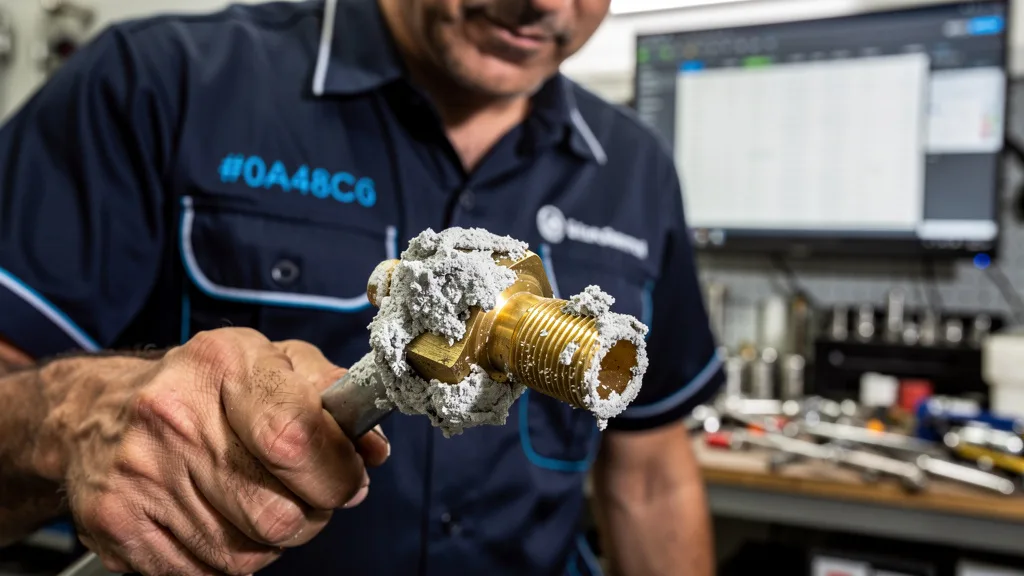
Dubai's water supply, primarily from desalination, is known for its high mineral content, commonly referred to as hard water. These minerals, like calcium and magnesium, can build up over time, creating limescale deposits on crucial toilet components. This buildup can cause the flapper to become stiff and prevent it from sealing, clog the small water jets under the rim of the bowl, and seize up the moving parts of the fill valve.
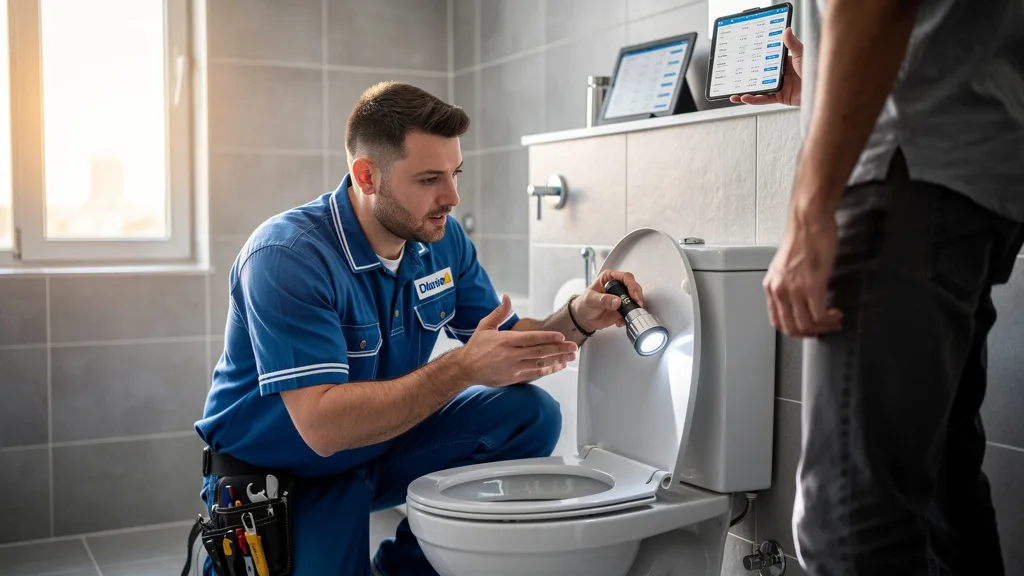
Regular cleaning can help manage this, but severe buildup may require professional descaling or component replacement. This is a key reason why parts may fail more frequently in Dubai compared to regions with softer water. Discussing preventative measures, like regular water tank cleaning, can also improve the quality of water entering your fixtures.
Common Plumbing Issues in Dubai Apartments
Living in a high-rise building presents its own set of plumbing challenges. Water pressure can vary significantly depending on which floor you live on. High water pressure can put extra stress on toilet fill valves and seals, causing them to fail prematurely. Conversely, low pressure can lead to incomplete flushing and refilling cycles.
Additionally, plumbing systems in large buildings are interconnected. An issue in another apartment can sometimes affect your system. If you've tried all the standard fixes and the problem persists, it may be related to the building's central plumbing, requiring a certified plumber with experience in strata and apartment maintenance.
DIY Toilet Repair vs. Hiring a Professional Plumber in Dubai
Deciding whether to grab your tools or call for help can be tricky. While a DIY fix can save you money on minor issues, attempting a complex repair without the right skills can lead to bigger problems and even water damage. Here's a breakdown to help you choose.
"A simple flapper replacement is a great DIY task. But if you're dealing with a persistent leak, a faulty shut-off valve, or you suspect high water pressure, calling a certified technician is the safest and most cost-effective decision in the long run. A professional can diagnose the root cause, not just the symptom."
When a DIY Fix Is a Smart Choice
You can confidently handle a toilet repair yourself if the problem is straightforward and easily identifiable. These situations typically include:
- Replacing a worn-out flapper: This is the most common fix and usually requires no tools.
- Adjusting the float arm or chain: These are simple mechanical adjustments.
- A stuck flush handle: Tightening or repositioning the handle is a simple task.
For these jobs, the cost of parts is minimal, and the repair can often be completed in under 30 minutes. It's similar in difficulty to other common household tasks, like learning how to fix a leaking tap in Dubai, which can also save you money and water.
Signs You Need to Call an Expert Immediately
It's time to put down the wrench and call a professional plumber when you encounter more complex symptoms. Attempting to fix these without expertise can lead to flooding and costly damage. Call for help if you see:
- Water pooling around the base of the toilet: This could indicate a failed wax ring seal, a serious issue.
- The shut-off valve won't turn or is leaking: A broken valve can cause a major flood.
- You've replaced the parts and the toilet still runs: This suggests a more complex issue, like a cracked overflow pipe or a problem with the flush valve seat.
- You're unsure about the cause of the leak: A professional diagnosis will save you time and the cost of replacing the wrong parts.
| Aspect | DIY Repair | Professional Plumber |
|---|---|---|
| Cost | AED 20 - AED 100 (for parts) | AED 180 - AED 450+ (parts and labor) |
| Time | 30 minutes to 2 hours | 30 to 60 minutes |
| Best For | Simple issues: flapper, chain, float adjustment | Complex leaks, broken valves, unknown causes, cracked porcelain |
| Tools Required | Basic hand tools (wrench, pliers) | Professional-grade tools and diagnostic equipment |
| Warranty | None (risk of incorrect installation) | Typically includes a 30-day labor warranty |
Estimated Cost to Fix a Running Toilet in Dubai for 2026
Understanding the potential cost is crucial when budgeting for home maintenance. In 2026, the cost to fix a running toilet in Dubai depends on whether you do it yourself or hire a professional service. A DIY repair is the most budget-friendly option, with replacement parts like a flapper or a fill valve kit typically costing between AED 20 and AED 100 from local hardware stores.
For a professional service call, expect costs to start from AED 180 for a basic diagnosis and simple repair, which covers the call-out fee and initial labor. If more complex parts like the entire flush mechanism or fill valve need replacement, the total cost can range from AED 250 to AED 450 or more, including parts and labor. Always opt for a company that provides upfront, transparent pricing to avoid surprises.
Choosing the Right Emergency Plumber for Toilet Repairs
When you need a professional, especially in an emergency, it's important to choose a reliable and qualified service. Not all plumbing services in Dubai offer the same level of quality or transparency. Making the right choice ensures the job is done correctly and protects you from future issues.
What to Look for in a Reliable Plumbing Service
When searching for a plumber, prioritize companies that demonstrate professionalism and trustworthiness. Key factors to consider include:
- Certified and Licensed Technicians: Ensure the plumbers are properly trained and licensed to work in Dubai.
- Transparent Pricing: Look for companies that offer clear, upfront pricing without hidden fees. A fixed price for a standard job is a good sign.
- Labor Warranty: A reputable service will stand by its work, typically offering a 30-day warranty on labor.
- Positive Customer Reviews: Check online reviews on Google and other platforms to gauge customer satisfaction and reliability.
- 24/7 Availability: For emergencies, having access to a service that operates around the clock is essential.
Finding a trustworthy tradesperson is key, whether for plumbing or electrical work. The principles for choosing a licensed technician apply across all home services.
Questions to Ask Before Booking a Repair
Before you commit to a service, take a few minutes to ask some important questions. This will help you verify their credibility and understand the scope of the service.
- What is your call-out fee and what does it include?
- Do you provide a cost estimate before starting the work?
- Are your technicians certified and insured?
- What kind of warranty do you offer on your repairs?
- How soon can a technician arrive?
A professional company will be happy to answer these questions clearly. Vague answers or an unwillingness to provide details should be considered a red flag.
Key Takeaways
Fixing a running toilet is one of the most impactful home repairs you can make, saving both water and money. Here are the most important points to remember from this guide:
- A running toilet is most often caused by a faulty flapper, incorrect float level, or a failing fill valve.
- Many common issues can be fixed with simple DIY steps, such as replacing the flapper or adjusting the float and chain.
- Dubai's hard water can cause mineral buildup that accelerates the wear of toilet components, requiring more frequent checks.
- For complex problems, leaks at the base of the toilet, or if a DIY fix fails, it is crucial to call a professional certified plumber immediately to prevent water damage.
- Professional repair costs in Dubai for 2026 typically start from AED 180, and choosing a service with transparent pricing and a labor warranty is essential.
Frequently Asked Questions
What are the top-rated toilet repair kits available in the UAE?
In the UAE, you can find reliable toilet repair kits from well-known international brands at major hardware stores like ACE Hardware or Carrefour. Brands such as Fluidmaster are highly recommended for their universal all-in-one kits, which often include a new fill valve and flapper. Geberit is another top brand, especially for concealed cisterns common in many modern Dubai apartments.
When choosing a kit, make sure it is compatible with your toilet model. It's helpful to take a picture of your toilet's internal mechanism before you go to the store to ensure you purchase the correct parts for your repair.
Can a running toilet significantly increase my DEWA bill?
Absolutely. A constantly running toilet can be one of the biggest sources of hidden water waste in a home. According to water conservation experts, a single leaking toilet can waste over 200 gallons (more than 750 liters) of water per day. In Dubai, this can lead to a significant and unexpected increase in your monthly DEWA bill, potentially adding hundreds of dirhams if left unfixed.
Fixing the leak promptly is not just about stopping an annoying noise; it's a critical step in managing your utility costs and conserving water, a precious resource in the region.
How can I tell if my toilet is running silently?
Some toilet leaks are too quiet to hear, especially in a busy household. The best way to check for a silent leak is with the food coloring test. Add a few drops of dark food coloring into the toilet tank and wait for 20-30 minutes without flushing the toilet.
If you see any of the colored water appearing in the toilet bowl, it confirms that water is leaking from the tank, likely through a faulty flapper. This simple test can help you catch a leak early before it shows up as a major expense on your DEWA bill.
How long does a typical toilet repair in Dubai take?
The duration of a toilet repair depends on the complexity of the issue. For a professional plumber, a simple and common repair like replacing a flapper or adjusting the float mechanism can be completed in as little as 20 to 30 minutes. A more involved job, such as replacing the entire fill valve and flush valve assembly, may take around 45 to 90 minutes.
If the problem involves removing the toilet to replace the wax ring seal at the base, the job could take up to two hours. A reputable company will be able to give you a more accurate time estimate after diagnosing the specific problem.
Are there water-saving toilets recommended for Dubai homes?
Yes, installing a water-saving toilet is an excellent long-term strategy for reducing water consumption in Dubai. Modern dual-flush toilets are highly recommended. These models have two buttons or a split handle, allowing you to choose between a partial flush for liquid waste and a full flush for solid waste. This can reduce water usage by up to 67% compared to older, single-flush models.
When renovating or replacing a toilet, look for models with a high water efficiency rating. Brands like TOTO, RAK Ceramics, and Kohler offer a wide range of efficient models that are well-suited for Dubai homes and comply with local green building regulations.
Conclusion
Tackling a running toilet is a proactive step towards a more efficient and cost-effective home. By understanding the common causes and knowing when to attempt a DIY fix versus when to call a professional, you can prevent significant water waste and avoid a shocking DEWA bill. Whether it's a simple flapper replacement or a more complex valve issue, addressing the problem quickly is the key to maintaining your home's plumbing and your peace of mind.
If you've tried the DIY steps and the water is still running, or if you prefer the assurance of a professional repair, our certified technicians are ready to help. We offer transparent, upfront pricing and a 30-day warranty on all plumbing work, ensuring the job is done right the first time. Don't let a small leak turn into a big problem. Book a Service Now.
Need certified on-demand property maintenance in Dubai?
Sub-4 hour response SLA • 30-day labor warranty • Upfront pricing from AED 180.