
AC Repair Dubai: A Guide to Dealing with a Noisy Unit
Is your AC making noise? Our 2026 guide for Dubai homeowners explains what each sound means and when to call for professional AC repair service.
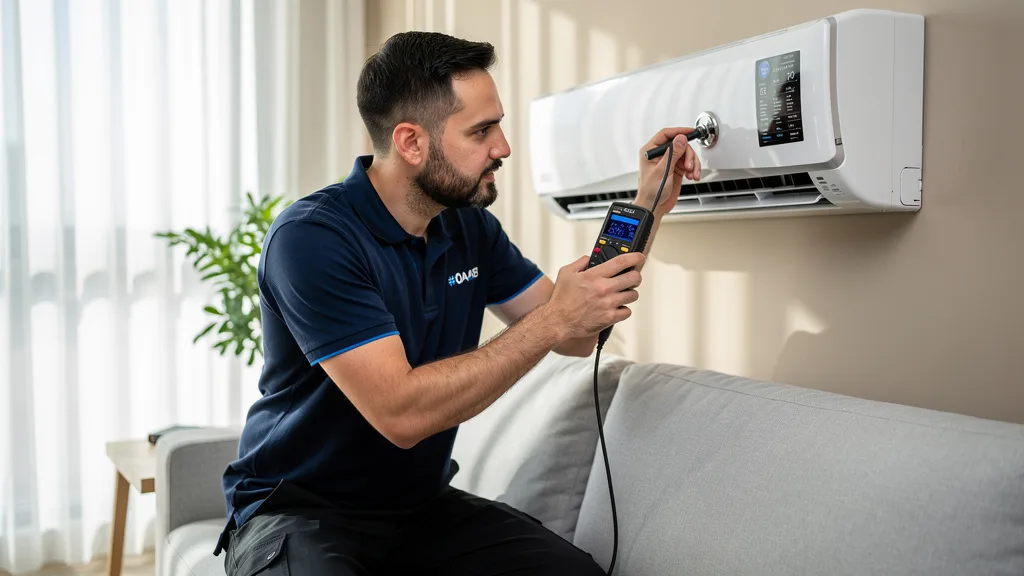
Is that strange new sound from your air conditioner keeping you up at night? In Dubai's heat, a fully functional AC isn't a luxury, it's a necessity. Unusual noises are often the first sign that your system needs attention, and ignoring them can lead to more significant, costly problems. Understanding what these sounds mean can help you decide whether it's a simple fix or time to call for professional AC repair Dubai: How to Deal with a Noisy unit is a common concern for residents.
A noisy air conditioner can indicate issues ranging from a loose part to a failing compressor. Common sounds like banging, hissing, grinding, or buzzing each point to different potential problems. While some minor rattling can be fixed with simple DIY checks, loud or persistent noises, especially grinding or squealing, require immediate professional inspection to prevent system failure and ensure your safety. This guide will help you decode those sounds and take the right action.
Decoding Your AC: What Each Noise Means in Dubai
An air conditioner operates through a complex system of motors, fans, and compressors, so a variety of sounds can occur. The key is to distinguish between normal operational hums and new, alarming noises. Each specific sound is a clue to what might be happening inside your unit. Paying attention to the type of noise can help you communicate the problem effectively to a technician and understand the urgency of the situation.
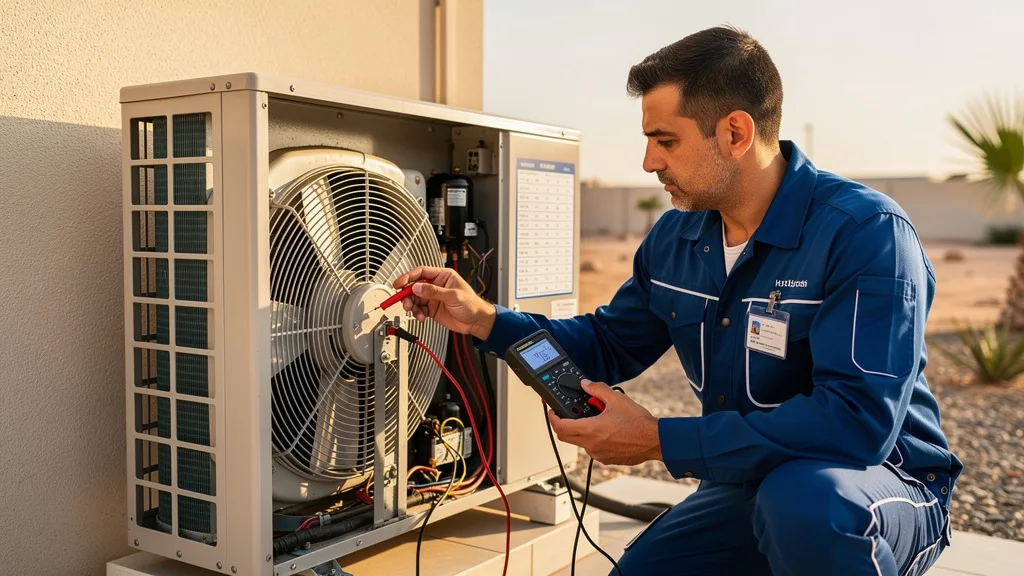
For Dubai homeowners, where AC units work overtime, recognizing these warning sounds early is crucial for preventing a complete breakdown during a heatwave. Below is a breakdown of common noises, their likely causes, and the recommended course of action.
Banging or Clanking Sounds
A loud banging or clanking noise is one of the most alarming sounds your AC can make. It often indicates that a significant part has become loose or broken inside the system. This could be a connecting rod, piston pin, or crankshaft inside the compressor. In other cases, it might be a loose fan blade hitting its housing.
If you hear a distinct banging sound, turn off your air conditioner immediately to prevent catastrophic damage. A broken part flying around inside the unit can destroy other components, turning a single repair into a full system replacement. This is not a DIY fix, and you should schedule a service call with a certified technician right away.
Hissing or Whistling Noises
Hissing or whistling noises often point to a refrigerant leak. Refrigerant is the chemical that cools the air, and a leak not only diminishes your AC's cooling power but can also be harmful to the environment. You might also hear a gurgling or bubbling sound in conjunction with the hiss. Another potential cause is high internal pressure within the compressor, which is a serious safety concern.
A less severe cause could be a leak in your ductwork, where air is escaping through cracks or poorly sealed joints. While a ductwork leak isn't as critical as a refrigerant leak, it still reduces efficiency and increases your energy bills. A professional can perform a leak test to pinpoint the source and determine the best course of action.
Grinding or Scraping
Grinding or scraping noises almost always signal a problem with moving parts, typically the motor's bearings. When the bearings in the blower fan motor or condenser fan motor wear out, they lose their lubrication and begin to grind against other components. This creates significant friction and can cause the motor to overheat and fail completely.
If you hear a metallic grinding sound, turn off the system. Continuing to run the AC can lead to the motor seizing up entirely. A technician will need to inspect the motor bearings to see if they can be lubricated or if the entire motor needs to be replaced. This is a common issue in older units or those that haven't been regularly serviced.
Buzzing or Humming
A buzzing or humming sound is often electrical in nature. It can be caused by a variety of issues, including loose wiring, a failing capacitor, or problems with the compressor's electrical components. Capacitors are essential for starting the motors in your AC, and when they begin to fail, they can produce a distinct buzz. Sometimes, the outdoor unit may buzz loudly if the fan is obstructed or if the condenser coil is extremely dirty.
While a low, gentle hum is part of normal operation, a loud, persistent buzz is a clear warning sign. Electrical problems can be a fire hazard, so they should never be ignored. Do not attempt to fix electrical issues yourself. A qualified technician can safely diagnose and repair the source of the buzzing.
Rattling or Clicking
Rattling is one of the more common and often less severe AC noises. It can be caused by something as simple as loose screws on the unit's casing, debris like leaves or twigs caught in the outdoor unit's fan, or a failing thermostat that clicks repeatedly. You might also hear rattling if the fan blades are out of alignment and hitting other components.
Start by checking for loose outer panels and clearing any visible debris from the outdoor unit (after turning off the power). If the rattling persists, it could be a sign of a more complex internal issue, such as a deteriorating motor or failing electrical contactor. While you can handle the simple checks, persistent rattling warrants a professional look. How Often Should You Service.
Squealing or Screeching
A high-pitched squealing or screeching sound, similar to a car's worn-out fan belt, often indicates a problem with the belt connecting the motor to the blower fan in older systems. In newer, direct-drive systems, this sound usually points to failing bearings in the condenser fan motor or indoor blower motor. This is the sound of metal scraping on metal at high speed, which generates intense heat and friction.
This is a critical warning sound. If left unaddressed, the motor will likely seize and burn out, leading to a much more expensive repair. Turn the unit off and call for service. A technician will need to replace the worn belt or address the failing motor bearings to resolve the issue and prevent further damage.
DIY Checks Before You Call for AC Repair
Before scheduling a service call, there are a few simple checks you can perform yourself. These steps can sometimes resolve minor issues, saving you time and money. Always remember to turn off the power to your AC unit at the circuit breaker before performing any inspection or cleaning to ensure your safety.
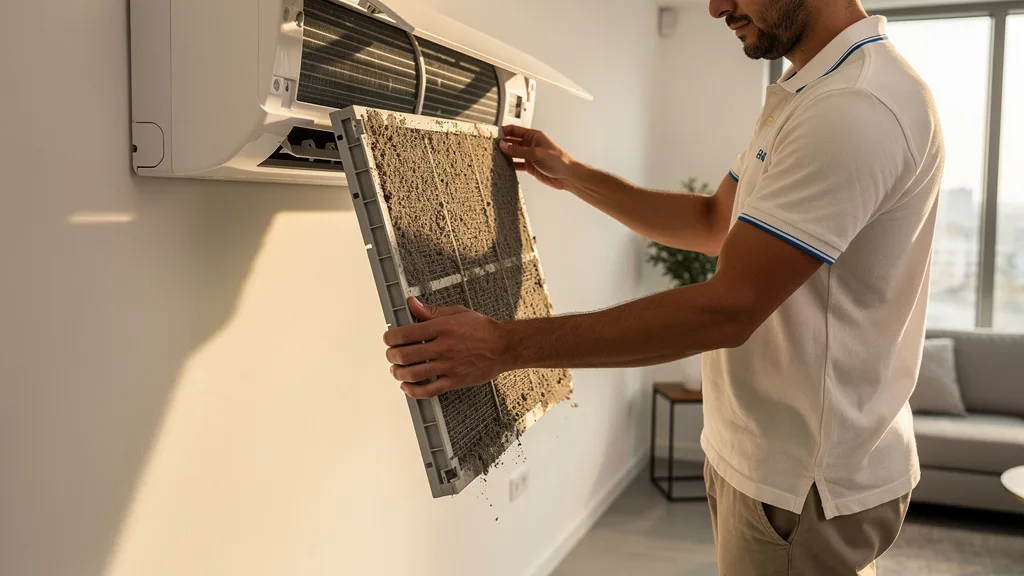
These DIY checks address the most common causes of minor AC noises and performance issues. If these steps don't solve the problem, it's a clear sign that the issue is more complex and requires professional expertise. Never attempt to open sealed components or handle refrigerant lines yourself.
Inspect and Clean the Air Filters
A clogged air filter is a primary cause of many AC problems, including strange noises. When a filter is dirty, it restricts airflow, forcing the system to work harder. This strain can cause whistling sounds as air is forced through small gaps and may lead to the motor overheating, which can produce humming or buzzing noises.
Check your air filters once a month. If you have washable filters, clean them according to the manufacturer's instructions. If you have disposable ones, replace them when they appear dirty. This simple task improves air quality, enhances efficiency, and can often silence a noisy system.
Check for Loose Panels or Screws
Vibrations are a normal part of your AC's operation, but over time, they can cause screws and panels to loosen. This is a very common source of rattling or vibrating sounds. A loose panel on the indoor or outdoor unit can create a surprising amount of noise as the system runs.
With the power off, gently press on the various panels of your indoor and outdoor units. Check for any visible screws that may have loosened and tighten them with a screwdriver. This quick five-minute check can often eliminate annoying rattling sounds instantly.
Clear Debris From the Outdoor Unit
The outdoor unit, or condenser, is exposed to the elements. Leaves, twigs, dust, and other debris can get pulled into the unit and obstruct the fan. When the fan blades hit this debris, it can cause loud rattling, clanking, or scraping sounds. A significant buildup of debris can also block airflow, causing the unit to overheat.
After shutting off the power, visually inspect the outdoor unit. Remove the protective grille if necessary and carefully clear out any leaves, dirt, or other obstructions by hand or with a soft brush. You can also gently rinse the exterior fins with a garden hose (do not use a high-pressure washer). For more information, you can explore guides on AC Making Noise in Dubai for further details.
Ensure Vents Are Open and Unobstructed
Restricted airflow inside your home can also cause your AC to make noise. If too many vents are closed or blocked by furniture, rugs, or curtains, it increases the air pressure within your ductwork. This can lead to a high-pitched whistling or hissing sound as the air is forced through the remaining open vents.
Walk through your home and ensure all supply and return air vents are open and clear of obstructions. Proper airflow is essential for both quiet operation and efficient cooling. This simple adjustment allows your system to breathe properly and can eliminate pressure-related noises.
Warning Sounds That Require Professional Inspection
While some noises can be resolved with simple DIY checks, others are clear indicators of serious mechanical or electrical failure. These warning sounds should never be ignored, as they often signal an impending breakdown or a potential safety hazard. Attempting to fix these issues without proper training and tools can lead to further damage or personal injury.
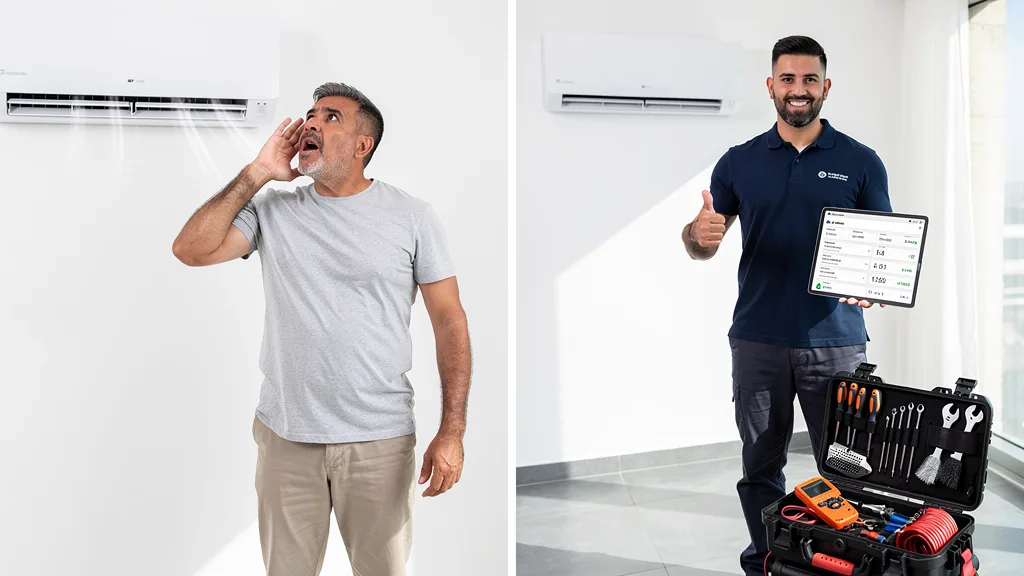
If you hear any of the sounds described below, the safest and most cost-effective action is to turn off your AC unit and contact a certified technician for an expert diagnosis. Prompt professional attention can often prevent a minor issue from escalating into a major system failure. Knowing when a professional inspection is truly needed is key for all Dubai homeowners.
"Ignoring a loud grinding or persistent electrical buzzing from your AC is a significant risk. These aren't just annoyances; they're urgent warnings of component failure that can lead to costly compressor damage or even an electrical fire. Turning the system off and calling for a professional inspection immediately is the only safe choice."
Loud Grinding or Squealing Compressor Sounds
The compressor is the heart of your air conditioning system, and noises coming directly from it are always a cause for concern. A loud grinding or squealing sound from the outdoor unit often indicates a severe internal problem with the compressor itself, such as failing bearings or a motor issue. This is one of the most serious compressor warning sounds.
Continuing to run the AC with a failing compressor can cause it to seize up completely, resulting in a system breakdown. Compressor replacement is one of the most expensive AC repairs, so addressing the noise early gives you the best chance of a less costly fix. If you hear these sounds, you require immediate same-day AC repair service.
Persistent Electrical Buzzing or Burning Smells
A loud, persistent buzzing that you can't attribute to a simple cause, especially if accompanied by a burning smell, is a critical electrical issue. This could be due to an overheating motor, frayed wiring, or a failing electrical contactor. These problems pose a significant fire risk and must be addressed by a qualified electrician or AC technician. 5 Signs You Need an.
If you notice a burning plastic or metallic smell coming from your vents or the unit itself, shut off the power at the main circuit breaker immediately. Do not turn it back on until the system has been thoroughly inspected and repaired by a professional.
Noises Paired With Poor Cooling Performance
If a new noise is accompanied by a noticeable decline in your AC's ability to cool your home, it's a strong sign that a key component is failing. For example, a hissing sound combined with warm air from your vents strongly suggests a refrigerant leak. A grinding noise paired with weak airflow could mean the blower motor is about to fail.
The combination of noise and poor performance indicates the problem is actively impacting the system's core function. Ignoring this combination will only lead to higher energy bills and eventual system failure. It's important to understand the difference between needing a simple service and a full repair, as explained in our guide on AC repair versus service.
The Noise Continues After Basic DIY Checks
Perhaps you've cleaned the filter, tightened the panels, and cleared debris from the outdoor unit, but the noise persists. If your DIY efforts haven't solved the problem, it confirms that the issue is internal and requires specialized knowledge and tools to diagnose and fix.
At this point, you've done your due diligence. Continuing to troubleshoot without expertise can make the problem worse. This is the clear signal to schedule a professional service call. A technician can use diagnostic equipment to pinpoint the exact cause and perform the necessary repairs safely and effectively.
The Professional Solution for a Noisy AC Unit
When you've exhausted DIY options or identified a serious warning sound, it's time to bring in the professionals. A certified AC technician has the training, tools, and experience to safely diagnose and resolve the complex issues that cause a noisy air conditioner. Our process is designed to be thorough, transparent, and effective, ensuring your system is returned to quiet, efficient operation.
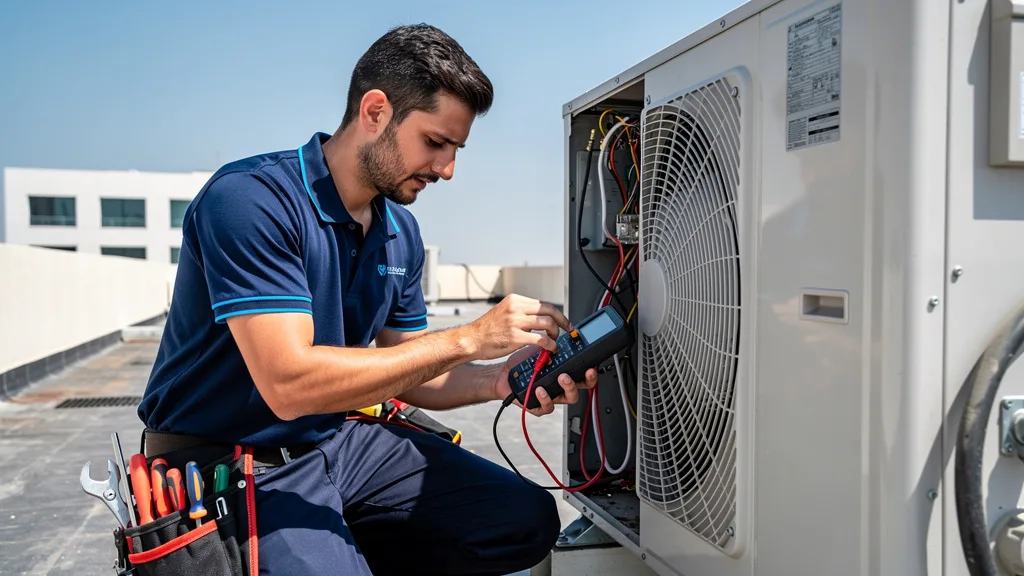
We start with a comprehensive diagnosis to find the root cause of the noise, then present you with clear options for repair or replacement. Our goal is to provide a lasting solution that restores your home's comfort and your peace of mind.
Expert Diagnosis to Pinpoint the Noise Source
The first step a professional technician takes is a thorough diagnostic inspection. This involves more than just listening to the noise. The technician will check electrical connections, measure refrigerant pressure, inspect motors and bearings, and examine the entire system for signs of wear and tear. Using specialized tools, they can accurately identify whether the noise is coming from the compressor, a fan motor, or an electrical component.
This expert diagnosis is crucial because it ensures that the repair addresses the actual problem, not just a symptom. By pinpointing the source, the technician can prevent unnecessary repairs and provide an accurate quote for the work required.
Component Repair and Replacement Options
Once the problem is identified, the technician will explain the available solutions. In some cases, a simple repair like lubricating a bearing or tightening a connection might be all that's needed. In other instances, a component may be too worn or damaged and will need to be replaced. Common replacements include fan motors, capacitors, contactors, and fan blades.
Our technicians will provide a clear explanation of the issue and a transparent, upfront price for the repair, starting from AED 180. We use high-quality replacement parts to ensure the longevity of the repair and offer a 30-day warranty on our labor, giving you confidence in the solution.
System Testing to Ensure Quiet Operation
After the repair or replacement is complete, the job isn't finished. The final and most important step is to test the system thoroughly. The technician will turn the AC back on and run it through a full cooling cycle, listening carefully to ensure the original noise is gone and no new sounds have appeared. They will also check that the unit is cooling effectively and that all components are functioning correctly.
This final testing phase confirms that the repair was successful and that your air conditioner is back to operating quietly and efficiently. It's our commitment to quality and ensuring the job is done right the first time.
How to Prevent Future AC Noises With Maintenance
The best way to deal with a noisy AC is to prevent the problems from starting in the first place. Proactive, regular maintenance is the key to a long-lasting, quiet, and efficient air conditioning system. Just like a car, your AC needs routine check-ups to keep its complex mechanical and electrical components in top condition, especially in Dubai's demanding climate.
Implementing a simple maintenance schedule can help you avoid the inconvenience and expense of unexpected breakdowns. Two key practices stand out: regular filter changes and annual professional servicing.
The Importance of Regular Filter Changes
We've already mentioned cleaning your filter as a DIY check, but its importance as a preventative measure cannot be overstated. A clean filter allows for unrestricted airflow, which is critical for your AC's health. When airflow is restricted by a dirty filter, it puts immense strain on the blower motor, which can lead to overheating, bearing wear, and eventual failure—all of which create noise.
By committing to checking and changing your filter every 30-60 days, you reduce this strain, improve your indoor air quality, lower your energy consumption, and significantly extend the life of your AC's components. It's the single most effective and inexpensive maintenance task any homeowner can perform.
Scheduling Annual Professional Servicing
While filter changes are essential, they are only one part of comprehensive maintenance. An annual professional service appointment is crucial for addressing the parts of the system you can't see or safely access. During a service visit, a technician will perform a multi-point inspection and tune-up.
This includes cleaning the indoor and outdoor coils, lubricating moving parts like motors and bearings, checking refrigerant levels, tightening all electrical connections, and testing the system's overall performance. This preventative service catches small problems before they become noisy, expensive breakdowns. An annual maintenance contract (AMC) is the most convenient and cost-effective way to ensure your system gets the care it needs every year.
Key Takeaways
Dealing with a noisy AC unit in Dubai can be stressful, but understanding the issue is the first step toward a solution. Here are the most important points to remember from this guide:
- Listen and Identify: Different noises like banging, hissing, or grinding point to specific problems. Banging often means a loose part, while grinding usually indicates failing motor bearings.
- Perform Safe DIY Checks: Before calling a professional, check and clean your air filter, tighten loose panels, and clear debris from the outdoor unit. Always turn off the power first.
- Recognize Urgent Warning Signs: Loud grinding, persistent electrical buzzing, or any noise accompanied by a burning smell or poor cooling performance requires immediate professional attention. Turn the unit off and call for help.
- Don't Delay Repairs: Ignoring a noisy AC won't make the problem go away. Prompt action can prevent minor issues from turning into catastrophic and expensive system failures. The reasons for Why Ignoring a Noisy AC are significant.
- Prevention is Key: Regular maintenance, including monthly filter changes and annual professional servicing, is the most effective way to prevent future noises and extend the life of your AC unit.
Frequently Asked Questions
What should I do first if my AC is making a loud noise?
The very first thing you should do is try to identify the type of noise and where it's coming from (indoor or outdoor unit). If the sound is a loud banging, grinding, or squealing, or if you smell something burning, turn off the AC unit at the thermostat and the circuit breaker immediately to prevent further damage or a safety hazard.
If the noise is a less severe rattling or humming, you can proceed with basic DIY checks like inspecting the air filter and looking for loose panels or debris. If these simple steps don't resolve the issue, or if the noise is alarming, your next step should be to call a certified AC repair technician.
How can I make my AC unit quieter overall?
To reduce the general operating noise of your AC, start with regular maintenance. Clean coils and filters, along with lubricated motors, allow the system to run more smoothly and quietly. You can also install sound-dampening blankets around the compressor in the outdoor unit or plant shrubs around it (leaving adequate space for airflow) to absorb some of the sound.
For indoor units, ensure they are securely mounted to the wall to prevent vibration. If your system is old and inherently loud, upgrading to a newer, modern AC unit with a lower decibel rating is the most effective long-term solution for a quieter home environment.
Is a noisy air conditioner dangerous?
In some cases, yes. While a simple rattle is usually just an annoyance, other noises can signal dangerous situations. A loud, persistent electrical buzzing could indicate faulty wiring or an overheating component, which is a fire hazard. A hissing sound could be a refrigerant leak, which is harmful to the environment and can cause damage to the compressor.
Any loud, abrupt noise like banging or grinding indicates a serious mechanical failure that could cause parts to break apart inside the unit. It's always best to err on the side of caution. If a noise sounds severe or is accompanied by other symptoms like a burning smell, treat it as a potentially dangerous situation and call a professional.
How much does it typically cost to fix a noisy AC in Dubai?
The cost to fix a noisy AC in Dubai varies widely depending on the cause. A simple fix, like tightening a loose panel or replacing a capacitor, might cost between AED 180 and AED 400. More complex repairs, such as replacing a fan motor, could range from AED 500 to AED 1,500 or more.
The most expensive repair is typically a compressor replacement, which can cost several thousand dirhams and may make replacing the entire unit a more economical option. We provide transparent, upfront pricing after our initial diagnosis, so you'll know the exact cost before any work begins.
Conclusion
A noisy air conditioner is more than just a nuisance; it's your system's way of telling you something is wrong. By learning to identify different sounds, performing basic checks, and knowing when to call for professional AC repair in Dubai, you can address issues promptly and prevent small problems from becoming major expenses. Proactive maintenance remains the best strategy for ensuring your AC runs quietly and efficiently, keeping your home comfortable through the hottest months of the year.
Don't let a strange AC noise disrupt your comfort or lead to a costly breakdown. Our certified technicians are ready to diagnose and resolve any issue, restoring peace and quiet to your home. With upfront pricing and a 30-day labor warranty, you can trust us to get the job done right. Book a Service Now and let our experts handle the rest.
Need certified on-demand property maintenance in Dubai?
Sub-4 hour response SLA • 30-day labor warranty • Upfront pricing from AED 180.