
Interior Wall Repair in Dubai: A 2026 Homeowner's Guide
Learn how to repair interior walls in Dubai homes with our 2026 guide. We cover fixing cracks, dents, and damp patches, plus when to call a professional.
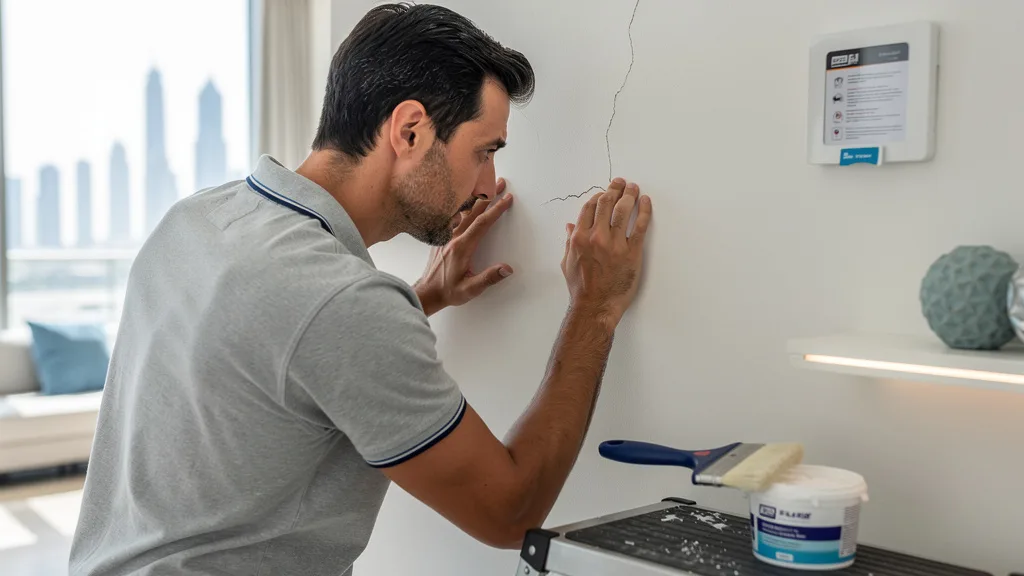
Are those unsightly cracks, dents, and peeling paint spots diminishing the beauty of your Dubai home? Learning how to handle minor wall repairs can be a rewarding skill for any homeowner or tenant. The key to a flawless finish lies in correctly identifying the type of damage, using the right materials, and following a methodical repair process.
Successfully repairing interior walls in Dubai involves diagnosing the issue, which can range from simple hairline cracks to more serious damp patches. For cosmetic fixes, you will need basic tools like spackle, a putty knife, and sandpaper to prepare, fill, sand, and paint the area. However, for recurring cracks or any signs of moisture, it is crucial to address the root cause, which often requires professional assistance to prevent further damage.
Identifying the Type of Wall Damage in Your Home
Before you pick up any tools, the most critical step is to accurately diagnose the problem with your wall. Different types of damage require different repair techniques and materials. A misdiagnosis can lead to a repair that doesn't last or, worse, covers up a more significant underlying issue that needs immediate attention.
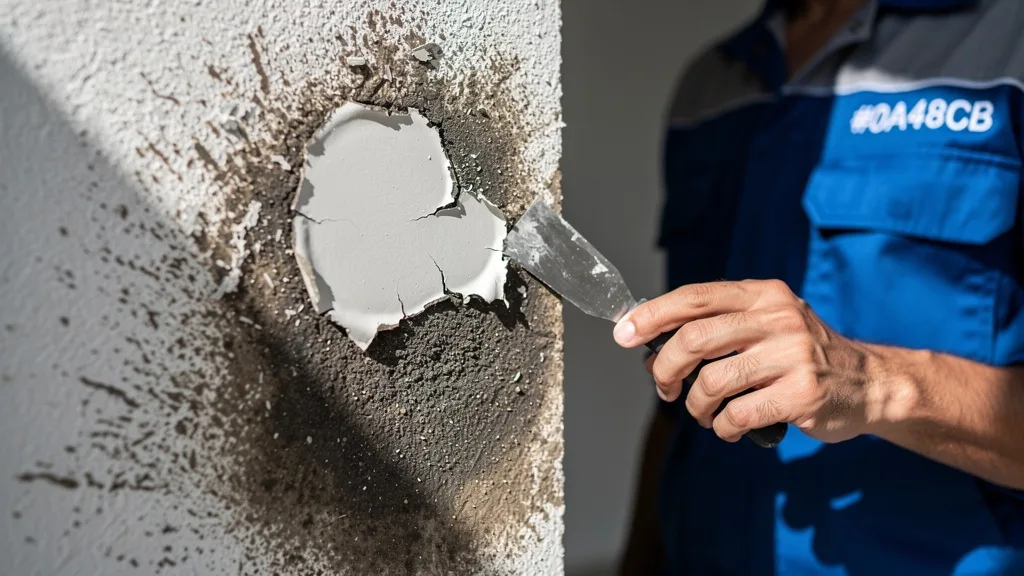
Take a moment to carefully inspect the affected area. Note the size, depth, and location of the damage. Is it a clean break, a crumbling area, or is the paint bubbling? Answering these questions will help you determine the cause and the best course of action for a durable and invisible repair.
Hairline Cracks and Minor Dents
Hairline cracks are thin, superficial fissures that often appear on plaster or drywall surfaces. In Dubai, these are commonly caused by the natural expansion and contraction of building materials due to temperature fluctuations. Minor dents are typically the result of everyday life, such as small impacts from furniture or moving objects.
These issues are generally cosmetic and are the easiest to fix. They don't usually indicate a structural problem and can be handled with a simple application of filler and a touch of paint. Addressing them promptly prevents them from collecting dust and becoming more noticeable over time.
Larger Holes from Impacts or Fixtures
Larger holes are often caused by more significant impacts, like a doorknob hitting the wall repeatedly or accidental damage during a move. They can also be left behind after removing heavy fixtures, shelves, or large picture hangers that were anchored into the wall.
These types of damage require a more robust solution than simple filler. Depending on the size, you may need to use a drywall patch kit to provide structural support before applying filler. Simply packing a large hole with spackle will likely result in the repair cracking or sinking as it dries.
Signs of Damp Patches and Peeling Paint
This is a type of damage that should never be ignored, especially in a humid climate. Damp patches, discolored areas, bubbling or peeling paint, and a musty odor are all red flags for a moisture problem. The source could be a leaking pipe within the wall, condensation from an AC unit, or water ingress from outside.
Simply scraping and painting over these patches is a temporary fix that masks the real issue. The moisture will eventually seep through again, causing the new paint to fail and potentially leading to mold growth and structural decay. It's essential to find and fix the source of the water first, which may require professional help from a plumber or AC technician. If you see these signs, it's wise to investigate potential causes, as they could be signs you need an emergency plumber.
Essential Tools and Materials for a DIY Wall Repair
Gathering all your tools and materials before you begin will make the repair process smoother and more efficient. Having the right equipment on hand ensures you can achieve a professional-looking finish without interruption. For most minor wall repairs, you won't need an extensive toolkit.
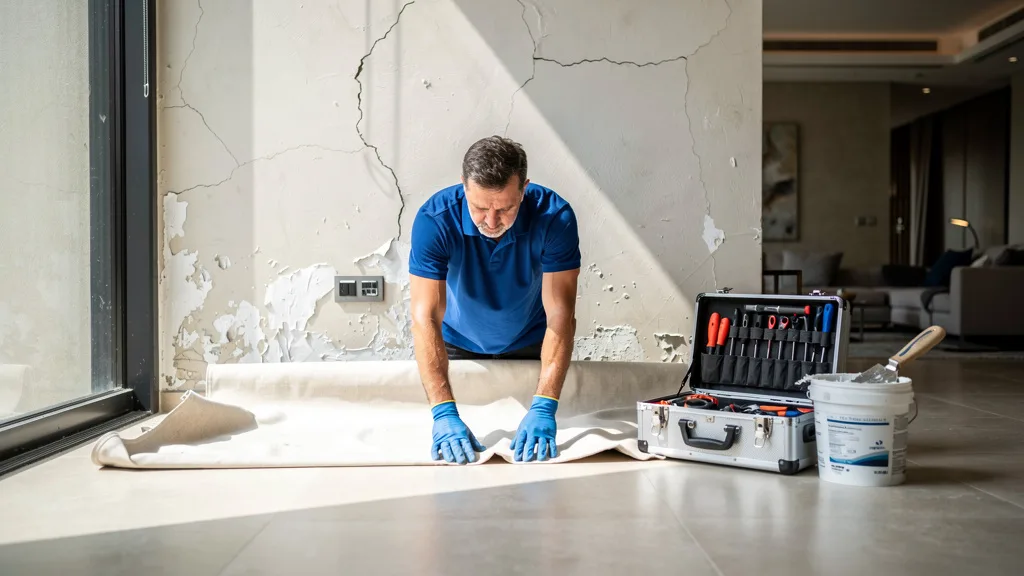
The table below outlines the essential items for a standard DIY wall repair job. Investing in good quality materials, especially filler and primer, will contribute significantly to the durability and appearance of your final repair. professional painting services.
| Tool/Material | Primary Purpose | Notes for Your Shopping List |
|---|---|---|
| Spackle or Wall Filler | Filling cracks and holes | Choose a lightweight, pre-mixed spackle for small jobs. |
| Putty Knife Set | Applying and smoothing filler | A flexible 1.5-inch and a 4-inch knife are a good start. |
| Fine-Grit Sandpaper (120-220 grit) | Smoothing the dried filler | A sanding sponge is easier to handle than a sheet. |
| Wall Primer | Sealing the patch before painting | Crucial for preventing 'flashing' where the patch shows through paint. |
| Matching Interior Paint | Blending the repair with the wall | Take a chip of the old paint to the store for accurate color matching. |
| Drop Cloths & Painter's Tape | Protecting floors and trim | Prevents mess and ensures clean lines. |
How to Repair a Damaged Wall: A Step-by-Step Process
With your diagnosis complete and your tools gathered, you are ready to tackle the repair itself. Following a systematic process is the key to achieving a seamless result that blends perfectly with the surrounding wall. This guide covers the essential steps for fixing common cosmetic damage like small cracks and holes.
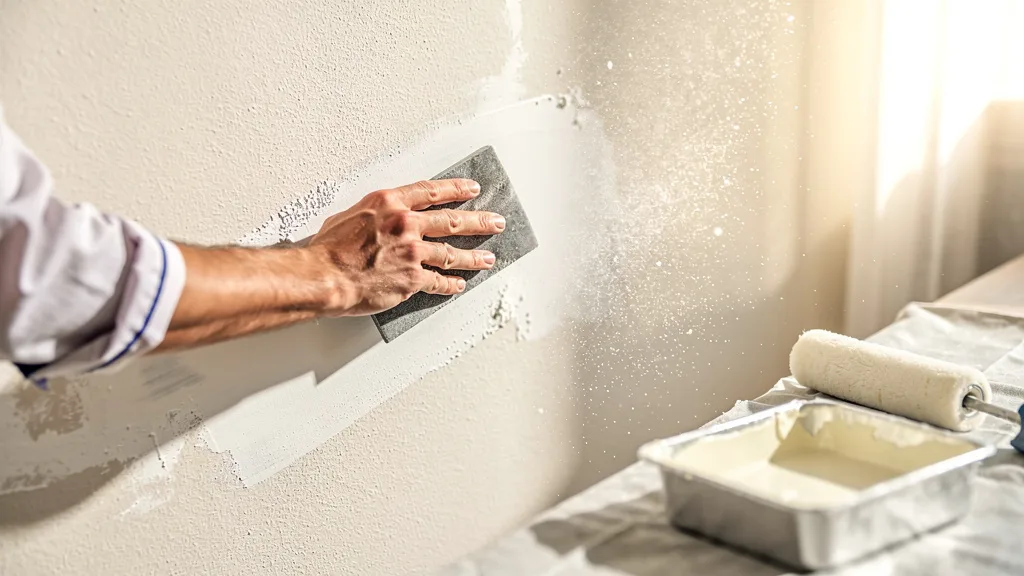
Patience is crucial, especially when waiting for the filler and paint to dry. Rushing any of the steps, particularly sanding or priming, can compromise the final appearance and durability of your work. Take your time to ensure each stage is completed correctly.
Step 1: Prepare the Wall and Protect Your Space
The first step in any painting or repair project is preparation. Start by laying down a drop cloth to protect your flooring and furniture from dust and drips. Use painter's tape to mask off any adjacent walls, baseboards, or trim to ensure clean, sharp lines.
Next, prepare the damaged area itself. Gently clean the wall with a damp cloth to remove any dust or grime. If there is any loose paint or crumbling drywall around the hole or crack, carefully scrape it away with your putty knife until you have a solid, stable surface to work on.
Step 2: Fill Cracks and Holes Properly
Using a flexible putty knife, scoop a small amount of spackle or filler. Apply it over the crack or hole, pressing firmly to ensure the filler gets deep into the damaged area. The key is to slightly overfill the spot, as the filler will shrink a bit as it dries. For a smooth application, hold the putty knife at a 45-degree angle and swipe across the patch.
For best results, feather the edges by pressing harder on the outer edges of the swipe. This creates a thin layer of filler that blends into the surrounding wall, making the sanding process much easier. For deeper holes, you may need to apply the filler in two thin layers, allowing the first to dry completely before adding the second. Ensuring cracks filled properly is vital for a lasting repair.
Step 3: Sand the Repaired Area for a Smooth Surface
Once the filler is completely dry according to the manufacturer's instructions, it's time to sand. Wrap a piece of fine-grit sandpaper (120-grit or higher) around a sanding block or use a sanding sponge. Lightly sand the patched area using a circular motion until it is perfectly smooth and flush with the rest of the wall.
Be careful not to over-sand or apply too much pressure, as this can create a depression in the wall or damage the surrounding paint. The goal is to remove only the excess filler. After sanding, wipe the area with a dry or slightly damp cloth to remove all sanding dust before moving to the next step.
Step 4: Prime and Paint to Match Your Wall
Priming is a step that many DIYers skip, but it is essential for a professional finish. New filler is very porous and will absorb paint differently than the rest of your wall. Applying a coat of primer over the sanded patch seals it, ensuring that your topcoat of paint will have a uniform color and sheen.
After the primer has dried, you can apply your matching wall paint. Use a small brush or roller to apply one or two thin coats, feathering the edges into the existing paint to help the patch blend in seamlessly. Allow the paint to dry completely, and your wall should look as good as new. If you're unsure about the scope of work, understanding what's covered in a standard handyman call-out can be helpful.
Common Wall Issues in Dubai and When to Be Concerned
Living in Dubai presents unique challenges for maintaining your home's interior, particularly your walls. The region's climate, characterized by high heat and humidity, combined with the commonality of new construction, can lead to specific types of wall issues that homeowners should be aware of.
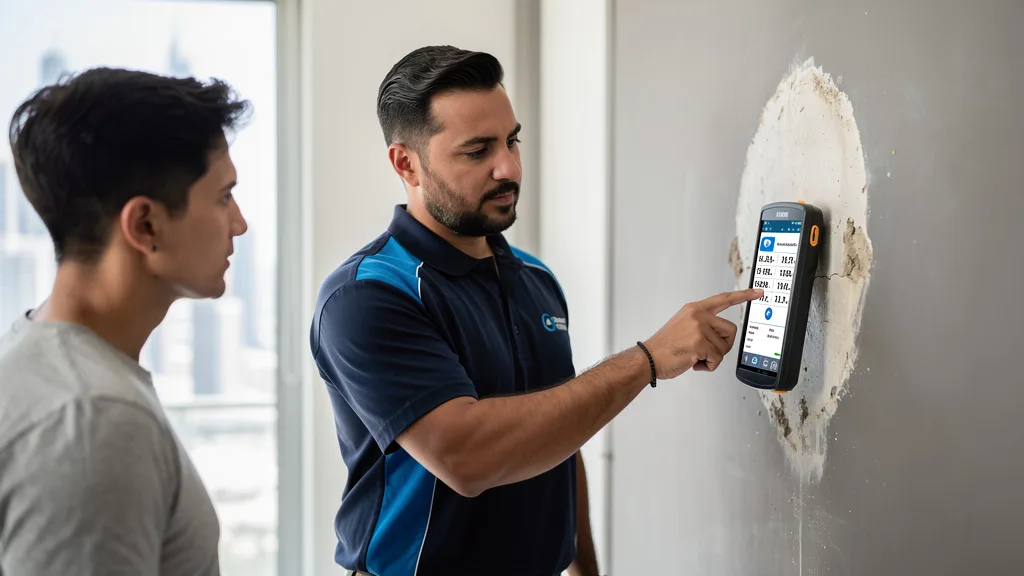
While many problems are cosmetic, some can be indicators of more serious concerns. Knowing what to look for can help you decide whether to tackle a simple DIY fix or call in a professional for a thorough inspection and repair.
Managing Humidity and Its Effect on Walls
The persistent high humidity in Dubai can be tough on interior walls. Excess moisture in the air can be absorbed by plaster and drywall, leading to softened surfaces, peeling paint, and the growth of mold or mildew. This is often exacerbated by powerful air conditioning systems creating significant temperature differentials.
Effective management involves ensuring your home is well-ventilated and that your AC system is functioning correctly and serviced regularly. Proper AC maintenance not only improves air quality but also helps control indoor humidity levels, protecting your walls from moisture-related damage. If you see persistent dampness, it's a sign that your home's climate control needs a professional check-up. professional painting services.
Understanding Cracks from Building Settlement
It's common to see small, thin cracks appear in walls, especially in newer buildings across the UAE. These are often settlement cracks, which occur as a new building settles into its foundation. They are typically vertical or jagged and are not a cause for major alarm.
"For anything beyond a simple hairline crack, a professional diagnosis is key. What looks like a small issue could be a sign of a larger problem, and a quick DIY fix might just be a temporary solution." - Expert Technician
However, you should be concerned if you see large, diagonal cracks that are wider than a few millimeters, or cracks that are actively growing. These could indicate structural movement or a more serious foundation issue. A helpful resource on this topic is this guide to Cracks In Walls & Ceilings in UAE homes, which can provide additional context.
DIY Repair vs. Hiring a Professional Service in Dubai
Deciding whether to fix a damaged wall yourself or hire a professional comes down to the scale of the damage, the underlying cause, and your own comfort level. For small hairline cracks, nail holes, and minor dents, a DIY approach is often cost-effective and straightforward for a handy homeowner. It's a great way to handle minor upkeep and keep your home looking its best.
However, for larger holes requiring drywall patches, any sign of water damage, or recurring cracks, calling a professional is the smarter choice. A professional service not only has the expertise to create an invisible repair but can also diagnose and fix the root cause of the problem. This is particularly important for issues like plumbing leaks or AC condensation, where a cosmetic fix alone is insufficient. Hiring a professional ensures the job is done right the first time, saving you time and potential future expenses. For a trusted team, consider a reputable property maintenance company in Dubai.
Choosing a Wall Repair Service You Can Trust
When the damage is too significant for a DIY project, you need a wall repair service in Dubai that you can rely on. Finding a trustworthy company ensures not only a high-quality finish but also peace of mind. A reputable service will be transparent, skilled, and accountable for their work, turning a stressful situation into a hassle-free experience. handyman services.
Look for companies that offer more than just a patch and paint job. The best services provide comprehensive solutions, from diagnosis to final restoration. Here are key factors to consider when choosing a provider: AC maintenance.
- Certified Technicians: Ensure the team is trained and experienced in various types of wall repairs and restoration, from plaster to drywall.
- Transparent and Honest Pricing: Look for a company that provides clear, upfront pricing. We offer fair, fixed-price services starting from just AED 180, so you know the cost before work begins.
- Workmanship Warranty: A confident service provider will stand by their work. We offer a 30-day warranty on our labor, giving you confidence in the durability of the repair.
- Comprehensive Capabilities: Often, wall damage is a symptom of another issue. Choose a company that can also handle the plumbing, AC, or electrical work that may be the root cause.
- Proven Reputation: Check for positive customer reviews and a history of reliable service in Dubai communities, from apartments to homes villas and townhouses.
By prioritizing these qualities, you can hire a professional, standardised team you can trust to restore your walls perfectly. For a clear breakdown of costs, you can review our consolidated home maintenance pricing guide.
Key Takeaways
Mastering basic wall repair can save you time and money, but knowing the limits of DIY is just as important. Here are the essential points to remember for maintaining pristine walls in your Dubai home in 2026:
- Identify First: Always determine if the damage is cosmetic (cracks, dents) or systemic (damp, large structural cracks) before starting any repair.
- Prep is Key: Proper preparation, including cleaning the area, protecting your space, and using primer, is essential for an invisible and long-lasting repair.
- Address the Root Cause: For damp patches or recurring cracks, fixing the wall surface is not enough. You must find and resolve the underlying issue, like a leak or humidity, often with professional help.
- Know When to Call Pros: While DIY is great for minor fixes, professional painting wall repair services in Dubai are necessary for large-scale damage, water-related issues, and a guaranteed flawless finish.
Frequently Asked Questions
How do you fix deep cracks in interior walls?
For deep cracks, you must first widen the crack slightly into a 'V' shape using the corner of a putty knife. This allows the filler to get a better grip. Clean out any loose debris and dust, then apply a flexible wall filler in thin layers, allowing each layer to dry.
Once filled and dried, sand the area until it is completely smooth and flush with the wall. Finish by applying a coat of primer before painting to match the rest of your wall. If the crack reappears or is very wide, it may be structural and requires professional assessment.
Can I paint directly over a repaired wall patch?
It is strongly advised not to paint directly over a fresh patch. The filler material is more porous than the surrounding wall and will absorb the paint differently, creating a dull, noticeable spot known as 'flashing'.
To avoid this, you must always apply at least one coat of quality wall primer over the fully dried and sanded patch. The primer seals the filler and creates a uniform surface, ensuring your final coat of paint has an even color and sheen across the entire wall.
What causes recurring wall cracks in UAE homes?
Recurring cracks in the UAE are often due to a few key factors. The primary cause is often thermal expansion and contraction, where building materials expand in the intense heat and shrink in cooler, air-conditioned environments. Building settlement, especially in newer properties, is another common cause.
High humidity can also weaken plaster over time, making it more prone to cracking. While most of these are non-structural, if a crack keeps returning in the same spot despite proper repair, it's wise to have a professional investigate for any underlying structural movement or persistent moisture issues.
How much does professional wall repair cost in Dubai?
The cost of professional how to repair interior walls in Dubai homes can vary significantly based on the size and nature of the damage. A simple call-out for minor crack filling and touch-up painting might start from our transparent base rate of AED 180.
Larger repairs, such as fixing a large hole in drywall or addressing extensive damage from a water leak, will require a custom quotation after an on-site inspection. We always provide a clear, fixed-price quote before any work begins, so there are no surprises. You can see our standard rates on our pricing page.
Is it better to repair or replace a section of drywall?
The decision to repair or replace depends on the extent of the damage. For small to medium-sized holes (up to a few inches across), cracks, and dents, a repair using a patch and filler is perfectly adequate and cost-effective. This is the standard approach for most common wall damage.
However, if a large area of the drywall is crumbling, has extensive water damage, or has multiple large holes close together, it is often more efficient to cut out the damaged section and replace it with a new piece of drywall. This provides a more stable and durable long-term solution than attempting to patch a heavily compromised area.
Conclusion
Knowing how to repair interior walls in your Dubai home is an empowering skill that helps you maintain your property's value and appearance. From minor dents to hairline cracks, a careful DIY approach can yield excellent results. However, the true key to success is recognizing the difference between a simple cosmetic fix and a symptom of a larger problem, such as water damage or structural settlement. For those more complex issues, or simply to guarantee a perfect finish, seeking professional help is the wisest course of action.
If you're facing wall damage that seems beyond a simple DIY fix, or if you suspect an underlying issue like a leak, don't wait for it to get worse. Our team of certified technicians provides professional, reliable Wall repair and finishing services across Dubai. For a flawless finish and peace of mind, Book a Service Now.
Need certified on-demand property maintenance in Dubai?
Sub-4 hour response SLA • 30-day labor warranty • Upfront pricing from AED 180.