
First Things to Check When You Return Home in Dubai
Back in Dubai after a trip? Follow our 2026 guide on the first things to check when you return home, from AC and plumbing to pests, to ensure a safe and.
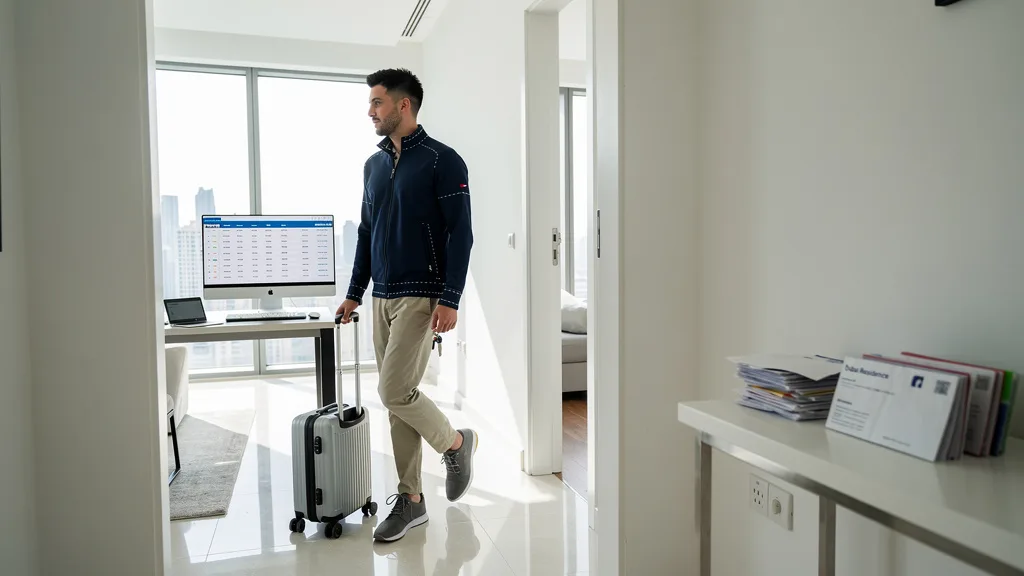
Just walked through the door after a long trip? Before you unpack or relax, conducting a quick inspection of your property is crucial, especially in Dubai's unique climate. A few minutes of checking key systems can prevent small issues that developed while you were away from turning into major, costly problems.
The first things to check when you return home in Dubai are your air conditioning system for proper cooling, all water taps and drains for leaks or dryness, and your main electrical panel before switching on appliances. A thorough walkthrough to spot signs of humidity, pests, or spoiled food will ensure your home is safe and comfortable after being left unattended, particularly after summer travel.
Why Post-Travel Home Checks Are Essential in Dubai
Returning to your Dubai residence after a vacation or business trip requires more than just unpacking your bags. An empty apartment or villa, especially during the hot and humid summer months, can become a breeding ground for problems. High temperatures can strain an unattended AC system, while stagnant water in pipes can lead to leaks or unpleasant drain odours. Catching these problems early is the key to avoiding expensive repairs and ensuring your home remains a healthy environment.
Even a short trip can be enough time for issues to arise. Dust accumulation can clog AC filters, reducing efficiency and air quality. Minor, unnoticed drips can escalate into significant water damage, promoting mould growth that thrives in Dubai's humidity. Furthermore, an unoccupied home can sometimes attract pests looking for shelter and a food source. A comprehensive post-travel check helps Dubai residents keep their properties in top condition and provides peace of mind.
"Upon returning to Dubai, your first hour should be dedicated to a home health check. Activating key systems methodically and performing a quick visual inspection for pests, leaks, and mould is the most effective way to prevent the small issues of an empty home from becoming the major emergencies of a lived-in one."
Your Dubai Return-Home Checklist: A Step-by-Step Guide
To make your transition back home smooth and stress-free, follow this practical Dubai checklist. This step-by-step guide covers the essential areas, from your AC and water systems to electricals and security. Working through these points systematically helps you identify and address any potential issues before they escalate, making the process of settling into your Dubai home much easier.
Inspect Your AC and Ventilation System First
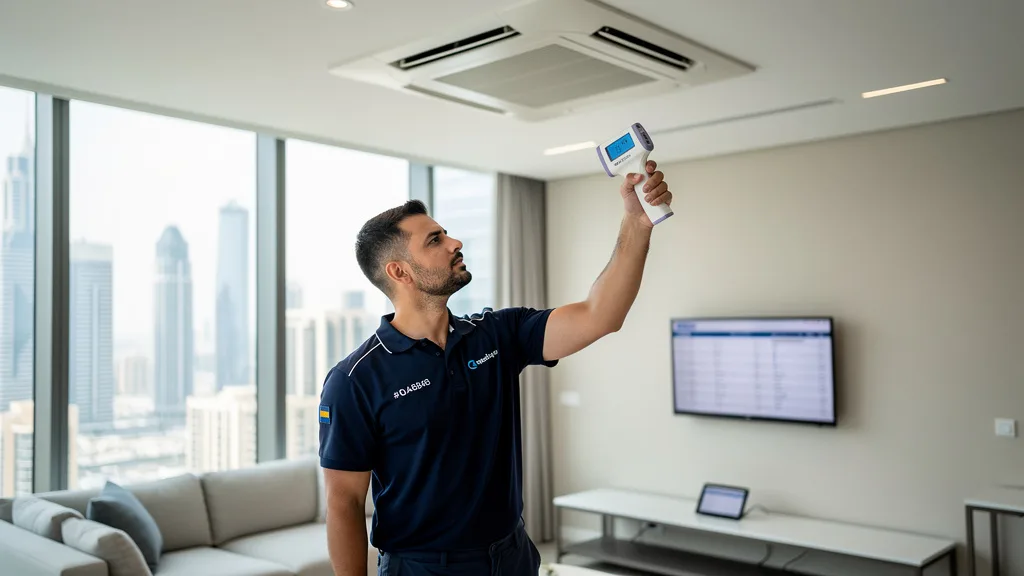
Your air conditioning is the most critical system to check upon your return. Before turning the temperature down to your preferred setting, listen for any unusual noises like rattling or grinding. Check if cool air is flowing strongly from the vents. A musty or foul smell can indicate mould growth within the ducts or a clogged filter that needs immediate attention.
If you set your AC to a higher temperature (e.g., 27-28°C) while you were away, allow it to cool the space gradually rather than forcing it to work overtime on a max-cool setting. If the system fails to cool effectively or you notice any warning signs, it is best to call a professional. Regular servicing is vital, and understanding how often you should service your AC in Dubai's climate can prevent these return-home surprises.
Check All Water Sources for Leaks and Dry Drains
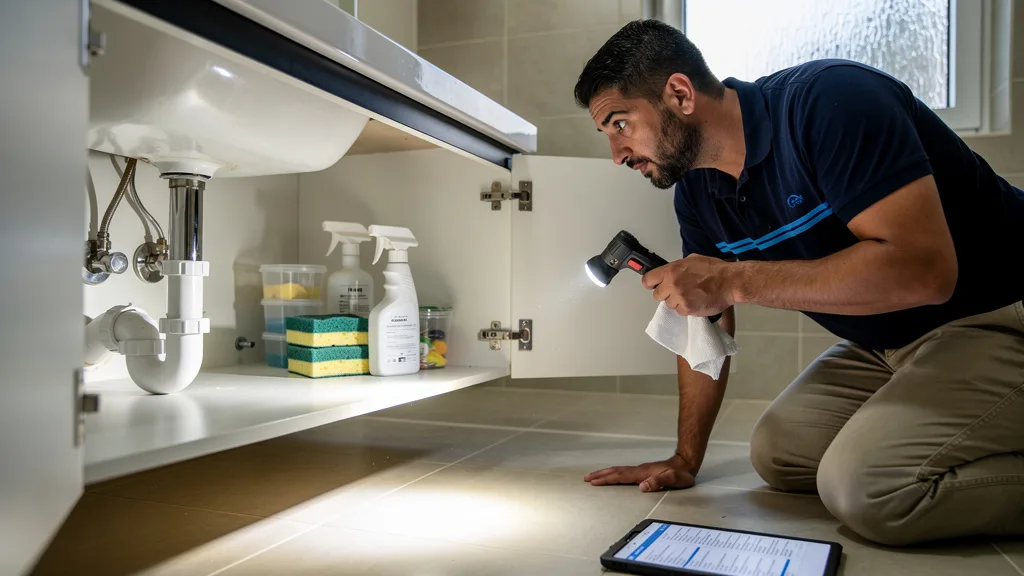
Next, turn your focus to the water supply. Begin by slowly opening the main water valve if you turned it off before your trip. Then, methodically check every water source in your home. Look under sinks in the kitchen and bathrooms, inspect the areas around toilets and the water heater, and check appliance connections for any signs of drips or water stains.
Run water for a minute in every sink and shower. This not only confirms the water is flowing correctly but also refills the P-traps in your drains. When a property is vacant, the water in these traps can evaporate, allowing foul sewer gases and even pests to enter your home. If you spot a persistent leak, it may be one of the signs you need an emergency plumber rather than a simple fix.
Safely Restore Power and Check Major Appliances
If you switched off your main circuit breaker, it is time to restore power. First, ensure all major appliances are turned off before flipping the main breaker back on. This prevents a sudden power surge that could damage sensitive electronics. Once power is restored, check your main appliances one by one. call a professional.
Confirm that your water heater is working, your oven turns on, and other essential electrical systems are functional. Pay close attention to the refrigerator and freezer to ensure they are cooling. If a specific circuit trips immediately or an appliance fails to power on, avoid experimenting and contact a certified electrician to diagnose the fault safely.
Look for Signs of Moisture, Mould, and Humidity
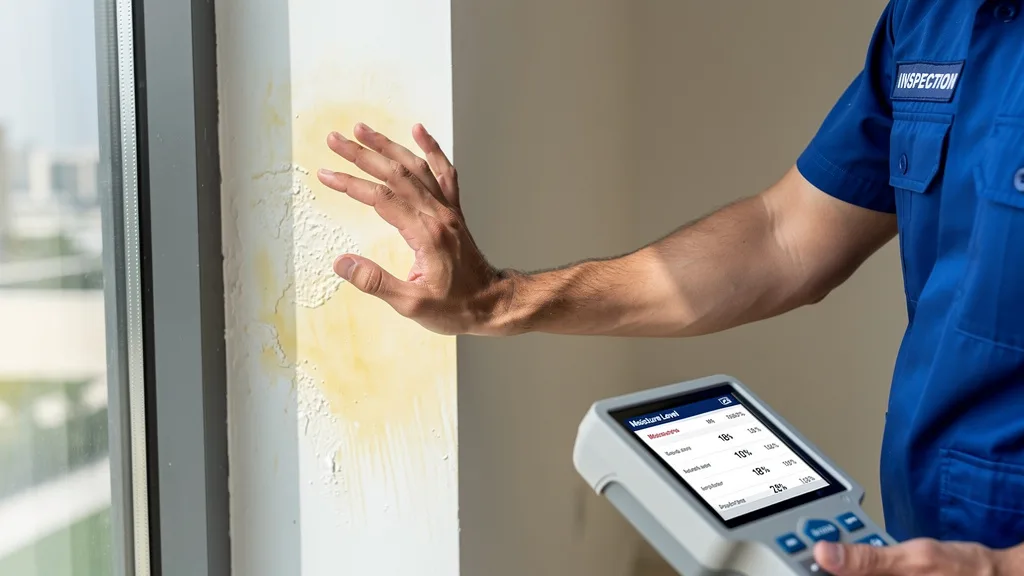
With the AC running, take a walk through your home specifically to look for signs of excess humidity and mould. Check for condensation on windows and glass surfaces, which indicates high indoor humidity. Inspect corners of rooms, closets, and areas behind furniture for any dark spots or fuzzy growth on walls, which are classic signs of mould.
Also, be aware of any musty odours, as this is often the first indication of a hidden mould or mildew problem. High humidity can cause damage to wood furniture, electronics, and fabrics. If your AC was off or struggling while you were away, these issues can develop quickly. Addressing moisture problems promptly is crucial to maintaining a healthy living environment.
Search for Any Evidence of Pest Activity
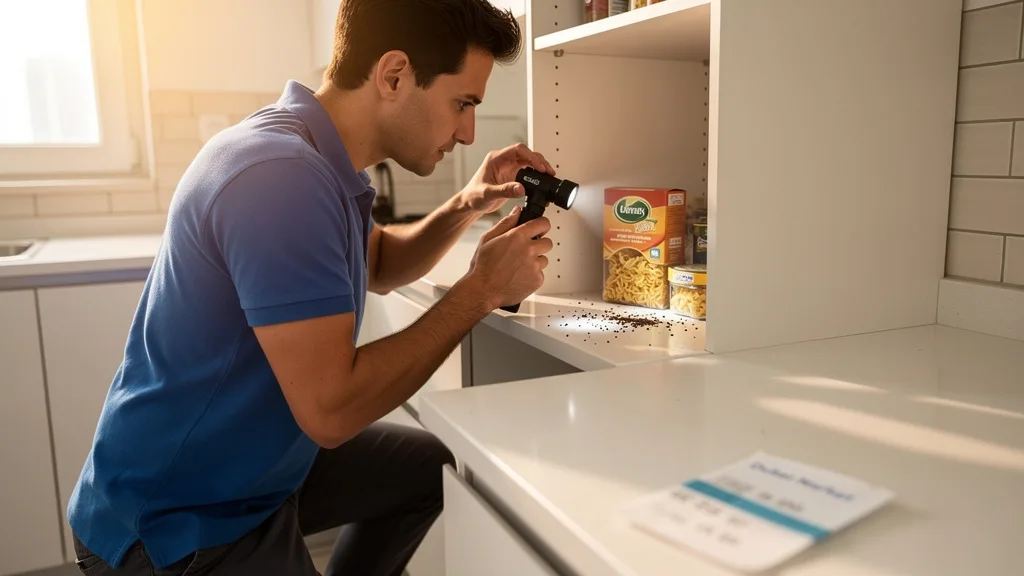
An empty home can be an open invitation for pests. Carefully inspect your kitchen, pantry, and storage areas for any signs of pest activity. Look for droppings on countertops or in cabinets, webs in corners, or chewed packaging. Common culprits in Dubai include cockroaches, ants, and spiders.
Check near entry points like doors and windows for any signs of intrusion. Even if you don't see live pests, evidence of their presence means you should take action. A thorough cleaning and potentially calling a pest control service can prevent a small problem from becoming a full-blown infestation. water heater.
Assess Your Refrigerator and Discard Spoiled Items
Before you head out for groceries, a thorough check of your refrigerator and freezer is in order. If there was a power outage while you were away, or if the fridge was accidentally switched off, food may have spoiled. Trust your senses: if anything looks or smells off, discard it immediately. Pay special attention to meat, dairy, and prepared leftovers.
Wipe down the interior of your fridge with a food-safe cleaner to eliminate any lingering bacteria or odours from spoiled items. This not only ensures food safety but also gives you a clean slate for restocking your kitchen. It is always better to be cautious and throw away questionable food than to risk illness.
Reconnect Wi-Fi, Security, and Smart Home Devices
In today's connected homes, the final step is to bring your digital life back online. Reconnect your internet router and wait for it to establish a connection. Once your Wi-Fi is active, check that your home security systems, including cameras and sensors, are functioning correctly and reconnected to the network.
Test any other smart home devices you rely on, such as smart lighting, thermostats, or digital assistants. Ensuring your digital infrastructure is working properly is the last piece of the puzzle in fully settling back into your home and restoring your normal routine and peace of mind.
When Should You Call a Home Maintenance Company?
While many post-travel checks can be handled yourself, certain situations require the expertise of a certified technician. Knowing when to stop and call for professional help can save you time, prevent further damage, and ensure the job is done safely. If you encounter any major electrical faults, persistent water leaks, or an AC that refuses to cool, it is time to contact a reliable property maintenance company.
Attempting to fix complex issues without the proper tools or knowledge can be dangerous, especially with electrical and plumbing systems. A professional can quickly diagnose the root cause of the problem and provide a lasting solution, backed by a warranty. For many residents, knowing what should I check when buying or renting is one thing, but maintaining it is another. A maintenance company provides that ongoing support.
| Issue Detected | DIY Action | When to Call a Professional |
|---|---|---|
| AC not cooling enough | Check thermostat settings; clean or replace the filter if accessible. | If air is warm, you hear loud noises, or the unit won't turn on. |
| Minor drain odour | Run water for 1-2 minutes to refill the P-trap. | If the odour persists or is very strong, indicating a blockage or vent issue. |
| A single circuit trips | Unplug all devices on that circuit and try resetting it once. | If the breaker trips repeatedly or you smell burning from the panel. |
| Small water drip under a sink | Place a bucket to catch water; try tightening fittings gently. | If the leak is steady, comes from a wall, or you can't locate the source. |
| Signs of a few insects | Clean the area thoroughly; use a store-bought trap or spray. | If you see signs of a large infestation, termites, or bed bugs. |
Key Takeaways
Returning to a safe and comfortable home after traveling is paramount. By following a structured checklist, you can quickly identify and resolve any issues that may have occurred in your absence. Here are the most important takeaways for your return to Dubai:
- Prioritize the AC: Your first check should always be the air conditioning system. Ensure it is cooling effectively to combat Dubai's heat and humidity right away.
- Water and Power First: Before settling in, inspect for water leaks and safely restore electricity. Running water in all drains prevents odours from dry pipes.
- Inspect for Pests and Mould: An empty home is a target. A thorough visual inspection for pest activity and signs of moisture or mould is essential for health and hygiene.
- Know When to Call for Help: While a quick inspection is a great DIY task, don't hesitate to call a professional maintenance company for issues like non-cooling ACs, persistent leaks, or electrical faults.
- Pre-Trip Prep is Key: Many return-home problems can be prevented with proper preparation before you leave, such as managing your AC and water supply.
Frequently Asked Questions
What is the 3000 rule in Dubai?
The "3000 rule" is an informal term some Dubai residents use to refer to a threshold related to housing fees and DEWA (Dubai Electricity and Water Authority) bills. If a tenant's annual rent is below a certain amount, their housing fee, which is calculated as 5% of the annual rent and paid monthly through the DEWA bill, might not be accurately reflected if the registered rent is very low. It is an administrative and billing-related topic rather than a property maintenance rule.
What are the general conduct rules for residents in Dubai?
This rule generally doesn't impact the physical condition or maintenance checks of your home. However, it's a good reminder to always keep your tenancy contract and DEWA account details updated and accurate to ensure correct billing for your utilities and associated municipal fees upon your return.
How can I prevent drain odours in an empty apartment?
Dubai is known for its safety and high quality of life, which is maintained through a set of community and cultural guidelines. While not directly related to home maintenance, residents are expected to respect local customs. This includes dressing modestly in public places, avoiding public displays of affection, and not playing loud music that could disturb neighbours, especially in apartment buildings.
What are the most important checks before leaving for a long trip?
During the holy month of Ramadan, specific rules apply regarding eating and drinking in public during fasting hours. Being a respectful and considerate neighbour is a key part of living harmoniously in any Dubai community, and it contributes to the overall pleasant environment you return home to.
Are there professional services to check my home while I'm away?
Drain odours in an empty apartment are most often caused by the P-trap under a sink or in a floor drain drying out. This U-shaped pipe holds a small amount of water that acts as a seal, blocking sewer gases from entering your home. In Dubai's dry, hot climate, this water can evaporate in just a few weeks.
To prevent this, if you have a friend or neighbour who can access your home, ask them to run water in every sink, shower, and floor drain for about a minute once every two weeks. If nobody can enter, you can try pouring a small amount of mineral oil down the drain before you leave. The oil evaporates much slower than water and can help maintain the seal for longer.
Preparing your home properly before you travel is just as important as checking it when you return. The most critical pre-trip checks include unplugging all non-essential electronics to save power and prevent fire risk. It's also wise to turn off the main water valve to prevent any potential leaks from causing major damage while you're away.
Do not turn your AC off completely, as this can lead to extreme heat and humidity buildup, causing mould. Instead, set the thermostat to a higher, energy-saving temperature like 27-28°C. Lastly, dispose of all perishable food from your refrigerator and take out the trash to avoid pests and odours. Considering an annual maintenance contract can provide peace of mind with scheduled checks.
Yes, many professional home maintenance companies in Dubai offer home-watching or periodic check-up services, especially for residents away on long summer travels. These services can be tailored to your needs but often include visiting the property to check for leaks, run water in drains, inspect the AC's operation, and look for signs of pests or forced entry.
These checks are often included as a benefit within comprehensive Annual Maintenance Contracts (AMC). Having a trusted company monitor your property provides invaluable peace of mind, ensuring that any potential issues are caught and dealt with long before you return, preventing unpleasant surprises.
Conclusion
Following a systematic checklist is the best strategy for ensuring a smooth and safe return to your Dubai home after any trip. By prioritizing your AC, water, and electrical systems, and performing a quick scan for humidity and pests, you can catch minor issues before they become major headaches. This proactive approach is the key to maintaining your property's value and your own peace of mind.
If your inspection reveals an issue beyond a simple fix, don't hesitate to seek professional help. Our certified technicians are ready to handle any AC, plumbing, or electrical problem you might encounter. For a worry-free return every time, let our team ensure your home is in perfect working order. Book a Service Now.
Need certified on-demand property maintenance in Dubai?
Sub-4 hour response SLA • 30-day labor warranty • Upfront pricing from AED 180.