
How to Safely Reset a Tripped RCD in Your Dubai Home
Lost power? Learn how to safely reset a tripped RCD in your Dubai home with our step by step guide. Identify common causes and know when to call an approved.
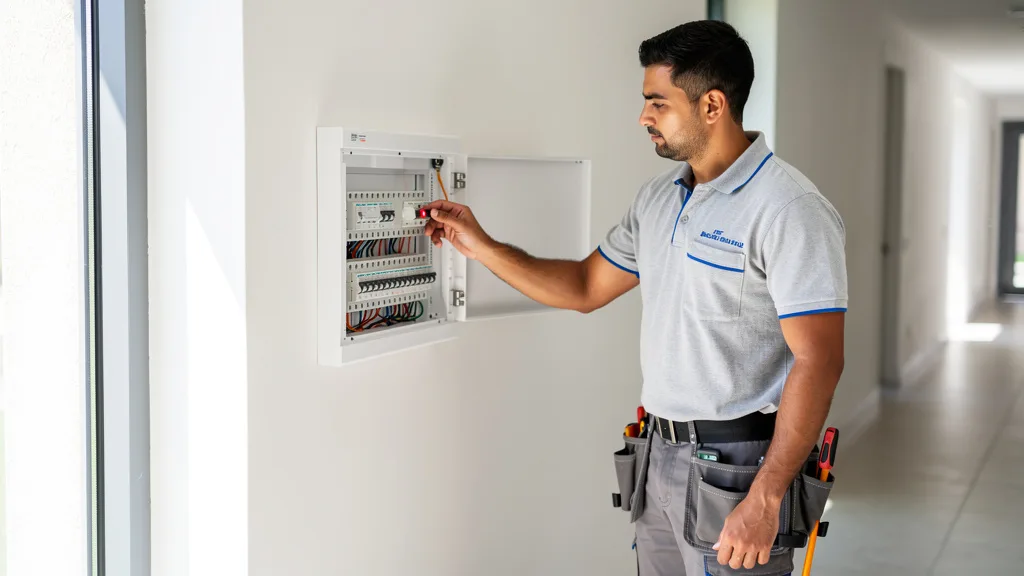
Has your home in Dubai suddenly lost power, leaving you in the dark and wondering what went wrong? Often, the culprit is a tripped Residual Current Device (RCD), a crucial safety feature in your home's electrical system. While a sudden power cut is frustrating, understanding its cause is the first step toward a safe resolution.
To reset a tripped RCD, you must first turn off and unplug all appliances on the affected circuit. Then, locate your consumer unit (fuse box) and flip the RCD switch back to the 'On' position. If it stays on, you can begin plugging appliances back in one by one to identify the faulty item. If it trips again immediately, you likely have a more serious issue that requires a professional electrician.
This guide provides expert advice on how to diagnose the problem and explains how to reset a tripped RCD in your Dubai home safely. We will cover the common causes, provide a clear step-by-step process, and help you determine when it's time to call a certified professional for help.
Understanding Your Home's RCD Trip Switch
Before attempting any reset, it's important to understand what this device is and what it does. The RCD is not just a switch; it's a life-saving protector designed to prevent severe electrical shocks. Knowing its function helps you appreciate why it trips and why you should never ignore it.
What an RCD Is and Why It Trips
A Residual Current Device (RCD) is a safety switch that constantly monitors the electrical current flowing through a circuit. It is designed to disconnect the power in milliseconds if it detects an imbalance, which signifies that current is leaking to the earth. This can happen if you touch a live part or if a faulty appliance has an internal short, making the RCD a critical safeguard against electrocution.
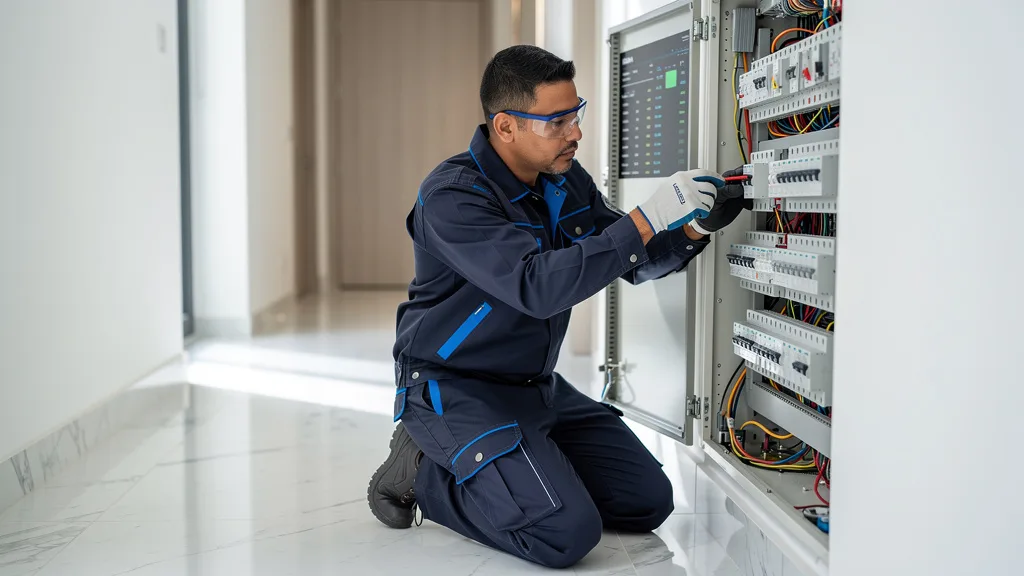
A tripped rcd indicates that it has detected such a fault and has cut the power to protect you. Unlike a standard circuit breaker (MCB) that trips due to overloads (too much current draw), an RCD trips due to current leakage. This is a vital distinction, as an RCD trip points to a potential safety hazard rather than just an over-taxed circuit.
Locating the RCD in Your Dubai Property
In most Dubai apartments and villas, the consumer unit or fuse box is typically found in a utility cupboard, storeroom, near the main entrance, or in the garage. Open the panel door, and you will see a row of switches. The RCD is usually wider than the other switches (MCBs) and will always have a small button marked 'T' or 'Test'.
Some larger properties may have more than one consumer unit, with different RCDs protecting different areas of the house, like the ground floor, first floor, or outdoor areas. Familiarize yourself with its location before you ever need to reset it, so you can act quickly when the power goes out.
Safety First: Is It Safe to Reset a Tripped Breaker?
This is a common and important question. In most cases, it is safe to attempt to reset a tripped RCD or circuit breaker once. The device may have been triggered by a temporary surge or a minor fault that has since cleared. Following a safe procedure, as outlined below, minimizes any risk.
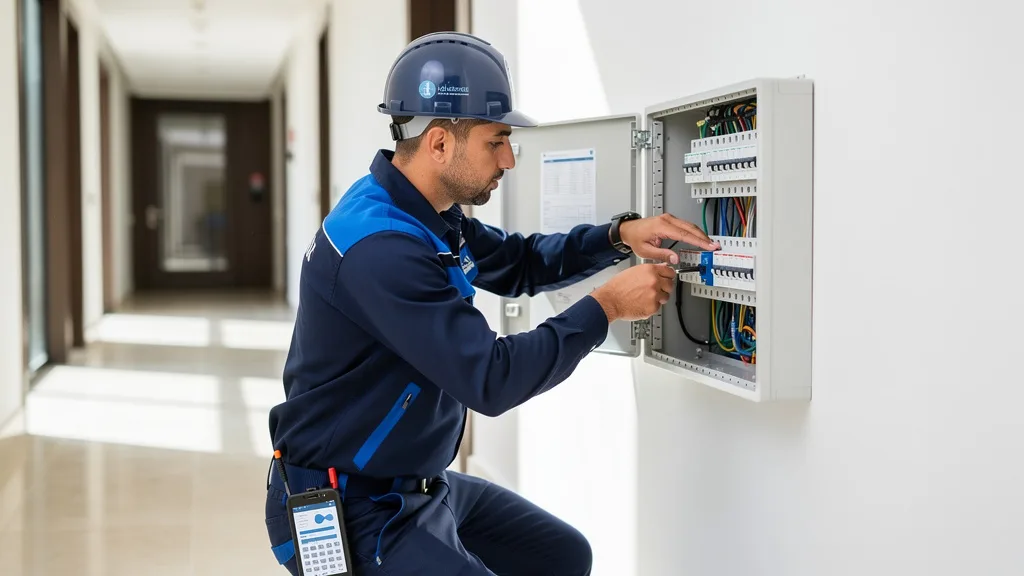
However, if the RCD trips again immediately after you reset it, do not try to force it or hold it in the 'On' position. A persistent trip is a clear warning sign of an ongoing electrical fault that needs to be properly diagnosed and repaired. Ignoring this could lead to appliance damage, fire, or a serious risk of electric shock. A recurring issue is a signal to stop and call for professional assistance.
"Resetting a tripped RCD once is usually fine, but if it trips again, it's a clear signal from your electrical system that something is wrong. Don't ignore it; it's a safety feature doing its job and telling you to investigate the cause or call a professional."
Common Causes for an RCD Tripping
Understanding why your RCD is tripping is key to preventing it from happening again. The issue usually falls into one of three categories: overloaded circuits, faulty appliances, or problems with the wiring itself. Identifying the root cause is essential for a long-term solution.
Overloaded Circuits
While RCDs primarily detect earth faults, they are often paired with MCBs (Miniature Circuit Breakers) that handle overloads. Sometimes, people refer to the entire unit tripping. An overload happens when you try to draw more power from a circuit than it is designed to handle. For example, running a kettle, microwave, and air fryer all from the same socket extension can easily overload the circuit and cause it to trip.
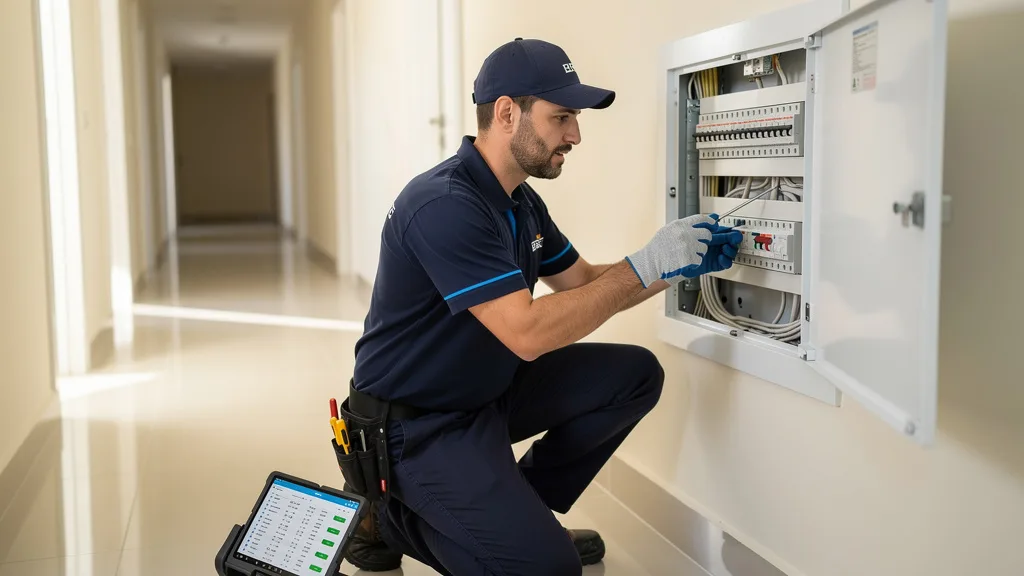
This is a protective measure to prevent the circuit's wiring from overheating and creating a fire hazard. The solution is simple: distribute your high-power appliances across different circuits and avoid using too many at once.
Faulty Appliances
A faulty appliance is the most common reason for an RCD to trip. Over time, the wiring or components inside appliances like washing machines, dishwashers, kettles, fridges, or even phone chargers can degrade. This can cause a small amount of electrical current to leak to the earth casing of the appliance, which the RCD will instantly detect, cutting off the power.
Appliances with heating elements or motors are frequent culprits. Water heaters and outdoor equipment are also particularly susceptible due to their exposure to moisture. Identifying the specific faulty appliance is a critical troubleshooting step.
Wiring Issues or Water Damage
Sometimes the fault isn't with an appliance but with the fixed wiring of your home. This is a more serious issue. Water ingress from a plumbing leak, a leaking roof, or even condensation from an AC unit can get into sockets or junction boxes, causing a short circuit. For any signs of water near your electrics, you might need to check for the signs you need an emergency plumber.
Older wiring can also deteriorate over time, with insulation becoming brittle and cracking. DIY electrical work done incorrectly or damage from pests can also compromise your system's integrity, leading to persistent tripping that requires a professional DEWA approved electrician.
How to Reset a Tripped RCD: A Step-by-Step Guide
If your power has gone out and you've identified a tripped RCD, following a methodical process can help you safely restore power and find the source of the problem. This clear step guide ensures you take the correct precautions.
Step 1: Turn Off and Unplug All Appliances
Before you touch the consumer unit, go through the affected area of your home and switch off every electrical item. More importantly, physically unplug them from the wall sockets. This includes everything from your television and kitchen appliances to lamps and chargers. This step is crucial because it isolates the circuit from any potentially faulty devices, giving you a clean slate to work with.
Step 2: Locate and Flip the RCD Switch Back On
Go to your consumer unit. You will see the RCD switch in the 'Off' position (usually down). Firmly push the switch back into the 'On' position (usually up). If the switch stays on, the immediate fault has been cleared, and you can proceed to the next step. If it clicks back off immediately, there is a persistent fault in the fixed wiring or an appliance you missed. Do not force it. This is when you should call an electrician.
Step 3: Restore Power and Test the Circuit
With the RCD now on, return to the room and begin plugging in your appliances one by one. Switch each one on after you plug it in. The goal is to see which appliance causes the RCD to trip again. When the RCD trips, the last appliance you plugged in is almost certainly the source of the fault. Unplug that item and repeat the reset process to confirm the rest of the circuit is okay.
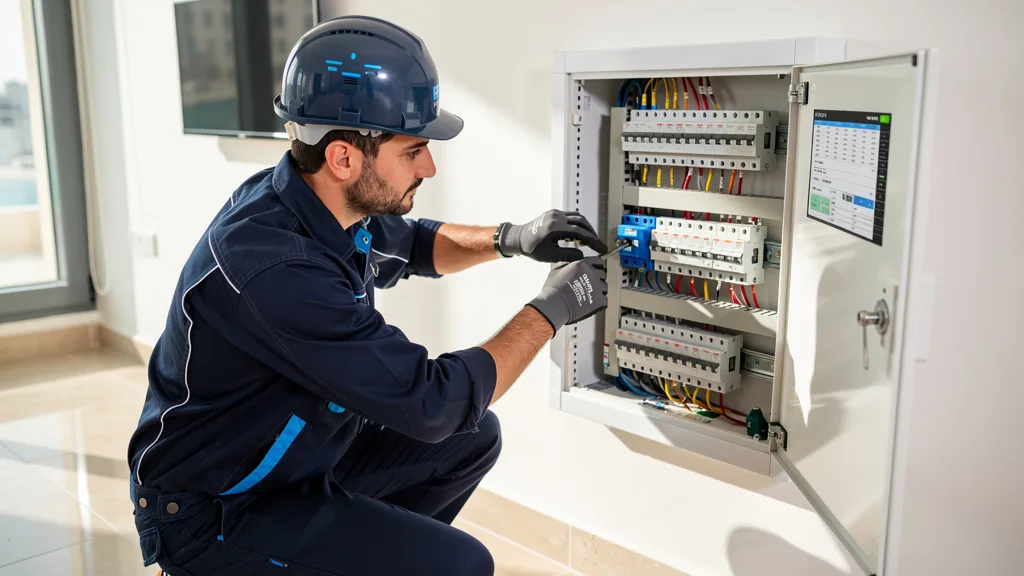
Troubleshooting: What to Do if the RCD Keeps Tripping
An RCD that keeps tripping can be frustrating, especially if it happens intermittently. If a simple reset doesn't solve the issue, you'll need to do some more detailed detective work. This process helps you differentiate between a single faulty item and a more complex problem.
The method described in Step 3 above is the core of your troubleshooting. Be patient and methodical. If you have many appliances, it can take time. Plug in one item, wait a minute, and if all is well, move to the next. The moment the power cuts, you have found your culprit. That faulty appliance should not be used again until it has been professionally repaired or replaced.
Remember to check everything, including extension leads and multi-plugs, as these can also develop faults. Once you have identified and removed the faulty item, you can reset the RCD and restore power to the rest of your devices.
Checking for Nuisance Tripping vs. a Real Fault
In some cases, an RCD might trip without a single, clear faulty appliance. This is sometimes called 'nuisance tripping'. It can happen when the combined, normal, small earth leakages from many modern electronic devices add up to a level that is high enough to trip the RCD. This is more common in homes with lots of computers, TVs, and other electronics.
However, it is very difficult for a homeowner to distinguish true nuisance tripping from a developing fault in the fixed wiring. If you cannot find a faulty appliance and the tripping continues, it's safer to assume there is a real fault. You can explore what's covered in a standard handyman call-out for minor issues, but persistent electrical trips warrant a specialist. For more insights on this topic, you can review why an RCD Keeps Tripping? Here's Why to understand the complexities.
When to Call a DEWA-Approved Electrician in Dubai
While some troubleshooting is safe for homeowners, there are clear signs that indicate you should stop and immediately call a professional. Electrical work is not a DIY task, and using a certified technician ensures the safety of your family and your property. investigate the cause.
Signs of a Serious Electrical Problem
Do not attempt any further resets if you notice any of the following red flags. Contact a qualified electrician immediately if:
- The RCD trips instantly every time you try to reset it, even with everything unplugged.
- You smell burning or see smoke coming from the consumer unit, sockets, or switches.
- There are visible scorch marks or discoloration around any electrical fittings.
- You hear a buzzing or crackling sound from the consumer unit.
- Someone has received an electric shock, no matter how minor.
Finding an Approved Electrician for Same-Day Service
In Dubai, it is mandatory to use a DEWA-approved electrician for any work on your home's fixed wiring. This ensures the technician is qualified, knowledgeable about local regulations, and properly insured. Our company provides certified and experienced electricians who can diagnose faults quickly and safely.
We offer transparent, upfront pricing and a 30-day warranty on our work, giving you peace of mind. For urgent issues, we provide emergency electrical services across Dubai to get your power restored safely and efficiently. Attempting to fix complex electrical problems yourself can be dangerous and may invalidate your home insurance.
| Task | DIY Action | When to Call a Professional |
|---|---|---|
| Single RCD Trip | Safe to attempt one reset after unplugging appliances. | If you are unsure or uncomfortable with the process. |
| Identifying Faulty Appliance | Can be done by plugging in items one by one. | If the RCD keeps tripping with everything unplugged. |
| RCD Trips Repeatedly | Do not keep resetting. Stop and unplug everything. | Immediately. This indicates a persistent fault. |
| Burning Smell or Scorch Marks | Do not touch anything. | Immediately. This is an emergency situation. |
| Replacing an RCD or Socket | Never attempt this yourself. | Always. This requires a licensed electrician. |
Key Takeaways
Navigating a power trip can be simple if you remember a few key points. This summary will help you recall the most important steps for handling a tripped RCD in your Dubai home.
- Safety First: The RCD is a life-saving device. A trip means it's working correctly to protect you from a potential electrical fault.
- Common Culprits: Faulty appliances (like kettles and washing machines) and overloaded circuits are the most frequent causes of a tripped RCD.
- The Reset Process: Follow the safe, three-step method: 1. Unplug everything. 2. Reset the RCD. 3. Plug appliances back in one by one to find the faulty item.
- Know Your Limits: If the RCD trips immediately and repeatedly, or if you see any signs of burning or damage, stop and call a professional.
- Always Use a Pro: For any work beyond simple resets, always hire a certified, DEWA-approved electrician in Dubai to ensure safety and compliance.
Frequently Asked Questions
Here are answers to some of the most common questions we receive about RCDs and electrical trips in Dubai homes.
Can I change an RCD myself?
No, you should never attempt to change an RCD or any part of your consumer unit yourself. This is a complex task that requires a deep understanding of electrical systems. In Dubai, it is also a legal requirement that such work is carried out only by a qualified and DEWA-approved electrician to ensure it is done safely and to the correct standards.
What is the difference between an RCD and an MCB?
An RCD (Residual Current Device) and an MCB (Miniature Circuit Breaker) offer different types of protection. An RCD protects people from serious electric shock by detecting earth faults. An MCB protects the electrical circuit and appliances from damage caused by overcurrent, which happens during an overload or a short circuit. Most modern consumer units have both.
Why does my power keep tripping when it rains?
If your power consistently trips when it rains, the most likely cause is water ingress. Moisture is getting into some part of your electrical system, such as an outdoor light, an external socket, or even through a small leak in a wall or roof affecting the internal wiring. This creates a path for electricity to leak to the earth, causing the RCD to trip. This issue requires an electrician to trace and seal the source of the moisture.
How often should I test my RCD?
You should test your RCDs every six months to ensure they are in good working order. To do this, simply press the button marked 'T' or 'Test' on the device. The switch should immediately click into the 'Off' position, cutting power to the circuit. If it doesn't trip, the RCD is faulty and must be replaced by a qualified electrician as soon as possible, as it no longer offers protection.
Conclusion
Knowing how to reset a tripped RCD is a valuable skill for any resident in Dubai. By following the safe unplug, reset, and test method, you can often resolve the issue yourself and identify a faulty appliance. However, it is just as important to recognize the signs of a more serious electrical problem. If the RCD keeps tripping or you notice any danger signs like burning smells or scorch marks, the safest and only correct action is to call a professional. Your safety is always the top priority.
If you've tried these steps and your RCD continues to trip, or if you feel unsure about handling any electrical issue in your home, don't take risks. Our team of certified, DEWA-approved electricians is available across Dubai for same-day service to diagnose and fix the problem safely. Book a Service Now.
Need certified on-demand property maintenance in Dubai?
Sub-4 hour response SLA • 30-day labor warranty • Upfront pricing from AED 180.