
Electrician vs. Handyman in Dubai: Who to Hire in 2026
Deciding between an electrician vs. a handyman in Dubai for electrical work? Our 2026 guide explains the key differences in licensing, safety, and cost.
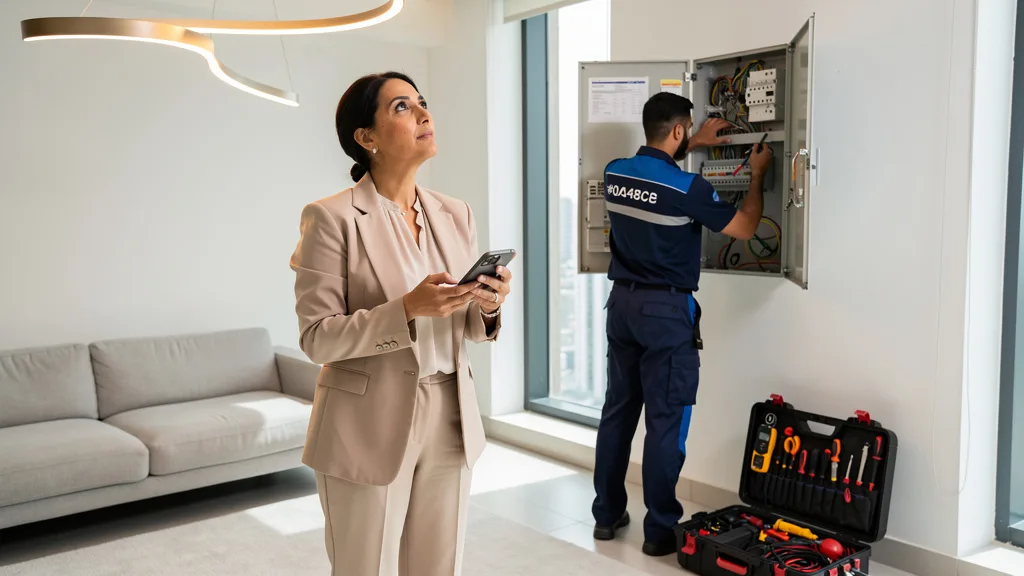
When a light flickers or an outlet stops working in your Dubai home, who should you call? The choice between a licensed electrician and a general handyman is more than a matter of cost; it's a critical decision for your safety, legal compliance, and peace of mind. For anything beyond the most basic tasks, the answer is always a certified professional.
Choosing between an Electrician vs Handyman in Dubai: Who Should Handle Electrical Work? boils down to one primary factor: licensing. A licensed electrician is certified by the Dubai Electricity and Water Authority (DEWA) and is legally permitted to perform complex electrical installations, repairs, and diagnostics. A handyman, while skilled in many areas, is legally restricted to minor tasks that do not involve altering the core electrical system, ensuring your home remains safe and compliant with local regulations.
Electrician vs. Handyman in Dubai: The Critical Difference
In Dubai, the distinction between an electrician and a handyman is strictly defined by law and professional qualifications. The primary difference lies in certification and the legal scope of work. An electrician undergoes extensive training and must be approved by DEWA, which grants them the authority to handle the full spectrum of electrical systems. This includes everything from wiring a new building to troubleshooting a complex circuit breaker issue.
A handyman, on the other hand, is a generalist skilled in a variety of minor home repairs and maintenance tasks. While invaluable for jobs like assembling furniture, hanging pictures, or fixing a leaky tap, they lack the specialized training and legal authority to perform most electrical work. Using a handyman for tasks reserved for an electrician can void your property insurance, lead to unsafe conditions, and violate Dubai's building codes. Understanding this division is the first step in making a safe and informed hiring decision for any job in your home or office.
Defining the Role of a Licensed Electrician
A licensed electrician is a highly trained specialist whose profession is dedicated exclusively to the installation, maintenance, and repair of electrical systems. In Dubai, their role is officially governed and validated, ensuring they possess the expertise to work safely with complex and high-voltage infrastructure. They are not simply repair people; they are certified professionals responsible for ensuring that all electrical work meets stringent safety and quality standards set by local authorities.
Hiring a licensed professional is non-negotiable for any task that involves direct interaction with your property's wiring, circuits, or electrical panel. Their work is guaranteed to be compliant, safe, and effective, protecting your property and its occupants from the significant dangers of faulty electrical installations. They are the only professionals authorized to handle tasks that could impact your entire electrical system.
Qualifications and DEWA Certification
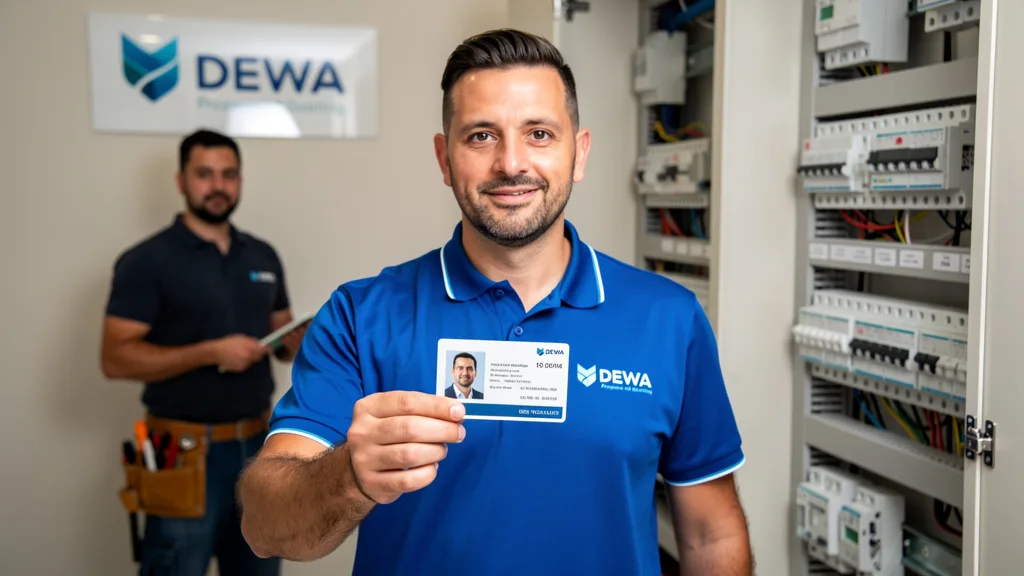
To legally work as an electrician in Dubai, an individual must hold a certification from the Dubai Electricity and Water Authority (DEWA). This is not merely a suggestion; it is a mandatory requirement. The DEWA certification process is rigorous, ensuring that the technician is thoroughly vetted and has demonstrated a comprehensive understanding of electrical theory, practical skills, safety protocols, and the specific wiring regulations applicable to the UAE.
This qualification is your assurance that the electrician is up to date with the latest safety standards and installation techniques. When you hire a DEWA-certified electrician, you are bringing in a professional who is accountable for their work and recognized by the city's governing utility body. Always ask to see proof of this certification before allowing any electrical work to commence.
Scope of Permitted Electrical Services
The scope of work for a licensed electrician is extensive and covers all aspects of a building's electrical infrastructure. They are legally authorized to perform a wide range of critical tasks that a handyman cannot. These are jobs that require deep technical knowledge and adherence to strict safety codes.
Authorized services performed by a certified electrician include:
- Installing new electrical circuits for appliances or room additions.
- Diagnosing and repairing complex electrical faults and power outages.
- Upgrading or replacing main electrical panels and fuse boxes.
- Hardwiring new light fixtures, ceiling fans, and major appliances.
- Installing, moving, or repairing electrical outlets and switches.
- Conducting safety inspections and ensuring code compliance for property sales or renovations.
- Obtaining necessary permits for major electrical projects.
Defining the Role of a General Handyman
A general handyman is a versatile and valuable professional for any homeowner or property manager in Dubai. Their expertise lies in handling a wide array of small-scale repairs, maintenance tasks, and minor installations that do not require specialized licensing. A good handyman can save you significant time and effort by efficiently tackling a long list of odd jobs around your home or office in a single visit.
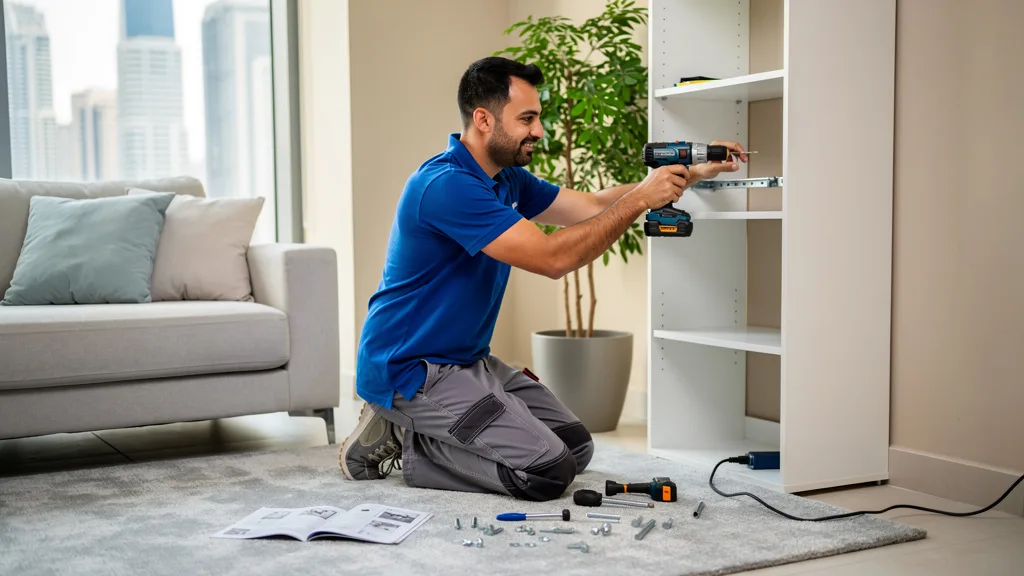
The key is to understand their role as a generalist. They are masters of the "fix-it" list, from patching drywall to assembling flat-pack furniture. However, their skills, while broad, have clear legal and safety boundaries, particularly when it comes to systems like electrical, plumbing, and gas lines. Recognizing these limits is essential for using their services appropriately and safely.
Common Skills and Task Range
A professional handyman's skillset is impressively diverse. They are the ideal choice for tasks that enhance the functionality and aesthetics of your space without altering its core infrastructure. A handyman can be your go-to expert for a variety of common household needs.
Typical jobs suitable for a handyman include:
- Assembling furniture and shelving units.
- Hanging pictures, mirrors, and curtains.
- Minor carpentry repairs, such as fixing a squeaky door or a sticky cabinet.
- Patching small holes in drywall and performing minor touch-up painting.
- Replacing a faucet washer or clearing a simple drain clog.
- Changing hard-to-reach light bulbs or replacing smoke detector batteries.
Legal Limitations on Electrical Work
This is the most critical distinction. In Dubai, and indeed in most regulated regions worldwide, a handyman is legally prohibited from performing most electrical work. This limitation is in place to protect consumers from the severe risks of fire, electrical shock, and property damage that can result from improper installations or repairs. The work they can do is strictly superficial.
A handyman can legally perform tasks like changing a light bulb or replacing the plastic cover plate on a switch or outlet. However, they cannot replace the switch or outlet mechanism itself, as this involves disconnecting and reconnecting wires. Any task that requires opening up a wall, accessing junction boxes, or modifying the building's permanent wiring is firmly outside their legal scope. For more information, you can review details on What'S the Difference Between a Handyman and an electrician from other local experts.
Side-by-Side Comparison: Key Factors for 2026
To make the right choice for your needs in 2026, it's helpful to see a direct comparison of the key attributes of an electrician versus a handyman. This breakdown clarifies where their roles diverge and helps you match the right professional to your specific task. The deciding factors always come back to the complexity of the work, legal requirements, and long-term safety.
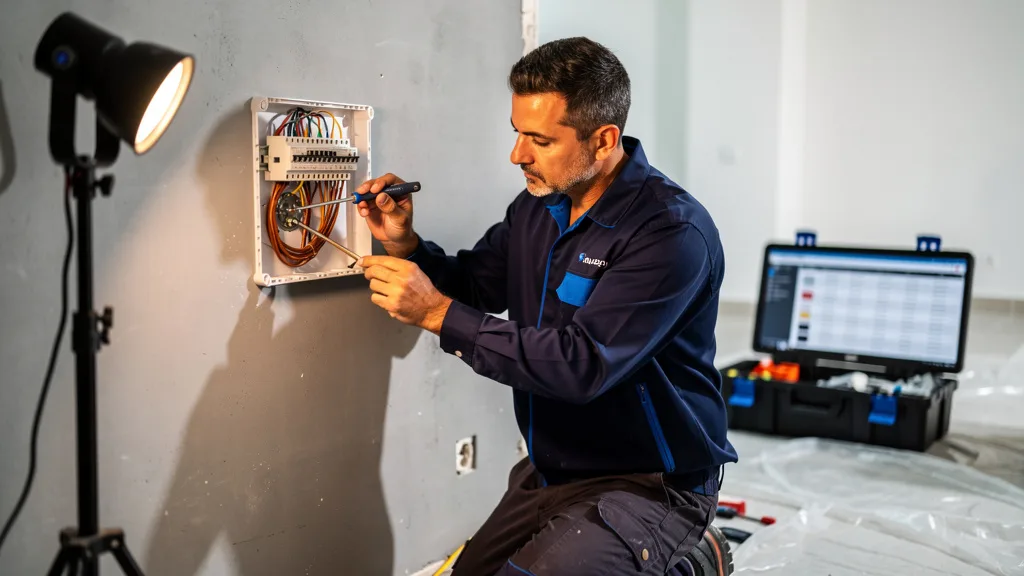
Thinking through these categories before you make a call can prevent costly mistakes, project delays, and serious safety hazards. While a handyman may seem like a cheaper option initially, the potential costs of fixing improper electrical work far outweigh the initial savings. Always prioritize safety and compliance.
| Factor | Licensed Electrician | General Handyman |
|---|---|---|
| Scope of Work | Full range of electrical systems: wiring, panels, circuits, diagnostics, installations. | Minor tasks only: changing bulbs, replacing switch covers, assembling non-wired fixtures. |
| Licensing & Certification | Mandatory DEWA certification required to work legally in Dubai. | No specific license for electrical work. Not authorized to perform it. |
| Insurance & Liability | Carries professional liability insurance covering electrical work. | General liability insurance typically excludes licensed electrical work. |
| Safety & Compliance | Trained in all local electrical codes and safety protocols. Work is guaranteed compliant. | Not trained in electrical codes. Work may be unsafe and non-compliant. |
| Typical Cost | Higher hourly rate due to specialized skills, training, and insurance. Billed per job or hour. | Lower hourly rate. Often suitable for a list of multiple small jobs. |
Scope of Work and Complexity
The complexity of the task is your primary guide. If the job involves manipulating any part of the permanent electrical wiring system, you need an electrician. This includes installing a new power outlet where one didn't exist before, running wires for a new ceiling fan, or trying to figure out why a circuit breaker keeps tripping. These tasks require an understanding of electrical loads, circuit protection, and safe wiring practices.
A handyman's scope is limited to tasks that do not interact with the building's wiring. For example, they can assemble and place a floor lamp that plugs into an existing outlet, but they cannot install a hardwired wall sconce. They can replace the cover plate of a light switch, but not the switch mechanism behind it. If you can't unplug it, it's likely a job for an electrician.
Licensing, Insurance, and Legal Compliance
Licensing is the bright line separating an electrician from a handyman for electrical work. A DEWA-certified electrician has proven their competence and is legally permitted to perform these services in Dubai. This license is tied to their ability to carry the correct professional liability and workmen's compensation insurance. If something goes wrong, their insurance provides a safety net for you and your property.
A handyman's insurance will almost certainly not cover damages arising from unauthorized electrical work. If a fire starts due to a faulty repair they made, you could be left with the entire financial burden. Furthermore, your own homeowner's insurance may deny the claim if they discover unpermitted and unlicensed electrical work was performed. Hiring Electrical Services in Dubai requires careful consideration of these compliance issues.
Safety and Adherence to Dubai's Electrical Standards
Dubai's electrical standards are in place for a reason: to prevent fires and ensure the safety of residents. DEWA-certified electricians are trained specifically on these standards, which dictate everything from the correct wire gauge for a circuit to the proper grounding of an entire system. They understand the unique considerations for properties in the UAE, including climate-related factors that can affect electrical installations.
A handyman, through no fault of their own, lacks this specialized training. They may unknowingly use incorrect materials or techniques that seem to work initially but create a hidden fire hazard or risk of electric shock down the line. Adherence to safety codes is not optional, and only a licensed electrician can guarantee it.
Cost Structures and Typical Rates
It is true that a licensed electrician typically has a higher hourly rate than a handyman. This reflects their extensive training, certification costs, specialized tools, and insurance premiums. Electricians may charge a call-out fee plus an hourly rate, or provide a fixed quote for a specific project. While the upfront cost is higher, it represents the price of safety, compliance, and guaranteed quality.
A handyman usually offers a more affordable hourly rate, which makes them an excellent value for a list of non-specialized tasks. Our company offers transparent, upfront pricing for both services, starting from AED 180 for a call-out. You can review our full consolidated home maintenance pricing guide to understand the costs. However, attempting to save money by hiring a handyman for an electrician's job is a dangerous gamble that can lead to far greater expenses in the long run.
When You Must Hire a Professional Electrician
There are many situations where the choice is clear and the law is absolute: you must hire a professional, licensed electrician. These scenarios involve work that is complex, potentially dangerous, and directly impacts the core safety and functionality of your property's electrical system. Attempting to DIY these tasks or hiring an unqualified person is a significant risk.
"For any electrical work beyond changing a lightbulb, the question of an electrician vs. handyman in Dubai has a clear answer. For the safety of your family and the protection of your property, always choose a DEWA-certified professional. The risk is never worth the savings." - Expert Technician View
Installing New Circuits or Outlets
Any time you need to add a new electrical service where one does not currently exist, you must hire an electrician. This includes running a new dedicated circuit for a heavy-duty appliance like an oven or an AC unit, or adding a new power outlet to a room. This work involves cutting into walls, running new wires from the main panel, and installing a new breaker. It requires precise calculations to avoid overloading the system and is far beyond the scope of a handyman.
Diagnosing and Repairing Electrical Faults
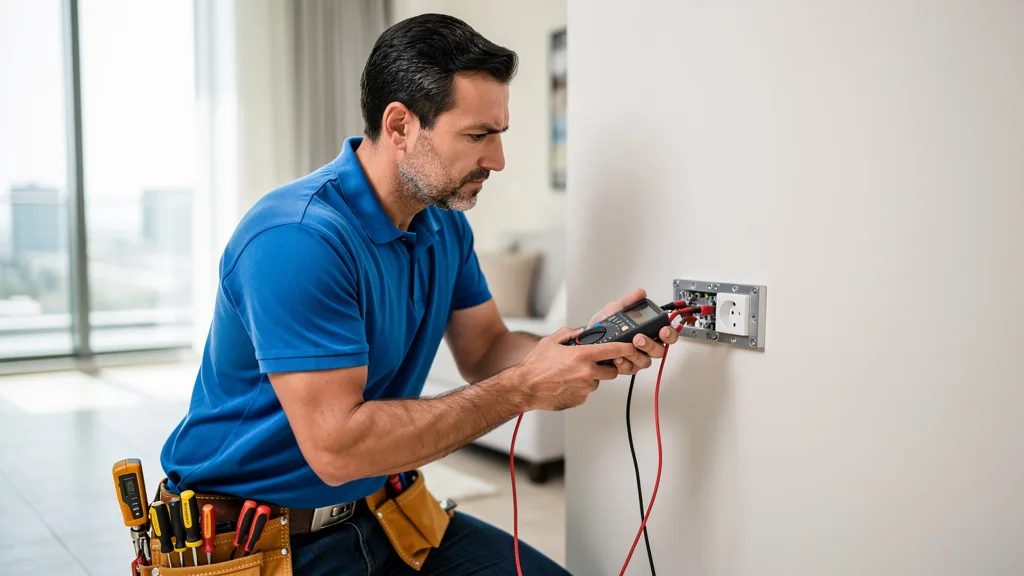
If your lights are flickering, a circuit breaker repeatedly trips, or you smell a burning odor from an outlet, you are dealing with an electrical fault. These are not minor issues; they are symptoms of a potentially dangerous problem within your wiring. A licensed electrician uses specialized diagnostic tools like multimeters and circuit tracers to safely identify the root cause of the problem, whether it's a short circuit, an overloaded circuit, or a faulty component, and perform the correct repairs.
Upgrading Electrical Panels and Systems
The electrical panel, or distribution board, is the heart of your home's electrical system. Any work on this panel, including replacing old fuses with modern circuit breakers or upgrading the entire panel to handle more capacity, is a major job. It is extremely dangerous and legally requires a licensed electrician. They will ensure the new panel is installed correctly, balanced, and compliant with all DEWA regulations.
Any Work Requiring a Permit
In Dubai, major electrical work, such as rewiring a home, significant renovations, or service upgrades, requires a permit from the relevant authorities. Only a licensed electrical contractor can apply for and obtain these permits. If your project requires a permit, it is by definition a job for an electrician. Proceeding without one can lead to fines and orders to remove the unpermitted work.
When a Handyman Is a Suitable Choice
While the list of electrical tasks for a handyman is short, they are still an incredibly useful resource for many other home maintenance needs. For small, non-electrical or electrically superficial tasks, a handyman is often the most efficient and cost-effective choice. Knowing when to call them can save you time and money on jobs that don't require a specialized tradesperson.
Changing Light Bulbs or Fuses
One of the most common tasks for a handyman is changing light bulbs, especially in hard-to-reach fixtures like high ceilings or complicated chandeliers. They have the right ladders and experience to do this safely and quickly. Similarly, if your property still uses an old-style fuse box, a handyman can identify and replace a blown fuse, which is a simple replacement task.
Replacing Switch and Outlet Covers
If your switch plates or outlet covers are cracked, discolored, or you simply want to update them to a more modern style, this is a perfect job for a handyman. This task is purely cosmetic. It involves removing one or two screws, taking off the old plastic plate, and putting on a new one. The handyman does not and should not touch any of the wires or the electrical device behind the plate.
Assembling Fixtures Without Hardwiring
A handyman is the ideal professional to assemble and set up any electrical fixture that simply plugs into an existing wall outlet. This includes floor lamps, desk lamps, and some home entertainment systems. They can build the item, place it where you want it, and manage the cables neatly. The key distinction is that the fixture is not being permanently wired into the building's electrical system.
Major Risks of Using a Handyman for Complex Electrical Work
Choosing to hire a handyman for a job that requires a licensed electrician is one of the most dangerous decisions a homeowner can make. The potential savings are minuscule compared to the catastrophic risks, which include immediate safety hazards and long-term financial liabilities. These risks are not theoretical; they are real-world consequences that emergency services and insurance companies deal with regularly.
The primary risk is fire. Faulty wiring is a leading cause of residential fires. An incorrect connection, an overloaded circuit, or the use of improper materials can generate intense heat, sparking a fire inside your walls that can go undetected until it's too late. Another major risk is electric shock, which can cause serious injury or even death. Finally, you face legal and financial risks, including voided insurance policies, fines from building authorities, and the high cost of having a licensed electrician redo the unsafe work from scratch. Making the right choice in the electrician vs handyman in Dubai debate is crucial for avoiding these outcomes.
Key Takeaways
Navigating your home maintenance needs in Dubai requires knowing who to call for the right job. When it comes to electrical work, the choice is clear and critical. Here are the essential points to remember:
- Licensing is Law: For any work involving wiring, circuits, or electrical panels, you must hire a DEWA-certified electrician. It's a legal and safety requirement in Dubai.
- Scope Defines the Role: Electricians handle complex, dangerous tasks like installations and fault repairs. Handymen are for minor, non-electrical jobs like furniture assembly or changing a light bulb.
- Safety is Non-Negotiable: Improper electrical work is a leading cause of house fires. A licensed electrician guarantees adherence to safety codes, while a handyman cannot.
- Cost Reflects Expertise: While an electrician's rate is higher, it covers specialized training, insurance, and compliance. Using a handyman for electrical work is a false economy that can lead to much higher costs later.
- When in Doubt, Call a Pro: If you are unsure whether a task requires an electrician, err on the side of caution and call a certified professional.
Frequently Asked Questions
How much does it cost to hire a handyman in Dubai?
The cost to hire a handyman in Dubai typically starts with a call-out fee, with subsequent charges billed hourly. As of 2026, rates can begin from around AED 180 for the first hour. The final price depends on the duration and complexity of the tasks. It's often cost-effective to prepare a list of small jobs to be completed in a single visit.
What are the official electrical standards in Dubai?
Many professional companies offer transparent pricing packages. For example, you might book a handyman for a set number of hours to complete various tasks like hanging pictures, assembling furniture, and minor repairs. Always confirm pricing structures before booking to avoid surprises.
Is it more difficult to be an electrician or a plumber?
The official electrical standards in Dubai are set and enforced by the Dubai Electricity and Water Authority (DEWA). These regulations are detailed in their "Regulations for Electrical Installations" publication. They are based on British Standards (BS 7671) but include specific amendments for the local climate and infrastructure. These standards cover all aspects of wiring, circuit protection, grounding, and installation safety.
Can a handyman legally perform minor electrical repairs in Dubai?
Only DEWA-certified electricians are trained on these specific standards and are authorized to perform work that complies with them. This ensures the safety, reliability, and efficiency of all electrical systems across the emirate. Adherence to these standards is mandatory for all new construction and major renovations.
What insurance should I look for when hiring for electrical services?
Both electricians and plumbers are highly skilled trades that require extensive training and apprenticeship. Neither is definitively "more difficult," as they involve different types of challenges. Electricians work with complex, abstract concepts like voltage and circuits, where mistakes can be instantly dangerous and invisible. They must master detailed codes and mathematical formulas.
Plumbers work with physical systems of pipes and pressure, often in challenging physical conditions. Their work requires spatial reasoning and mechanical skill to prevent leaks, which can cause extensive property damage over time. Both professions are physically demanding and require a strong commitment to safety and problem-solving.
A handyman cannot legally perform most electrical repairs in Dubai. Their scope is strictly limited to superficial tasks that do not involve altering the fixed wiring. They can change a light bulb or replace a cosmetic switch plate cover. However, they cannot replace the actual switch, outlet, or light fixture, as this requires manipulating electrical wires.
Any repair involving the electrical circuit itself, no matter how "minor" it seems, must be performed by a licensed and DEWA-certified electrician. This is a critical safety and legal distinction to protect property owners from the risks of fire and electric shock.
When hiring a company for electrical services, you should ensure they have comprehensive insurance coverage. This includes Public Liability Insurance, which covers accidental damage to your property during the course of the work. It is also crucial that they have Professional Indemnity Insurance, which protects you against financial loss resulting from faulty design or incorrect advice.
Furthermore, the company must have Workmen's Compensation Insurance for their employees. This ensures that if a technician is injured on your property, their medical costs and lost wages are covered by the employer's policy, not you. A reputable company will be able to provide proof of these insurance policies upon request.
Conclusion
Ultimately, the decision between an electrician and a handyman in Dubai is a matter of safety, legality, and common sense. For any task involving your property's wiring, circuits, or electrical panel, the only correct choice is a DEWA-certified electrician. While a handyman is a fantastic asset for countless small home repairs, electrical work is a specialized field where expertise is not just beneficial, it's essential. Prioritizing certified professionals protects your home from fire hazards, ensures your insurance remains valid, and guarantees the work is done right the first time.
Don't compromise on safety to save a few dirhams. For reliable, certified, and safe electrical and handyman services across Dubai, our team is ready to help. We provide transparent pricing and a 30-day warranty on our work, giving you complete peace of mind. Book a Service Now to have a qualified technician resolve your issue safely and efficiently.
Need certified on-demand property maintenance in Dubai?
Sub-4 hour response SLA • 30-day labor warranty • Upfront pricing from AED 180.