
Dubai Villa Snagging Checklist: Your Complete 2026 Guide
Finalizing your new villa? Our 2026 guide serves as a detailed snagging list and a post vacation home checklist for Dubai villas to ensure everything is.
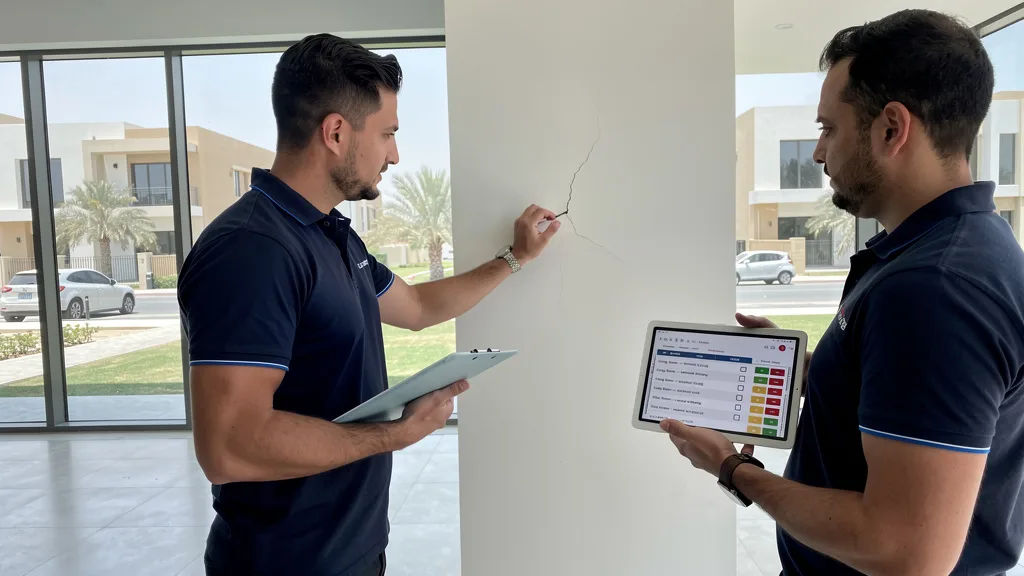
Are you ready to take possession of your dream villa in Dubai, but worried about hidden defects lurking behind fresh paint and new fixtures? The moment you receive the keys to a new property is exciting, but it's also a critical time to ensure the quality you paid for has been delivered. Overlooking small issues now can lead to significant expenses and headaches later.
A property snagging inspection is a comprehensive quality check of your new-build villa, designed to identify any defects, or "snags," before you officially accept the property from the developer. This process is your single best opportunity to have issues like faulty wiring, leaky pipes, or cosmetic flaws rectified at the developer's expense. This guide provides a complete room-by-room checklist and expert advice to empower you during the 2026 Dubai property handover process.
What Is Property Snagging and Why Is It Crucial for Villa Owners?
Property snagging is the formal process of inspecting a newly constructed property to compile a list of defects that the developer must fix. These defects can range from minor cosmetic issues, such as a paint splash on a window frame, to major structural or mechanical problems, like an improperly installed air conditioning unit. The goal is to ensure the home meets the agreed-upon standards and is free from faults before the final handover is complete.
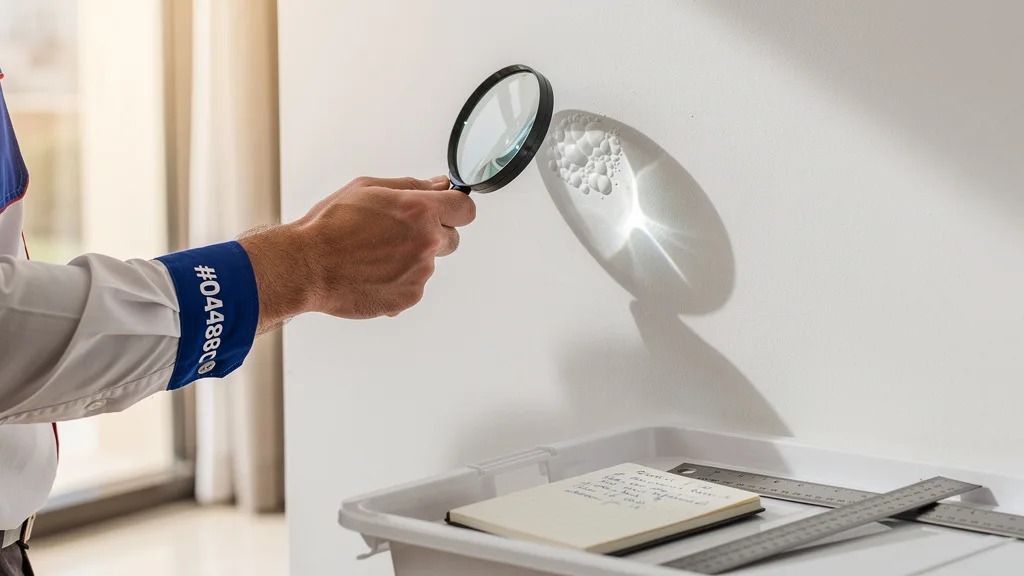
For villa owners in Dubai, this step is non-negotiable. Your Sales and Purchase Agreement (SPA) entitles you to a home built to a certain standard of quality. Snagging is the mechanism that enforces this agreement. Without a thorough inspection, you implicitly accept the property "as is," and rectifying any subsequent discoveries could fall on your shoulders financially. Think of it as the most detailed post vacation home checklist for Dubai villas you'll ever conduct, but this one happens before you even move in to secure your investment.
Ultimately, a meticulous snagging process provides immense peace of mind. It ensures your new home is safe, functional, and finished to the highest standard. Identifying and resolving issues early prevents them from escalating into more complex problems, allowing you to settle into your new life in Dubai without the stress of unexpected repairs. The differences in upkeep are significant, as outlined in the guide to villa vs. apartment maintenance.
Understanding the Dubai Property Handover Process in 2026
The property handover process in Dubai involves several key stages, and knowing where snagging fits in is vital for protecting your rights. Typically, once the developer notifies you that your villa is ready, they will invite you for an initial inspection. This is your prime opportunity to conduct the snagging survey. The process culminates in the creation of a snagging report, which is submitted to the developer for rectification works.
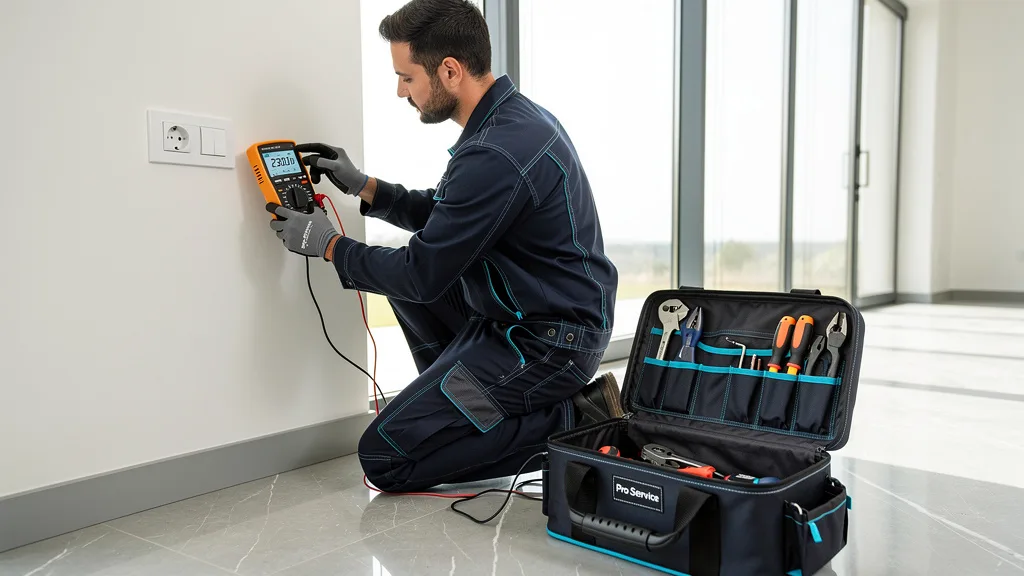
Navigating this process requires a clear understanding of both the timeline and your legal standing. Developers have their own procedures, but the fundamental rights of the buyer are protected under Dubai's property laws. Being prepared and knowing what to expect can make the difference between a smooth handover and a contentious dispute. When you're considering buying a villa in Dubai?, understanding this process from the start is a major advantage.
Key Timelines for Your Snagging Inspection
The ideal time to conduct your snagging inspection is after the developer has confirmed the construction is 100% complete but before you make the final payment and take possession of the keys. This gives the developer a clear window to fix the identified snags without disrupting your move-in plans. Once you receive the notice of completion, you should schedule your inspection as soon as possible.
After you submit your snagging report, the developer will carry out the necessary repairs. You should then conduct a second inspection, or "de-snagging," to ensure all items on your list have been addressed satisfactorily. Only after you are content with the condition of the villa should you sign the final handover documents. Remember, your leverage is greatest before the final payment is made.
Your Legal Rights During the Handover
Your primary legal protection during the handover is your Sales and Purchase Agreement (SPA). This document outlines the developer's obligations regarding the property's specifications and quality. UAE law also provides a crucial safety net known as the Defect Liability Period (DLP). This period legally requires the developer to repair any structural defects for ten years and all other defects for one year following the handover.
However, relying solely on the DLP can be complicated. It's far more effective to identify and report issues before you take possession. If a developer is unresponsive or disputes valid snags, you have recourse through the Dubai Land Department (DLD) and the Real Estate Regulatory Agency (RERA). Maintaining a clear, well-documented paper trail of your inspection report and all communications is essential if you need to escalate a dispute. Annual Maintenance Contract (AMC).
The Ultimate Room-by-Room Villa Snagging Checklist
A methodical, room-by-room approach is the best way to ensure no detail is missed during your inspection. Arm yourself with a notepad, a camera, and this checklist to systematically work your way through your new villa. Place small colored stickers next to each defect you find to make them easy for the developer's team to locate later.
Exterior, Garden, and Entryway Inspection
Your inspection should begin before you even step inside. Examine the villa's exterior, including boundary walls, gates, pathways, and any landscaping. Check for cracks in the plaster or paint, ensure gates and doors lock securely, and test the doorbell and any exterior lighting. Look for proper drainage around the property to prevent water pooling. If you have a pool, a separate, detailed check is warranted, similar to a regular swimming pool maintenance inspection.
Living, Dining, and Common Areas
In the main living spaces, your focus should be on the finishes. Inspect floors for scratches, chips, or stains. Run your hand along walls and ceilings to feel for imperfections in the plaster and paintwork. Open and close all windows and doors to ensure they operate smoothly and seal correctly. Finally, test every single light switch and power socket to confirm they are functional and properly installed.
Kitchen and Utility Room Checks
The kitchen is a hub of complex systems that require careful inspection. Open and close every cabinet and drawer to check for alignment and smooth operation. Scrutinize countertops for scratches or poor sealing, especially around the sink. If appliances are included, test each one. Most importantly, check the plumbing under the sink for any signs of leaks and ensure the extractor fan is working effectively.
Bedrooms, Closets, and Finishes
In the bedrooms, pay close attention to the details. Inspect built-in wardrobes, ensuring doors are aligned and slide or swing without issue. Check the quality of the paint finish inside closets and on all walls. Look closely at flooring for any damage that may have occurred during construction. As with other rooms, test all windows, doors, light fittings, and electrical outlets.
Bathroom Plumbing and Fixtures
Bathrooms are a common source of defects, particularly related to plumbing and tiling. Turn on every tap and shower to check for adequate water pressure and for any leaks from the fittings or drainage pipes. Flush all toilets to ensure they work correctly and refill properly. Inspect tiles for cracks, chips, and consistent grouting. Poorly sealed joints around baths and showers can lead to serious water damage, so examine these areas with extra care. Knowing the signs you need an emergency plumber can help you spot critical issues early. Annual Maintenance Contract (AMC).
MEP Systems: AC, Electrical, and Water
The Mechanical, Electrical, and Plumbing (MEP) systems are the heart of your home and must be flawless. Turn the air conditioning system on in every room and leave it running. Check that it cools effectively and that the thermostats are responsive. Inspect the main electrical distribution board (DB) for clear labeling and tidy wiring. Finally, check the water heater to ensure it provides hot water to all relevant taps. Because of the complexity, this is one area where a professional inspection is highly recommended.
"Identifying MEP issues during snagging is non-negotiable. A faulty AC unit or a hidden leak can cause major damage and expense after you've moved in. A thorough property snagging checklist for MEP systems is your first line of defense."
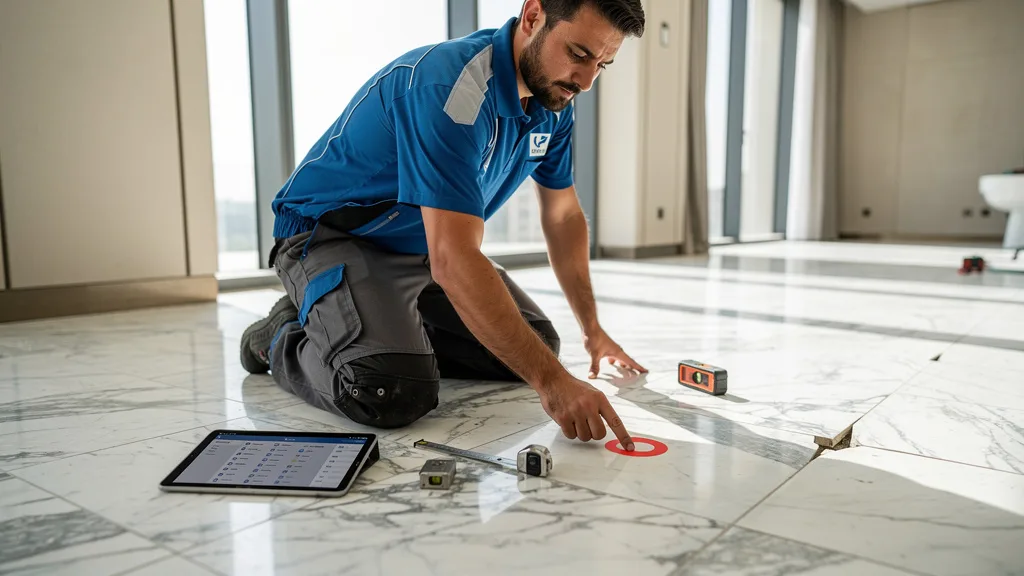
Given Dubai's climate, understanding how often to service your AC is crucial for long-term maintenance, but it must be working perfectly from day one. Any issues found during snagging should be a top priority for the developer to fix.
Common Defects to Identify in New Dubai Properties
While every property is unique, many new builds in Dubai share common types of defects. Being aware of these can help you focus your inspection on the most likely problem areas. These issues often result from rushed work or a lack of attention to detail during the final stages of construction.
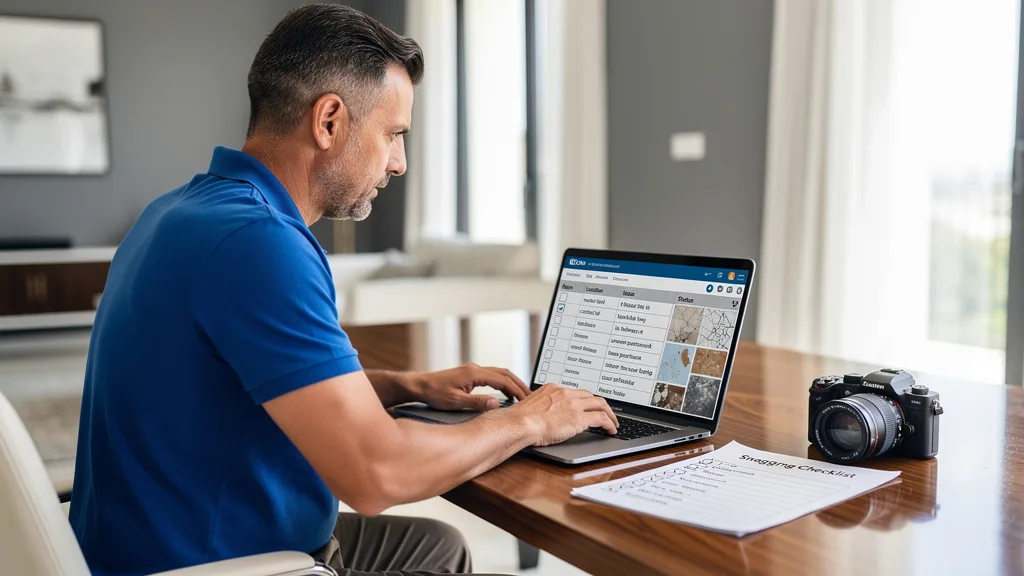
From cosmetic flaws to functional problems, these snags can detract from your enjoyment of the property and may cost you money to fix if not identified before handover. The table below outlines some of the most frequently encountered defects in new villas across communities like Damac Lagoons and Emaar South.
| Category | Common Defects to Look For |
|---|---|
| Finishes | Poor paint application, scratches on floors and windows, cracked or chipped tiles, inconsistent grouting. |
| Joinery | Ill-fitting doors and windows, misaligned kitchen cabinets, faulty locks and handles, damaged wardrobe doors. |
| Plumbing | Leaking pipes under sinks or toilets, low water pressure, blocked drains, poorly sealed baths and showers. |
| Electrical | Non-functional sockets or light switches, incorrectly wired fittings, missing or unlabeled breakers in the DB. |
| HVAC | AC units not cooling effectively, noisy operation, unresponsive thermostats, poor airflow from vents. |
How to Document and Report Snags Effectively
Finding the snags is only half the battle; documenting and reporting them correctly is crucial for getting them fixed. A vague or incomplete report can lead to disputes and delays. Your goal is to create a clear, professional, and undeniable record of every single issue you have identified within the property.
This report will serve as your primary communication tool with the developer. It should be structured, easy to understand, and supported by evidence. A well-prepared report demonstrates that you are a serious and organized buyer, which can often lead to a faster and more cooperative response from the developer's customer service team.
Creating a Detailed Snagging Report
Your snagging report should be organized logically, either room by room or by the type of trade (e.g., plumbing, electrical, painting). For each snag, you should include a unique reference number, a clear description of the problem, and its exact location. For example, instead of writing "scratched floor," write "Living Room: 30cm scratch on the floor tile located 50cm from the balcony door."
Photographic evidence is essential. Take a wide shot to show the location of the snag within the room, and then a close-up shot to show the defect itself. Annotate the photos if necessary, circling the problem area. Compiling this information into a single document (like a PDF) creates a professional report that is easy for the developer to follow and action.
Submitting Your Report to the Developer
Once your report is complete, submit it to the developer through their official channel, which is usually a dedicated customer service email address or an online portal. Do not rely on verbal agreements with site staff. Always create a written record. In your submission email, politely state that you have completed your inspection and are attaching the snagging report for their action.
Request a written acknowledgment of receipt and an estimated timeline for the rectification works. Follow up politely but persistently if you do not receive a response. This formal communication trail is vital if any disputes arise later in the process. Keep copies of all correspondence until every last snag has been resolved to your satisfaction.
DIY vs. Professional Snagging Services: Which to Choose?
A key decision for any new homeowner is whether to conduct the snagging inspection themselves or hire a professional company. A DIY inspection can save money, but it comes with the risk of missing critical, less-obvious defects. Professional snagging services bring expertise and specialized equipment to the table, offering a more thorough and reliable assessment.
Professionals are trained to spot issues an average person might overlook, especially complex MEP problems. They use tools like thermal imaging cameras to detect hidden leaks or insulation gaps, and moisture meters to find dampness inside walls. Their formal report often carries more weight with developers and provides a stronger basis for any potential disputes. While there is a cost, it can be a small price to pay for ensuring the quality of a multi-million dirham investment. For major repairs or ongoing care, an annual maintenance contract can provide long-term peace of mind.
Key Takeaways
Navigating the handover of a new villa in Dubai can be a complex process, but a thorough inspection is your most powerful tool. This is more than just a simple check; it's a critical step to protect your significant financial investment. Using a detailed snagging checklist Dubai property owners can trust is essential for a smooth transition into your new home.
- Act Early: Conduct your snagging inspection after construction is complete but before the final handover and payment.
- Be Methodical: Use a room-by-room checklist to ensure every corner of your villa is inspected systematically.
- Document Everything: Create a detailed report with clear descriptions, locations, and photographic evidence for every snag.
- Know Your Rights: Understand the Defect Liability Period and your rights under your SPA and Dubai property law.
- Consider a Pro: For complex systems like MEP and a truly comprehensive check, hiring a professional snagging service is a wise investment.
Frequently Asked Questions
What is the defect liability period for new properties in Dubai?
In Dubai, the law provides a defect liability period (DLP) for new properties. Developers are legally obligated to repair any structural defects for ten years from the date of the building's completion certificate. For all non-structural or finishing defects, the developer is responsible for repairs for one year from the handover date.
While this provides a safety net, it is always more efficient and less stressful to identify and resolve as many issues as possible during the pre-handover snagging inspection. Relying on the DLP means you will already be living in the property while repairs are being carried out.
How much does a professional snagging service typically cost?
The cost of a professional snagging service in Dubai varies based on the size and type of property. For a villa, prices in 2026 generally range from AED 2,000 to AED 5,000 or more. The final price depends on the total built-up area (BUA) and whether additional services, like thermal imaging for MEP systems, are included.
While this may seem like an added expense, it often pays for itself by identifying costly defects that the developer is then obligated to fix. You can review a consolidated home maintenance pricing guide to compare costs and understand the value offered by professional service providers.
Does the snagging process differ in communities like Damac Lagoons or Emaar South?
The fundamental principles of snagging remain the same regardless of the community, whether it's Damac Lagoons, Emaar South, Tilal Al Ghaf, or The Valley. The goal is always to identify and report defects. However, the specific handover procedures and customer service portals can differ between developers like Emaar, Damac, and Nakheel.
It's important to familiarize yourself with the specific handover protocol provided by your developer. They will outline how to schedule your inspection and where to submit your final snagging report. The quality of construction can also vary, but the checklist provided in this guide is applicable to any new villa in Dubai.
What tools do I need for a DIY snagging inspection?
If you choose to perform a DIY inspection, a basic toolkit can help you identify issues more effectively. Essential tools include a smartphone with a good camera for photos, a notepad and pen, a tape measure, and a spirit level to check surfaces are straight. A socket tester is also invaluable for quickly checking if all electrical outlets are live and wired correctly.
Other useful items include a small mirror and a flashlight for looking into dark corners and under sinks, and a roll of colored stickers to mark the location of each defect. While these tools are helpful, they cannot replace the specialized equipment used by professional inspectors for detecting hidden issues.
What happens if the developer disputes the defects I find?
If a developer disputes the snags you've identified, the first step is to refer back to your detailed report and photographic evidence. Politely but firmly restate your case in writing, referencing the agreed-upon standards in your SPA if possible. Most reputable developers will address valid concerns to maintain their reputation.
If they remain unresponsive or refuse to fix legitimate defects, you can escalate the issue. Your next step would be to file a formal complaint with the Dubai Land Department (DLD) or RERA. Their role is to mediate disputes between buyers and developers, and a well-documented claim will significantly strengthen your position.
Conclusion
Successfully navigating the villa handover process in Dubai hinges on a meticulous and well-documented snagging inspection. This complete guide and checklist for 2026 provides the framework you need to protect your investment and ensure your new home is delivered in the condition you expect. By being prepared and proactive, you can address potential problems before they become your financial responsibility, allowing you to enjoy your new villa with complete peace of mind. After the developer completes the repairs, a final Villa Deep Cleaning in Dubai can make the home truly move-in ready.
Whether you've just completed the snagging process or need expert help with post-handover repairs and maintenance, our certified technicians are here to help. We provide reliable, warrantied services for all your AC, plumbing, and electrical needs to keep your villa in perfect condition.
Ready to ensure your home is perfect? Book a Service Now.
Need certified on-demand property maintenance in Dubai?
Sub-4 hour response SLA • 30-day labor warranty • Upfront pricing from AED 180.