
7 Common Electrical Mistakes in Dubai Homes
Discover the most common electrical mistakes Dubai homeowners make in 2026. Learn to avoid overloaded circuits, DIY risks, and costly repairs with our guide.
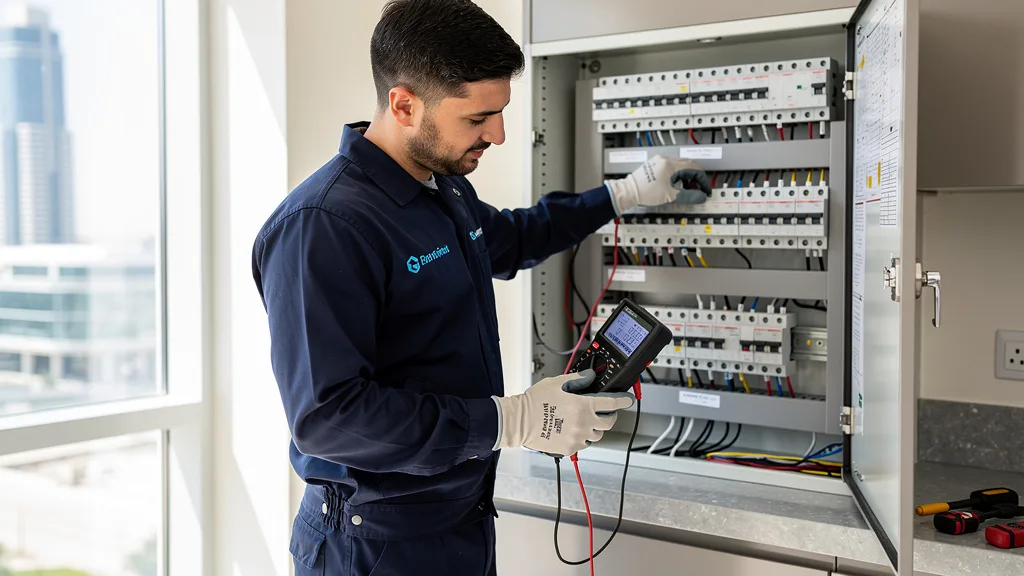
Are you confident your home's electrical system is completely safe? In a city like Dubai, where our reliance on air conditioning and modern appliances is non-negotiable, even a small oversight can lead to significant risks. Understanding the most common electrical mistakes Dubai homeowners make is the first step toward ensuring your family's safety and avoiding expensive, preventable repairs.
The most frequent electrical errors in Dubai residences include overloading circuits with high-power appliances, attempting dangerous DIY electrical work without proper certification, ignoring critical warning signs like flickering lights or tripping breakers, and neglecting regular professional inspections. These missteps not only pose a serious fire hazard but can also lead to premature appliance failure and costly emergency call-outs. Being proactive about electrical safety is essential for any homeowner or tenant in the UAE.
Why Electrical Maintenance Is Crucial in Dubai's Climate
Dubai's unique environment of extreme summer heat, high humidity, and occasional dust storms places an exceptional strain on residential properties, particularly their electrical systems. The year-long high temperatures mean air conditioning systems run almost constantly, leading to a heavy and sustained load on circuits, wires, and breaker panels. This constant demand can expose weaknesses in an electrical system, leading to overheating and potential failures if not properly maintained.
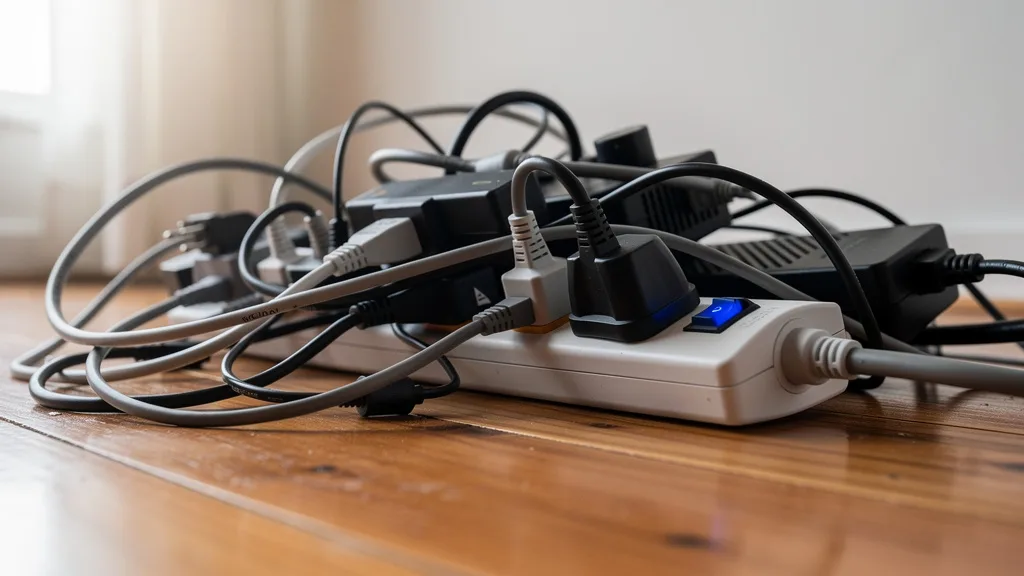
Furthermore, the pervasive humidity can accelerate the corrosion of electrical contacts, connections, and wiring. Over time, this corrosion can lead to poor connections, voltage drops, and arcing, which is a significant fire risk. A small, ignored issue like a loose wire or a corroded terminal can quickly escalate into a big problem, potentially causing power outages or damage that costs thousands of dirhams to fix. Regular maintenance ensures your system can handle the climate's demands safely.
Because of these factors, routine checks by certified professionals are not a luxury but a necessity. A qualified technician can identify issues like heat expansion stressing wires, failing insulation due to dust and heat, and early signs of corrosion before they become critical failures. Proactive maintenance is key to navigating Dubai's challenging climate without compromising on safety or comfort.
7 Common Electrical Mistakes to Avoid in Your Dubai Home
Protecting your home and family from electrical hazards starts with awareness. Many homeowners unknowingly make simple errors that can compromise their electrical system's safety and efficiency. Avoiding these common pitfalls is crucial for preventing emergencies and ensuring your home remains a safe sanctuary. Here are seven of the most frequent mistakes we see in Dubai homes and how you can avoid them.
Overloading Circuits and Power Strips
One of the most pervasive electrical mistakes is plugging too many high-power devices into a single circuit, often through a single power strip or multi-socket adapter. Each circuit in your home is designed to handle a specific maximum load of electricity. When you plug in a television, a sound system, a gaming console, and a lamp into one outlet, you risk exceeding that limit, causing the wires to overheat and creating a serious fire hazard.
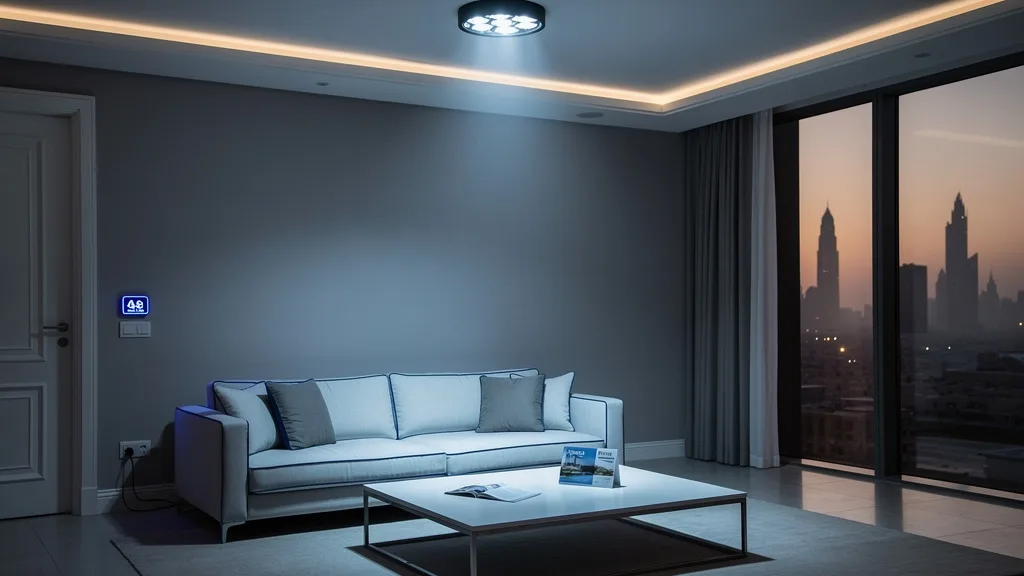
To avoid this, be mindful of what you plug in. High-draw appliances like air fryers, kettles, hair dryers, and irons should ideally be plugged directly into a wall socket and never on the same circuit simultaneously if possible. Use power strips for low-power items like phone chargers and laptops. If you find your breakers are tripping frequently, it's a clear sign a circuit is overloaded, and you need to redistribute your appliances.
Attempting Complex DIY Electrical Work Without Expertise
With countless online tutorials available, the temptation to handle electrical repairs yourself can be strong. However, attempting to fix anything more complex than changing a lightbulb is a dangerous and often illegal mistake. Electrical work in Dubai must be performed by certified and licensed professionals to comply with DEWA regulations and ensure safety. Incorrect wiring can lead to electric shock, short circuits, and fires.
Even a seemingly simple task like installing a new dimmer switch or replacing an outlet can go wrong if you don't have the proper knowledge of wiring, grounding, and load capacity. For any installations, repairs, or modifications, always hire a reputable company with certified electricians. It ensures the job is done safely, correctly, and up to code, protecting your home and your insurance validity. For smaller non-electrical tasks, you can learn more about what's covered in a standard handyman call-out.
Ignoring Flickering Lights or Frequently Tripping Breakers
Flickering or dimming lights are not just a minor annoyance; they are often a symptom of a deeper electrical problem. This issue can indicate a loose connection somewhere in the circuit, an overloaded circuit, or even faulty wiring within the walls. Similarly, a circuit breaker that trips repeatedly is a critical safety warning that should never be ignored. Its job is to shut off power when it detects a dangerous overload or fault.
If you notice lights flickering consistently or a breaker that won't stay reset, do not simply keep flipping it back on. This is a clear signal to call a professional electrician immediately. They can diagnose the root cause, whether it's a faulty appliance, a short circuit, or a problem with the breaker panel itself. Addressing these warning signs promptly can prevent a major electrical failure or fire.
Using Incorrectly Rated Bulbs or Fixtures
Every light fixture has a maximum recommended bulb wattage. Using a bulb with a higher wattage than the fixture is rated for can generate excessive heat. This heat can melt the socket, damage the fixture's wiring, and create a significant fire risk. This mistake, known as overlamping, is easy to make but can have severe consequences.
Always check the sticker on the light fixture for the maximum allowable wattage before installing a new bulb. If you cannot find a label, err on the side of caution and use a lower-wattage bulb, such as a 60-watt or its LED equivalent. Modern LED bulbs produce far less heat and consume less energy, making them a safer and more efficient choice for most fixtures.
Neglecting Regular Professional Electrical Inspections
Just like your car or your air conditioning, your home's electrical system requires regular check-ups to ensure it's functioning safely and efficiently. Many homeowners overlook this crucial aspect of home maintenance, assuming that everything is fine as long as the lights turn on. However, wiring and components can degrade over time due to heat, load, and age, creating hidden dangers.
"Think of a professional electrical inspection as a health check-up for your home. In 2026, with our increasing reliance on technology, proactive maintenance isn't just smart, it's essential for preventing the costly and dangerous consequences of the common electrical mistakes Dubai homeowners make."
A professional inspection can identify issues like outdated wiring, corroded connections, and overloaded panels before they become emergencies. For peace of mind and long-term safety, consider investing in a service package. Understanding if an annual maintenance contract is worth it can help you budget for this essential preventative care and keep your home safe year-round.
Relying on Extension Cords for Permanent Power
Extension cords are designed to be a temporary solution for powering devices located far from an outlet. Using them as a permanent wiring solution is a common and dangerous mistake. Standard extension cords are not built to handle a continuous, long-term electrical load, and their wiring can overheat when used to power appliances for extended periods, posing a significant fire hazard.
If you find yourself relying on an extension cord to power a device permanently, the correct and safe solution is to have a professional electrician install a new outlet in a more convenient location. This eliminates the trip hazard of cords running across floors and, more importantly, removes the risk of an electrical fire caused by an overworked, deteriorating extension cord.
Failing to Install GFCI Outlets in Wet Areas
A Ground Fault Circuit Interrupter (GFCI) is a special type of outlet that quickly shuts off power if it detects an imbalance in the electrical current, such as when electricity comes into contact with water. This rapid shutdown can prevent a severe or fatal electric shock. In Dubai, regulations require GFCI outlets to be installed in all 'wet' areas, including bathrooms, kitchens, laundry rooms, garages, and any outdoor areas.
Many older homes may not have these protective outlets, or homeowners might replace them with standard outlets without realizing the danger. Check all the outlets near sinks, washing machines, and outdoor spaces. If they don't have the 'TEST' and 'RESET' buttons characteristic of a GFCI, you should have them upgraded by a qualified electrician immediately. This is especially critical for areas near pools, as highlighted in any comprehensive swimming pool maintenance guide.
Warning Signs of Faulty Electrical Wiring in Your Home
Your home's electrical system will often give you warning signs when something is wrong. Being able to recognize these signals is crucial for preventing a potential disaster. If you notice any of the following issues, it's time to stop using the affected circuit and call a professional electrician for an inspection. Ignoring these signs can lead to property damage, injury, or worse.
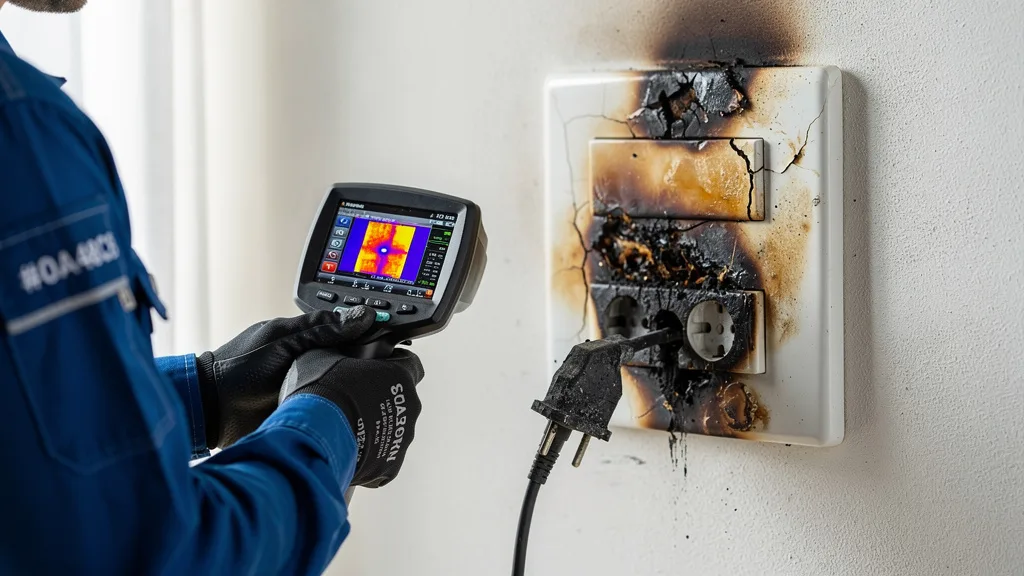
Pay close attention to your senses, as they are your first line of defense. A persistent burning smell with no identifiable source often points to burning insulation on wires. Likewise, buzzing or sizzling sounds from outlets or switches indicate an arcing problem. Never dismiss these signs as insignificant.
- Frequent Circuit Breaker Trips: A breaker that trips regularly is a sign that the circuit is overloaded or has a short.
- Flickering or Dimming Lights: This can indicate a loose connection or an overloaded circuit.
- Unusual Sounds: Buzzing, sizzling, or crackling noises from outlets, switches, or the breaker panel are serious red flags.
- Burning Odors: A persistent electrical or plastic burning smell, especially near outlets or the breaker box, requires immediate attention.
- Discolored or Warm Outlets: Wall plates that are warm to the touch or show scorch marks or discoloration are signs of dangerous overheating.
- Mild Shocks or Tingles: Receiving even a small shock when touching an appliance or light switch points to a grounding fault.
The Potential Cost of Electrical Negligence
Ignoring small electrical issues or attempting improper DIY fixes can lead to exponentially higher costs down the line. What might start as a simple, affordable repair can quickly escalate into a major expense involving extensive rewiring, appliance replacement, or even fire damage restoration. Proactive maintenance and professional repairs are always more cost-effective than dealing with an emergency.
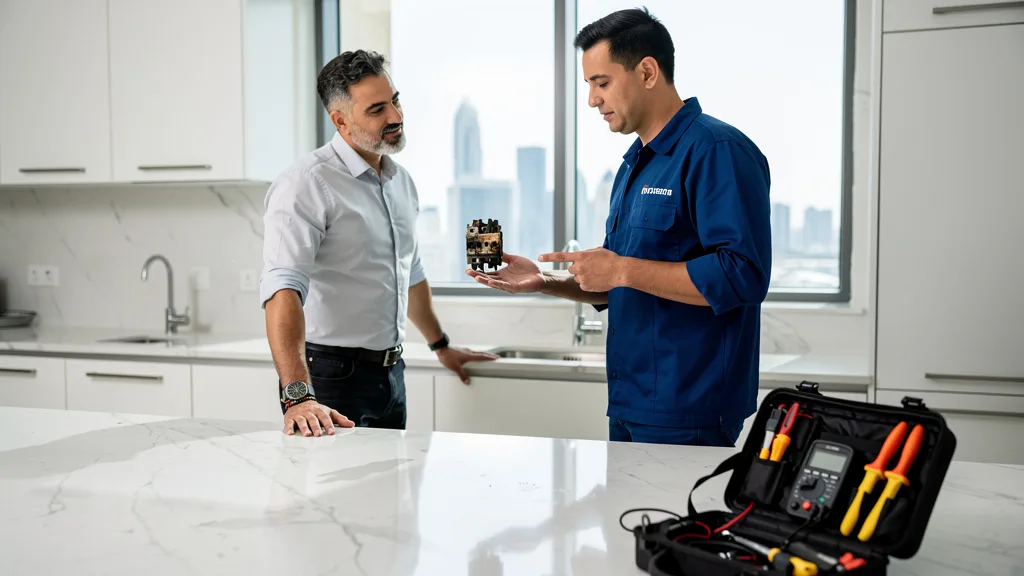
Consider the financial difference between proactive care and reactive repairs. A small investment in a professional inspection or a minor repair can save you thousands of dirhams and provide invaluable peace of mind. The following table illustrates how the cost of neglecting a small issue can skyrocket. For a detailed breakdown of service costs, you can review a consolidated home maintenance pricing guide.
| Electrical Issue | Proactive Repair Cost (Approx. AED) | Cost After Negligence (Approx. AED) | Potential Consequence of Negligence |
|---|---|---|---|
| Faulty Outlet | 180 - 300 | 1,500 - 5,000+ | Outlet fire, damage to appliance, partial rewiring |
| Constantly Tripping Breaker | 250 - 500 | 3,000 - 10,000+ | Breaker panel failure, extensive circuit rewiring |
| Flickering Lights (Loose Wire) | 200 - 400 | 5,000 - 20,000+ | Electrical fire within wall, smoke damage |
| No GFCI in Bathroom | 200 - 350 | Incalculable | Severe electric shock, potential fatality |
How to Avoid Costly Home Maintenance and Electrical Repairs
Avoiding expensive and stressful electrical repairs comes down to a simple, proactive approach. The first step is to familiarize yourself with your home's electrical system. Know where your breaker panel is and which breakers control which areas of your home. Labeling your panel clearly can save critical time in an emergency and help you identify overloaded circuits.
Next, perform regular visual inspections yourself. Once a month, walk through your home and look for the warning signs mentioned earlier: discolored outlets, frayed cords, and flickering lights. Test your GFCI outlets monthly by pressing the 'TEST' button to ensure they trip correctly, then press 'RESET'. This simple habit takes only a few minutes but can be life-saving. Understanding the key differences in upkeep, especially in a larger home, is also important, as outlined in our guide to villa vs. apartment maintenance.
Finally, the most effective way to avoid costly repairs is to partner with a trusted property maintenance company for annual inspections. A professional can spot underlying issues that are invisible to the untrained eye, ensuring your system remains safe, efficient, and compliant with all local regulations. This preventative strategy is the best investment you can make in your home's long-term health and safety.
When You Should Always Call a Professional Electrician
While you can take many steps to maintain your electrical system, certain situations always demand the expertise of a certified professional. Attempting to resolve these issues yourself is not only dangerous but can also make the problem worse. For your safety and the integrity of your home, you should always call an electrician if you encounter any of the following scenarios.
Think of it like a medical emergency; some symptoms require immediate expert attention. A burning smell or a breaker that won't reset is the electrical equivalent of a serious health crisis. Just as you would call for an emergency plumber for a major leak, these electrical signs require an urgent professional response.
- Anytime you smell burning: If you detect an electrical burning odor, immediately shut off the main power at your breaker panel if it is safe to do so and call an electrician.
- If a circuit breaker won't reset: If a breaker trips and will not turn back on after you've unplugged devices on that circuit, there is a persistent fault that needs diagnosis.
- When installing new outlets, switches, or fixtures: Any new installation requires knowledge of wiring, load calculation, and local codes.
- After any water damage: If your home has experienced a leak or flood near electrical components, they must be professionally inspected before use.
- For any buzzing or sizzling sounds: These noises indicate arcing, which is an immediate fire hazard.
- If you receive a shock: Even a mild tingle from an appliance or switch is a sign of a dangerous grounding problem.
Key Takeaways
Ensuring the electrical safety of your Dubai home is a critical responsibility. By understanding and avoiding common mistakes, you can protect your property, your family, and your finances. Here are the most important points to remember from this guide.
- Don't Overload Circuits: Be mindful of how many appliances are running on a single circuit, especially high-power ones. Use power strips sparingly and for low-draw devices.
- Heed the Warning Signs: Never ignore flickering lights, frequently tripping breakers, buzzing sounds, or burning smells. These are your home's way of signaling a problem.
- Leave Repairs to the Pros: For anything beyond changing a lightbulb, always hire a certified electrician. DIY electrical work is dangerous and often violates local regulations.
- Prioritize Regular Inspections: An annual electrical inspection is the best way to catch problems early and ensure your system can handle Dubai's climate.
- Use GFCIs in Wet Areas: Ensure all outlets in kitchens, bathrooms, and outdoor areas are GFCI-protected to prevent electric shock. Test them monthly.
- Replace Extension Cords with Outlets: Do not use extension cords as a permanent power source. Have a professional install a new outlet for a safe, long-term solution.
Frequently Asked Questions
What are the most common electrical problems found in Dubai homes?
The most common electrical problems in Dubai homes are often related to the climate and high power usage. These include overloaded circuits from heavy air conditioning use, faulty or aging wiring that has degraded due to heat and humidity, and frequent circuit breaker trips. We also commonly find improperly installed fixtures and a lack of GFCI outlets in older properties.
Another frequent issue is damage to outdoor wiring and components from exposure to sun, dust, and moisture. Regular inspections can help identify and rectify these common faults before they escalate into more serious hazards, ensuring the system remains robust and safe for residential use.
What are the key electrical regulations for residential properties in Dubai?
In Dubai, all electrical work is regulated by the Dubai Electricity and Water Authority (DEWA). Key regulations stipulate that all electrical installations and significant repairs must be carried out by a DEWA-certified electrician or technical company. This ensures that the work meets strict safety standards. For more information, you can consult official resources like the DEWA service guidelines.
Regulations also mandate the use of specific safety devices, such as GFCI outlets in all wet areas and appropriate circuit breakers for each circuit's load. All wiring and components must meet approved standards to withstand local environmental conditions. Failure to comply can result in safety hazards and may void your property insurance.
How often should a home's electrical system be professionally inspected?
For a newer home (less than 10 years old), a professional electrical inspection is recommended every 3 to 5 years. For older properties, or if you have a high dependency on electrical appliances and systems like extensive smart home technology or multiple AC units, an annual inspection is a wise investment. This is especially true in Dubai's demanding climate.
If you are moving into a new property, whether renting or buying, it is highly advisable to have a full electrical inspection performed before you move in. This establishes a safety baseline and identifies any pre-existing issues that need to be addressed by the landlord or previous owner.
Can I perform minor electrical repairs myself in Dubai?
While it may be tempting to handle seemingly minor tasks like replacing a switch or an outlet, it is strongly advised against it. According to DEWA regulations, virtually all electrical work should be performed by a certified professional. This is to ensure the repair is done safely, using the correct components and techniques.
An incorrect repair, even a minor one, can create a hidden fire hazard or risk of electric shock. It can also lead to liability issues or void your home insurance policy in the event of an incident. For safety and compliance, always entrust electrical work to a qualified and licensed technician.
What is the difference between a circuit breaker and a fuse?
Both circuit breakers and fuses are safety devices designed to interrupt the flow of electricity during an overload or short circuit. The main difference is that a circuit breaker is a switch that 'trips' and can be manually reset after the fault is corrected. Most modern homes are equipped with a panel of circuit breakers.
A fuse, on the other hand, contains a thin piece of wire that melts and breaks the circuit permanently when it overloads. Once a fuse blows, it must be replaced with a new one. Fuses are typically found in older homes and some appliances. Circuit breakers are considered safer and more convenient.
Conclusion
Avoiding the common electrical mistakes Dubai homeowners make is fundamental to maintaining a safe and secure home. As we've explored, issues like overloading circuits, ignoring warning signs such as flickering lights, and attempting risky DIY repairs can have serious consequences, ranging from costly damages to life-threatening hazards. The unique environmental pressures of Dubai's climate only amplify these risks, making proactive care an absolute necessity.
The most crucial takeaways are to be observant, be cautious, and be proactive. Regularly inspect your outlets and cords, never dismiss a tripping breaker as a minor nuisance, and understand the limits of your home's circuits. Most importantly, recognize that professional expertise is not a luxury but an essential component of responsible homeownership. Investing in regular professional inspections is the single most effective step you can take to prevent electrical emergencies.
Don't wait for a warning sign to become a disaster. If you have any concerns about your home's electrical system or if it's been several years since your last professional inspection, now is the time to act. Our team of certified and experienced electricians is ready to provide you with a thorough inspection and complete peace of mind. Ensure your home is safe for you and your family. Book a Service Now.
Need certified on-demand property maintenance in Dubai?
Sub-4 hour response SLA • 30-day labor warranty • Upfront pricing from AED 180.